
In the intricate dance of agriculture and industry, few stories are as compelling as that of rice—one of the world’s most vital staples. Each grain carries with it not just the legacy of farmlands but also the promise of nourishment for billions. Yet, behind the serene landscapes of golden rice paddies lies a bustling realm dedicated to transformation: the rice processing plants. Here, skilled hands and advanced technology converge to refine raw rice into the diverse variety of products that grace our tables, from fluffy white rice to delicate rice noodles. This article invites you to step inside this often-overlooked world, where the alchemy of grain processing unfolds, revealing the intricate methods, innovations, and challenges faced by those dedicated to delivering this fundamental foodstuff from field to fork. Join us as we explore the fascinating journey of rice, where tradition meets modernity in the quest for quality and sustainability.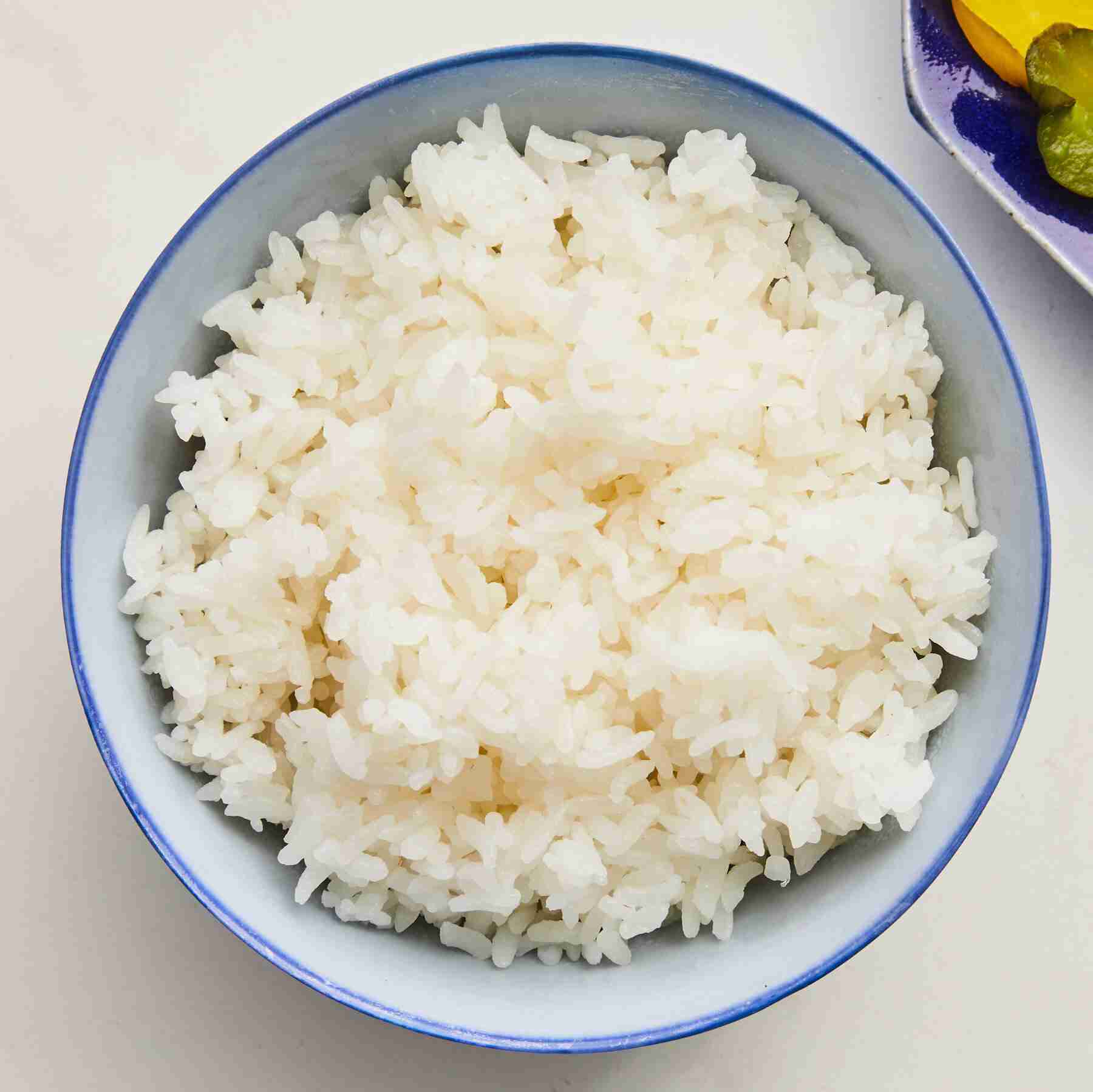
Exploring the Journey from Field to Fork: The Rice Processing Process
The journey of rice from the swaying fields to our dining tables is a fascinating blend of nature’s bounty and human ingenuity. Once the rice is harvested, it embarks on a transformative journey through processing plants where it undergoes various stages of refinement. The initial step involves dehusking, where the outer shell, or husk, is removed to reveal the precious grains within. This is followed by milling, which polishes the rice and removes any remaining bran layers. An assortment of modern machines ensures that every grain is carefully processed, while maintaining its nutritional integrity. In rice processing plants, the use of technology not only increases efficiency but also enhances the quality of the final product.
Following the milling phase, rice undergoes grading where it is sorted based on size, shape, and quality. The highest-grade rice is often exported or sold at premium prices, while other grades are directed towards various markets, ensuring that each grain meets consumer needs. the processed rice is packaged and prepared for distribution, with attention to the presentation that appeals to different markets. This process is critical in aligning quality with consumer expectations, allowing for sustainable business practices and contributing to the global rice supply.
| Stage | Description |
|---|---|
| Dehusking | Removal of the outer husk to access the rice grain. |
| Milling | Polishing of rice and removal of bran layers. |
| Grading | Sorting rice based on size, shape, and quality. |
| Packaging | Preparation of rice for distribution to consumers. |
Innovative Technologies Shaping Efficiency in Rice Processing Plants
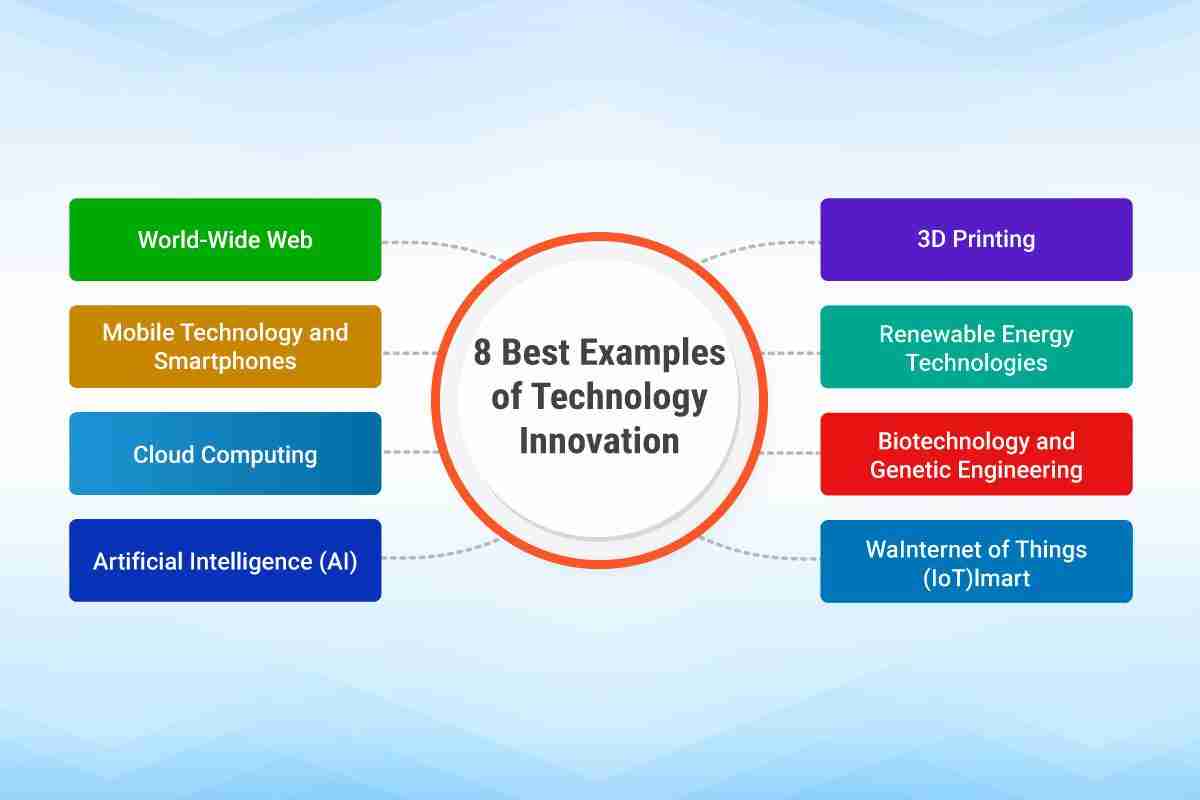
In the evolving landscape of rice processing, innovative technologies are at the forefront, driving significant improvements in operational efficiency. One of the most notable advancements is the integration of automation within processing units, allowing for real-time monitoring and control of machinery. This not only boosts productivity but also minimizes wastage and ensures consistency in the quality of rice. Processing plants are increasingly utilizing IoT (Internet of Things) devices that facilitate data collection from various processes—from milling to packaging—thereby enabling managers to make informed decisions based on real-time analytics.
Moreover, artificial intelligence (AI) plays a crucial role in optimizing operations by analyzing large datasets to predict maintenance needs and improve yield. With the ability to detect anomalies and adjust parameters accordingly, AI-driven systems help in reducing manual oversight. Other notable technologies enhancing efficiency include:
- High-efficiency milling machines that reduce energy consumption and processing time.
- Advanced sorting mechanisms utilizing optical sensors to ensure uniform quality.
- Automated packaging systems that speed up distribution while ensuring hygiene standards.
Quality Control Measures: Ensuring Superior Grain Standards
In the meticulous realm of rice processing, the assurance of quality is paramount. Each grain that undergoes processing is subject to a stringent series of quality control evaluations designed to uphold superior standards. Facilities employ advanced technologies to monitor various parameters throughout the processing stages, ensuring that each step aligns with rigorous specifications. Among the essential control measures are:
- Visual Inspections: Expert technicians assess grains visually for defects and inconsistencies.
- Moisture Testing: Accurate moisture content is measured to prevent spoilage and enhance storage longevity.
- Foreign Material Detection: Systems equipped with sensors identify and remove any non-grain materials.
- Sample Analysis: Random samples are diligently tested in laboratory settings for batch quality verification.
Furthermore, rice processing plants implement a robust traceability system to ensure that every batch of grain can be tracked from farmer to consumer. This comprehensive framework not only fosters transparency but also enhances accountability at every processing tier. The impact of these measures can be illustrated as follows:
| Quality Control Measure | Impact on Grain Quality |
|---|---|
| Visual Inspections | Identifies defects early, minimizing waste. |
| Moisture Testing | Ensures optimal storage conditions, reducing spoilage. |
| Foreign Material Detection | Protects consumer health by ensuring purity. |
| Sample Analysis | Confirms quality consistency across production batches. |
Sustainability Practices in Rice Processing: A Path to Eco-Friendly Production
In the pursuit of eco-friendly production, rice processing plants are increasingly adopting innovative practices that prioritize sustainability and minimize environmental impact. Among the most effective strategies are:
- Water Management: Utilizing advanced irrigation techniques and recycling wastewater to reduce water consumption.
- Energy Efficiency: Implementing energy-efficient machinery and harnessing renewable energy sources, such as solar or biomass, to power operations.
- Waste Reduction: Converting by-products like husks and bran into biofuel or organic fertilizers, thereby closing the waste loop.
- Organic Certification: Transitioning to organic practices, which not only enhance sustainability but also appeal to health-conscious consumers.
These practices not only contribute to environmental conservation but also enhance the quality of rice produced. By integrating technology with sustainable practices, rice processors can maintain competitive advantages in a market increasingly leaning towards ecological responsibility. Below is a comparison table highlighting the benefits of adopting sustainable practices in rice processing:
| Sustainable Practice | Benefits |
|---|---|
| Water Management | Reduces overall consumption and lowers costs. |
| Energy Efficiency | Decreases carbon footprint and operational expenses. |
| Waste Reduction | Generates additional revenue streams and lessens landfill use. |
| Organic Certification | Increases marketability and consumer trust. |
The Way Forward
As we conclude our journey through the intricate world of rice processing plants, it becomes evident that the transformation of grain is not merely a mechanical endeavor but an art form steeped in tradition and innovation. From the golden fields where rice is harvested to the bustling facilities where it is meticulously processed, each step reflects the delicate balance between nature and technology.
These processing plants stand as vital hubs in our food supply chain, where hard work and precision converge to bring nourishment from farm to table. The next time you savor a bowl of rice, take a moment to appreciate the unseen craftsmanship behind it—a process shaped by generations of knowledge, fueled by passion, and sustained by an ever-evolving industry.
In this realm, where every grain matters, we celebrate not just the end product but the people, practices, and principles that make it possible. As rice continues to be the cornerstone of countless diets around the globe, may we honor the journey it takes—transforming a simple grain into a cherished staple that unites cultures and enriches lives.




