
In the heart of agriculture, few staples hold as much significance as rice, a crop that feeds more than half of the world’s population. Yet, while the cultivation of this vital grain often garners attention, the technology and processes that transform raw rice into the polished grains we rely on for nourishment are equally crucial. Over the years, innovations in rice processing equipment have emerged, revolutionizing not only how we handle and prepare this essential ingredient but also impacting the efficiency, quality, and sustainability of rice production. This article delves into the latest advancements in rice processing technology, exploring how these innovations are reshaping the landscape of grain transformation, streamlining operations, and ultimately enhancing food security for generations to come. Join us as we navigate the evolving world of rice processing equipment—where tradition meets technology and vision paves the way for a more sustainable future.
Emerging Technologies in Rice Milling: Enhancing Efficiency and Quality
Advancements in rice milling technology are reshaping the industry, significantly improving both the efficiency of processing and the quality of the final product. One of the most noteworthy innovations is the introduction of smart milling systems, which integrate IoT sensors and machine learning algorithms to monitor and optimize every stage of milling. This technology allows mill operators to assess grain quality in real-time, adjust milling parameters, and minimize waste, all while ensuring the rice is processed to perfection. Additionally, the use of eco-friendly machines designed with energy-saving features contributes to lower operating costs and a reduced carbon footprint, making sustainable practices more attainable for rice producers worldwide.
Furthermore, the incorporation of automated sorting and grading systems is elevating the quality control standards in rice milling. These systems utilize advanced imaging and AI technology to detect impurities and classify grains based on size, color, and quality with unparalleled precision. As a result, millers can deliver a more uniform product to consumers, enhance marketability, and maximize profits. The integration of these technologies leads to improved yield quality and processing efficiency, reducing the time from harvest to market. Below is a concise overview of some innovative technologies transforming rice milling:
| Technology | Benefits |
|---|---|
| Smart Milling Systems | Real-time monitoring, optimized parameters, waste reduction |
| Eco-Friendly Machines | Energy savings, lower operating costs, reduced carbon footprint |
| Automated Sorting and Grading | Enhanced quality control, improved yield quality, increased marketability |

Sustainable Practices in Rice Processing: Innovations for Environmental Stewardship
In recent years, the rice processing industry has seen a surge in innovative technologies designed to minimize environmental impacts while enhancing efficiency. Modern equipment now incorporates energy-efficient systems and waste reduction techniques that align with the principles of sustainability. These advancements not only reduce the carbon footprint of rice production but also promote the responsible use of water resources and decrease the volume of waste generated during processing. Notably, some of the latest machinery utilizes solar power and biomass energy, turning agricultural by-products into a renewable energy source that fuels operations.
Furthermore, innovations in machinery design are enabling processors to adopt a circular economy approach, where waste products are reintegrated into the production cycle. This includes the use of advanced dehuskers and polishers that optimize yield and minimize grain loss. Additionally, companies are exploring smart technologies such as IoT sensors and AI-driven analytics to monitor equipment performance and identify areas for improvement in real-time. By implementing these technologies, rice processors can achieve significant cost savings, decrease resource consumption, and contribute positively to their surrounding ecosystems.
Automation and Smart Solutions: The Future of Grain Processing Equipment
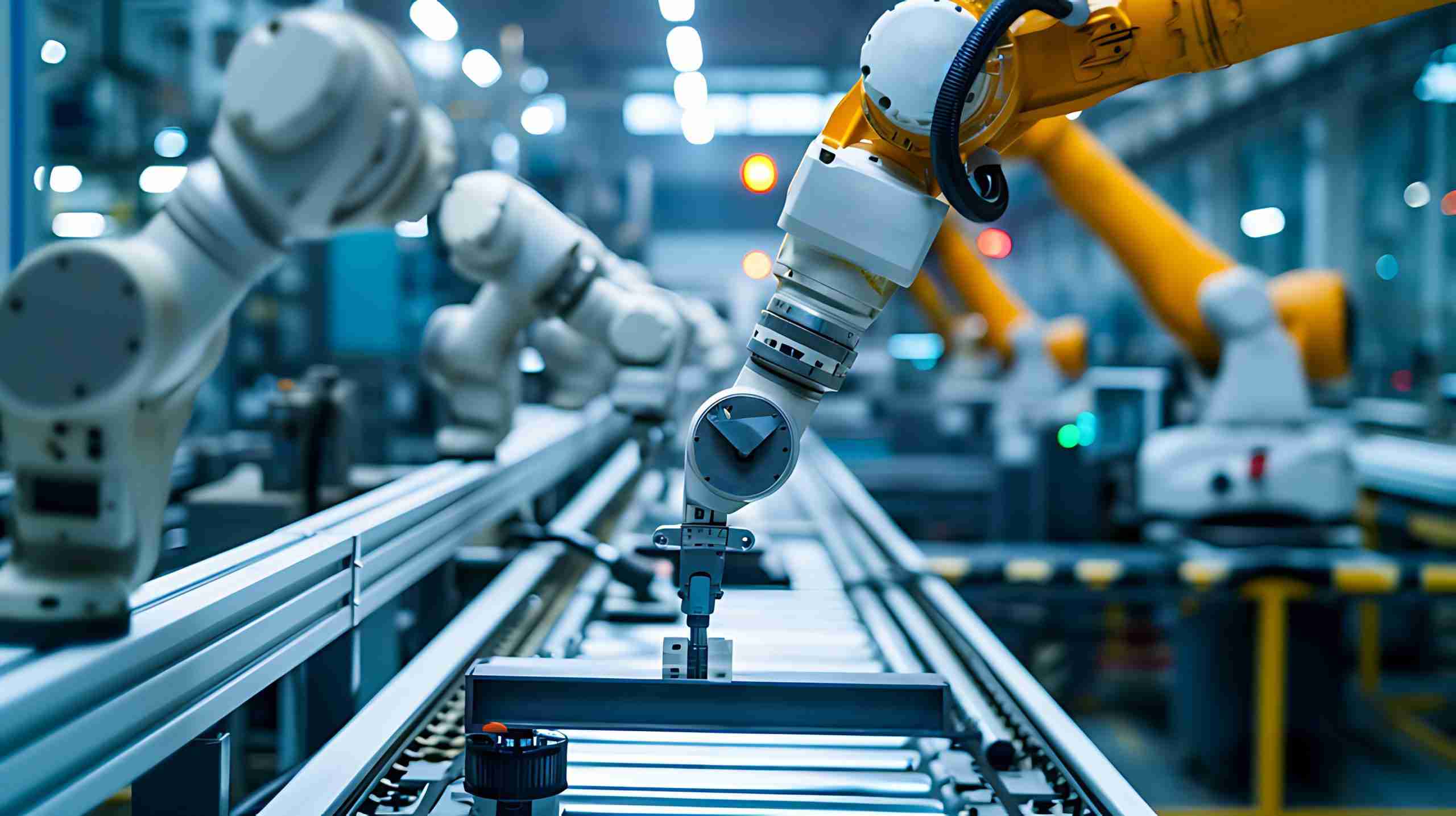
The evolution of grain processing equipment is now steering towards unparalleled levels of efficiency, largely driven by automation and smart technologies. These advancements not only streamline operations but also enhance product quality and sustainability. With the integration of smart sensors, processors can monitor environmental conditions in real-time, adjusting parameters such as moisture levels and temperature to optimize the drying and storage processes. The following features highlight how automation is revolutionizing rice processing:
- Automated Sorting Systems: Using AI-driven cameras, impurities and defective grains are identified and removed, ensuring only the highest quality rice reaches the market.
- Data Analytics: Predictive analytics inform farmers and processors about ideal harvest times and yield predictions, maximizing operational efficiency.
- Remote Monitoring: Operators can oversee multiple processing facilities from a single location, allowing for agile responses to equipment performance and production demands.
Additionally, the future of grain processing is complementing automation with modular machinery that adapts to various production scales. By implementing IoT-connected devices, stakeholders can collect comprehensive data that informs system adaptations and enhances user interaction. The versatility of these smart solutions allows for customizable setups tailored to specific needs. Some advantages of this trend include:
| Advantage | Description |
|---|---|
| Resource Efficiency | Minimizes waste and reduces energy consumption through precise control mechanisms. |
| Training & Usability | Simplified interfaces and training modules accelerate employee onboarding and reduce operational errors. |
| Scalability | Facilitates upgrades and expansion, accommodating growing business demands without extensive reinvestment. |
Choosing the Right Equipment: A Comprehensive Guide for Rice Producers
When it comes to rice production, selecting the correct processing equipment is crucial to ensure efficiency and quality. The diverse range of rice varieties calls for a variety of machinery tailored to specific processing needs. Key factors to consider when choosing your equipment include:
- Production Capacity: Match equipment size to the scale of your operation.
- Technology Integration: Opt for machines that incorporate the latest innovations to maximize output without compromising quality.
- Durability: Select robust machinery to withstand the rigors of rice processing.
- Energy Efficiency: Look for energy-saving options to reduce operating costs.
Investing in advanced processing equipment can significantly transform the grain quality and overall yield. Consider automated milling systems that allow for precision and consistency, reducing waste and enhancing end-product quality. Additionally, upgrading older models to modernized ones could yield improved performance and maintenance ease. Below is a table summarizing some of the essential equipment types along with their primary functions:
| Equipment Type | Primary Function |
|---|---|
| Milling Machine | Removes husk and bran layers. |
| Parboiling Unit | Improves grain quality and reduces breakage. |
| Sorting Machine | Separates grains based on size and weight. |
| Packaging Machine | Automates the packing of finished products. |
The Conclusion
As we conclude our exploration of innovations in rice processing equipment, it becomes clear that the journey of transforming grain extends beyond mere technology. It is a symphony of tradition and modernity, harmonizing age-old practices with cutting-edge advancements. Each new machine, every ingenious improvement, contributes to a larger narrative—the quest for efficiency, sustainability, and quality in rice production. These innovations not only promise to enhance yield and reduce waste but also hold the potential to uplift communities reliant on this staple crop.
As we look to the future, the industry stands at a pivotal juncture. Embracing these advancements offers the chance to redefine agricultural practices and meet the growing global demand for rice in a responsible manner. It is a call to action for producers, engineers, and researchers alike to collaborate and innovate, ensuring that the legacy of rice transcends generations.
In a world where food security is paramount, the continuous evolution of rice processing equipment is a reminder that progress is possible when we blend ingenuity with purpose. Let us remain attentive to these developments, for they not only shape the way we process rice but also weave a sustainable path for future generations—one grain at a time.




