
The gentle hum of machinery fills the air as we step inside the modern processing plant that fuels the world’s voracious appetite for rice. Here, amidst the whir of technology and the scent of freshly milled grains, we uncover the intricate dance of science and tradition that transforms humble rice grains into a global staple. Join us on a journey through the world of rice, where innovation meets tradition in a symphony of flavor and function. Welcome to the heart of the rice industry.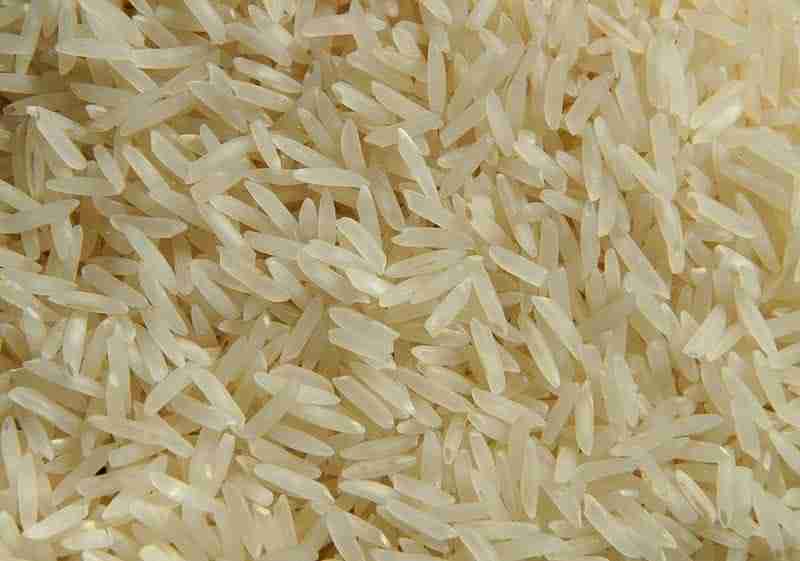
Exploring the Rice Processing Journey
Rice processing plants are marvels of modern technology, where each grain of rice undergoes a meticulous journey from field to table. Inside these bustling facilities, state-of-the-art machinery hums with efficiency, working tirelessly to clean, hull, mill, and package the precious grains that sustain many cultures around the world.
As you step inside a rice processing plant, you are greeted with a symphony of sounds and sights – from the gentle whirring of cleaning machines to the rhythmic churning of milling equipment. Each step of the process is carefully monitored by skilled technicians to ensure the highest quality end product. From removing impurities to polishing the grains to perfection, every detail is meticulously attended to in the fascinating world of rice processing.

State-of-the-Art Technologies in Rice Milling
In a modern rice processing plant, state-of-the-art technologies have revolutionized the way rice is milled and processed. These cutting-edge innovations ensure efficiency, quality, and sustainability in every step of the rice production process.
One of the key technologies used in modern rice milling is the use of high-tech cleaning machines that remove impurities such as stones, dust, and other foreign particles from the rice grains. This advanced cleaning process ensures that only the highest quality grains are used for milling, resulting in premium quality rice products for consumers.
- Automated sorting systems: Utilizing advanced optical sensors and sorting algorithms, these systems can accurately segregate rice grains based on size, color, and quality.
- Computer-controlled milling machines: These machines are equipped with precision tools and sensors to ensure consistent milling results and minimal wastage.
- Energy-efficient drying technologies: Utilizing solar power and heat recovery systems, modern rice processing plants reduce energy consumption and minimize their environmental impact.
| Technology | Benefits |
|---|---|
| High-tech cleaning machines | Ensure removal of impurities for premium quality rice. |
| Automated sorting systems | Accurate segregation of rice grains for quality control. |

Efficient Quality Control Measures in a Rice Processing Plant
Quality control measures in a rice processing plant play a crucial role in ensuring the consistency and safety of the final product. One of the key aspects of efficient quality control is rigorous testing at each stage of the processing line. From receiving the raw rice grains to packaging the final product, every step is carefully monitored to maintain high standards.
Key quality control measures include:
- Physical inspection: Visual checks for any foreign matter or damaged grains.
- Moisture content testing: Ensuring the rice grains are at the optimal moisture level.
- Sorting and grading: Separating the grains based on size, color, and quality.
| Stage | QC Measure |
|---|---|
| Receiving | Physical inspection of raw rice grains |
| Processing | Moisture content testing |
| Packaging | Sorting and grading of final product |
Maximizing Sustainability in Rice Processing Operations
Rice processing operations are crucial for ensuring the global supply of this staple food. Inside a modern processing plant, sustainability is key to maximizing efficiency and reducing environmental impact. By implementing innovative practices and technologies, rice processors can minimize waste and energy consumption while still producing high-quality products.
One way to enhance sustainability in rice processing operations is by utilizing renewable energy sources such as solar power or biogas. Implementing water recycling systems can also help reduce water usage and minimize environmental pollution. Additionally, investing in equipment upgrades and automation can improve productivity and reduce carbon emissions. By prioritizing sustainability, rice processors can contribute to a more environmentally friendly food production industry for the future.
Wrapping Up
As we conclude our journey through the world of rice processing, we have gained a deeper understanding of the intricacies involved in transforming raw grains into the staple food that nourishes millions around the globe. From the soaking and steaming of the grains to the milling and polishing process, each step in the modern processing plant plays a crucial role in delivering high-quality rice to consumers.
The symphony of machinery and human expertise working in harmony within these facilities is a testament to the dedication of the industry in meeting the ever-growing demands of our interconnected world. As we bid adieu to the bustling processing plant, let us carry with us a newfound appreciation for the humble grain that sustains us all.
May the next time you enjoy a plate of steaming rice, you remember the intricate dance it underwent in the modern processing plant before reaching your table. Here’s to the world of rice, where innovation and tradition meet to nourish and unite us all.




