
Rice, a staple food for billions of people worldwide, has been a crucial element in countless culinary traditions for centuries. The process of turning raw rice into the polished grains we see on our plates involves a meticulous blend of technology and tradition. In this article, we delve into the fascinating world of rice processing machinery and the intricate art of automating the age-old practice of rice cultivation. Join us as we explore the intricate mechanisms that shape the grains that fuel our bodies and culture.
Exploring the Evolution of Rice Processing Machinery
Over the years, the evolution of rice processing machinery has revolutionized the way rice is harvested, processed, and packaged. From traditional hand-operated tools to modern automated machines, the art of automating rice has transformed the rice industry. These advancements have not only increased efficiency and productivity but also improved the quality of rice products.
One of the key innovations in rice processing machinery is the use of advanced technologies such as sensors, robotics, and AI. These technologies ensure precise and consistent processing, resulting in higher yields and better quality rice. Additionally, the integration of digital systems allows for real-time monitoring and control of the entire processing workflow, optimizing performance and reducing waste. With continuous developments in automation and machinery design, the future of rice processing looks promising, with even more efficient and sustainable solutions on the horizon.
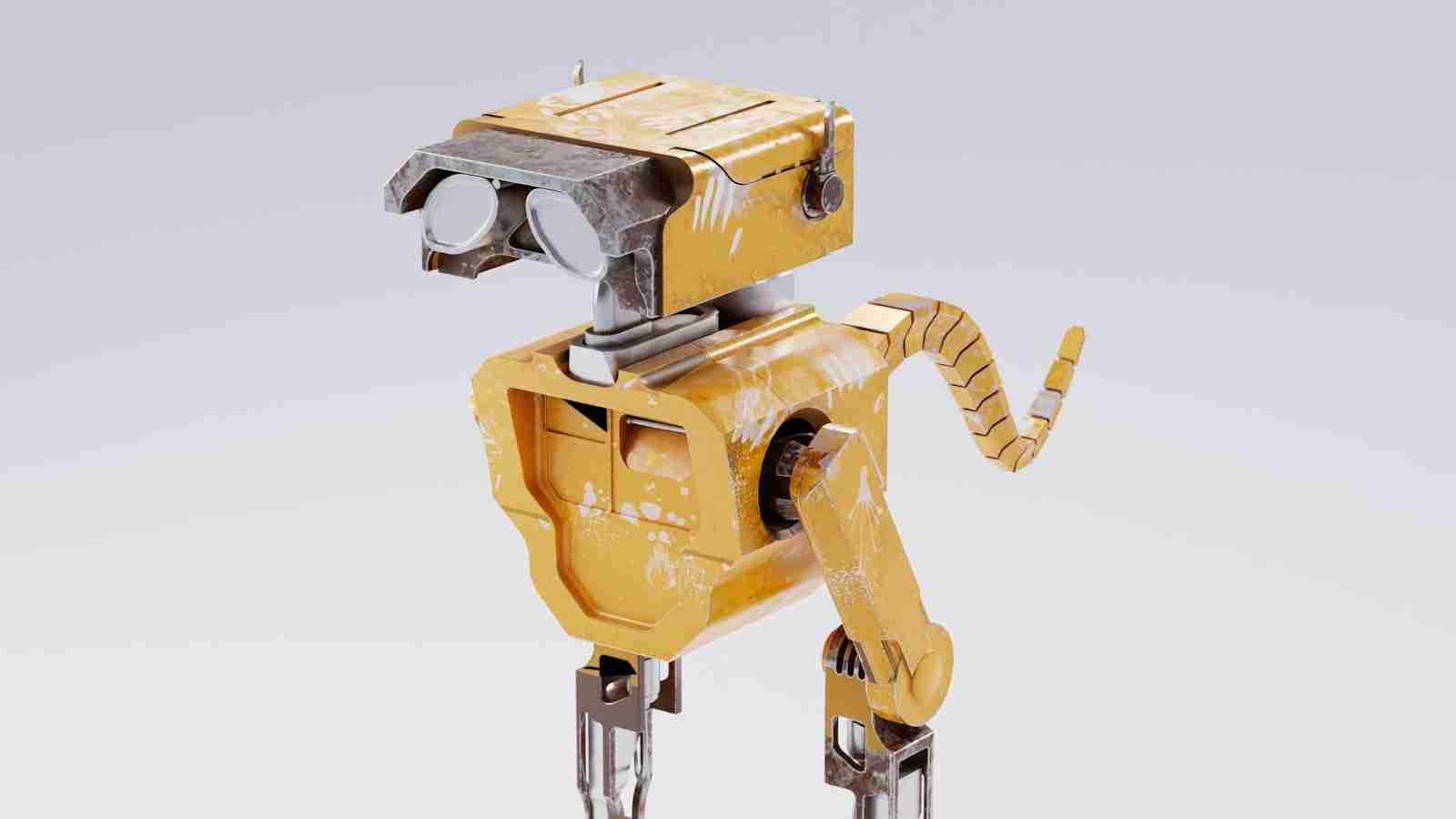
Optimizing Efficiency: Advantages of Automated Rice Processing
Automated rice processing machinery offers a multitude of advantages for rice producers looking to optimize their efficiency and increase productivity. One of the main benefits of utilizing automated equipment is the significant reduction in labor costs. By automating tasks such as cleaning, husking, milling, and packaging, rice producers can streamline their operations and eliminate the need for manual labor, saving time and money in the process.
Furthermore, automated rice processing machinery ensures a higher level of consistency and quality control throughout the production process. With precise settings and automated processes, the risk of human error is greatly reduced, leading to a more uniform and higher-quality final product. This not only helps enhance the overall product quality but also improves customer satisfaction and brand reputation.

Key Features to Consider When Investing in Rice Processing Machinery
When it comes to investing in rice processing machinery, there are several key features that you should consider to ensure efficiency and effectiveness in your operations. One important factor to look out for is the capacity of the machinery. Make sure to select a machine that can handle the volume of rice you need to process on a daily basis. Whether you are a small-scale mill or a large industrial plant, having the right capacity will help optimize your production process.
Another crucial feature to consider is the level of automation that the machinery offers. **Automation** can significantly increase productivity and reduce manual labor costs. Look for machines that come equipped with features such as **automatic feeding**, **sorting**, and **packaging**. Investing in automated rice processing machinery can streamline your operations and improve overall efficiency.
Implementing Best Practices for Successful Automation in Rice Processing Industry
When it comes to automating the rice processing industry, utilizing the best practices is essential for achieving success. One key aspect to consider is the implementation of state-of-the-art rice processing machinery. These machines are designed to streamline the production process, increase efficiency, and improve overall product quality. By investing in high-quality automation equipment, rice processing companies can significantly reduce manual labor, minimize errors, and maximize output.
Some of the key features to look for in rice processing machinery include:
- High Capacity: Machines that can handle large volumes of rice processing at a time.
- Precision: Equipment that ensures accurate sorting, grading, and packaging of rice.
- Energy Efficiency: Machinery that minimizes energy consumption for sustainable operations.
- Automation Integration: Systems that can be easily integrated into existing production lines for seamless workflow.
In Retrospect
As we journey through the world of rice processing machinery, it becomes evident that the art of automating rice is a fascinating and complex process. From the initial cleaning and dehusking stages to the final polishing and packaging, these machines have revolutionized the way we produce and consume rice.
As technology continues to advance, we can expect even more innovations in rice processing machinery that will further streamline and optimize the production process. The quest for perfection in every grain of rice never stops, and the role of automation in achieving this goal cannot be understated.
With the help of these sophisticated machines, farmers and manufacturers are able to deliver high-quality rice products to consumers around the world. The future of rice processing is bright, and we can only imagine the incredible advancements that will continue to shape this industry.
So next time you enjoy a delicious bowl of rice, take a moment to appreciate the artistry and ingenuity behind the automation that brought it to your table. The journey from paddies to plates is truly a remarkable one, thanks to the incredible world of rice processing machinery.




