
In an era marked by rapid technological advancement, even the most ancient practices are undergoing transformative changes. Agriculture, often considered the bedrock of civilization, is no exception. Among the crops that have sustained humanity for millennia, rice stands out as a staple food for more than half the global population. Yet, the age-old methods of cultivating and processing this vital grain are being revolutionized by innovative machinery designed to enhance efficiency and sustainability. This article explores the rise of rice processing machines, delving into how these cutting-edge tools are reshaping the agricultural landscape, improving productivity, and responding to the ever-increasing demand for food. Join us as we uncover the intricate dance between tradition and technology that is poised to redefine the future of rice farming and processing.
Transforming Harvests into Prosperity through Advanced Rice Processing
In the landscape of agriculture, the emergence of innovative rice processing machines is paving the way for farmers to unlock the full potential of their harvests. By incorporating cutting-edge technology, these machines maximize efficiency while minimizing waste. Key benefits include:
- Enhanced quality of milled rice, leading to higher market value.
- Time-saving processes, allowing farmers to focus on other essential tasks.
- Reduction in labor costs through automation.
This transformation not only boosts the economic viability of rice cultivation but also contributes to food security in regions where rice is a staple. With tools that can process large volumes with precision, farmers can expect improved profitability. A comparative overview of traditional versus advanced rice processing methods clearly illustrates these improvements:
| Aspect | Traditional Method | Advanced Processing |
|---|---|---|
| Processing Time | Several hours | Less than an hour |
| Labor Requirement | High | Low |
| Rice Quality | Variable | Consistent |
| Loss of Product | High | Minimal |

Innovations in Technology Driving Efficiency and Quality in Rice Production
The landscape of rice production is undergoing a profound transformation, largely driven by advancements in technology that enhance operational efficiency and elevate product quality. The integration of sophisticated processing machines allows farmers to automate various stages of rice processing, thus reducing labor costs and minimizing human error. These innovations facilitate a seamless workflow from harvesting to milling, enabling producers to maintain the integrity of the grains while optimizing yield. Key technological advancements include:
- Automated Harvesters: Designed to reduce harvest time and operate efficiently in varied terrains.
- Advanced Milling Systems: Ensuring consistent grain quality through precision processing.
- Sorting Machines: Capable of automatically identifying and removing defective grains, ensuring a premium product.
Moreover, intelligent software and IoT applications are being utilized to monitor rice production in real-time. This innovative approach allows farmers to make data-driven decisions, improving not just the quantity but also the quality of the rice produced. By implementing precision farming techniques, producers can maximize resource utilization while minimizing waste. The future of rice production beckons with possibilities illustrated in the following table:
| Technology | Benefit |
|---|---|
| Drone Monitoring | Real-time crop health assessment |
| Precision Irrigation | Water conservation and improved yield |
| Data Analytics | Enhanced decision-making capabilities |
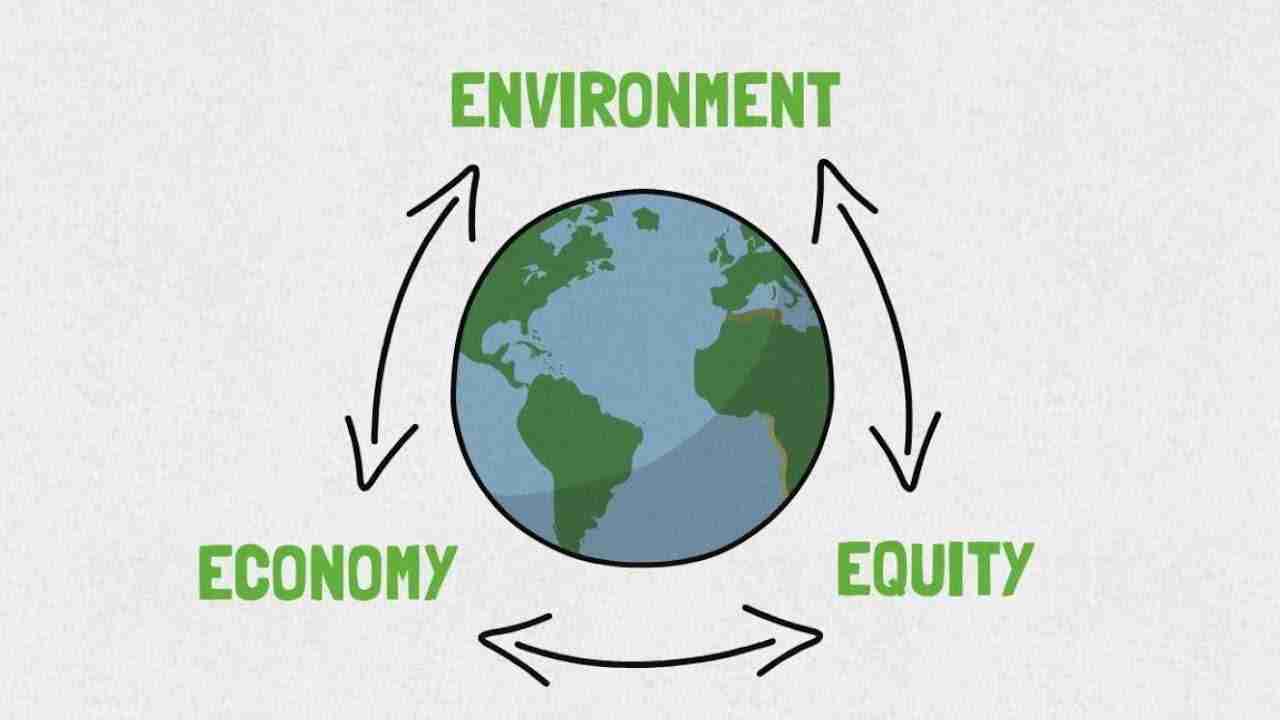
Sustainability in Agriculture: Eco-Friendly Practices in Rice Processing
Modern rice processing techniques are increasingly embracing sustainability, yielding both ecological and economic benefits. By integrating eco-friendly practices in their operations, rice processors are minimizing their carbon footprint and optimizing resource use. Advances in technology have revolutionized traditional methods, allowing for the development of machines that utilize renewable energy and reduce water usage significantly. These innovations enable farmers to not only enhance their productivity but also adhere to sustainable practices such as:
- Use of Solar-Powered Equipment: Utilizing solar energy to power processing machines reduces reliance on fossil fuels, lowering greenhouse gas emissions.
- Water Management Systems: Implementing advanced irrigation techniques minimizes water waste and ensures efficient usage throughout the processing stages.
- Biomass Utilization: Recycling rice husks and straw as biofuel for energy generation enhances sustainability and reduces agricultural waste.
Furthermore, sustainable rice processing contributes to soil health and biodiversity. By engaging in eco-friendly practices, rice farmers can improve soil quality and foster an environment conducive to beneficial microorganisms, ensuring long-term agricultural productivity. The synergy between traditional farming techniques and modern machinery paves the way for a more resilient agricultural ecosystem. A closer look at the impact of these practices reveals:
| Eco-Friendly Practice | Impact |
|---|---|
| Crop Rotation | Enhances soil fertility and reduces pests. |
| Organic Fertilizers | Minimizes chemical runoff, protecting water sources. |
| Precision Agriculture | Optimizes input use, reducing waste and environmental strain. |
Empowering Farmers: Strategies for Adopting Modern Rice Processing Solutions
As the demand for rice continues to grow globally, empowering farmers with accessible and efficient processing solutions is crucial for sustainable agriculture. Modern rice processing machines not only enhance productivity but also ensure quality and value addition to the crop. Farmers can adopt several strategies to leverage these technologies effectively, including:
- Education and Training: Providing farmers with resources and workshops on the benefits and operation of rice processing machines.
- Cooperatives: Encouraging farmers to form cooperatives to share the cost of machinery and access financing options.
- Government Incentives: Advocating for policies that support subsidies or loans for purchasing modern processing equipment.
- Local Support Networks: Establishing support groups that offer peer mentoring and advice on best practices in rice processing.
Furthermore, integrating technology into the traditional farming practices can expand the horizon for rice producers. Successful implementation requires a well-thought-out approach to ensure that the machines complement existing farming methods rather than disrupt them. Below is an overview of key benefits that come with adopting modern rice processing technologies:
| Benefit | Description |
|---|---|
| Increased Efficiency | Reduces manual labor and processing time. |
| Improved Quality | Ensures higher standards in rice milling and grading. |
| Reduced Losses | Minimizes post-harvest losses through optimized processing. |
| Economic Growth | Enhances profitability for farmers by accessing premium markets. |
In Summary
As the sun sets on the horizon of modern agriculture, the transformative tale of rice processing machines unfolds, heralding a new dawn for farmers and consumers alike. These innovative technologies are not merely tools; they are catalysts for change, bridging tradition and modernity in one of the world’s oldest agricultural practices. By enhancing efficiency, reducing waste, and elevating the quality of produce, rice processing machines are set to revolutionize not just how we grow our food, but also how we nourish our communities.
As we embrace these advancements, we must also remain mindful of the inclusivity of this revolution, ensuring that smallholder farmers—those who stand at the heart of rice production—are empowered to harness these innovations to their fullest potential. The journey of revolutionizing agriculture is far from complete; it is a continuous process of adaptation and growth.
In the chapters yet to be written, let us celebrate the ingenuity that propels us forward, unite in our efforts to champion sustainable practices, and cultivate a future where technology and tradition coexist harmoniously. The rise of rice processing machines is just the beginning. Together, we can sow the seeds of progress for generations to come.




