
Revolutionizing Agriculture: The Future of Rice Processing Machines
As the world grapples with the dual challenges of feeding a growing population and mitigating the impacts of climate change, the agricultural sector stands at a pivotal crossroads. Among the staples at the heart of this challenge is rice, a staple food for more than half of humanity. Historically, rice processing has been a labor-intensive endeavor that often relies on outdated technologies. However, a wave of innovation is sweeping through this essential domain, poised to transform how rice is harvested, processed, and delivered to markets. In this exploration of the future of rice processing machines, we delve into the technological advancements shaping the industry, from cutting-edge automation and precision engineering to sustainable practices that promise to enhance productivity while safeguarding our planet’s resources. Join us as we uncover the revolutionary changes on the horizon that may not only redefine rice processing but also hold implications for food security and agricultural sustainability worldwide.
Embracing Innovation: The Role of Smart Technology in Rice Processing
In recent years, the integration of smart technology has transformed the landscape of rice processing, enhancing efficiency and productivity with cutting-edge solutions. Intelligent machines equipped with IoT (Internet of Things) capabilities allow farmers to monitor their processes in real-time, optimizing each step from harvesting to milling. By utilizing data analytics, operators can gain insights into moisture levels, machine performance, and crop conditions, facilitating informed decision-making. This not only reduces waste but also increases the overall quality of the rice produced.
Moreover, automation has become a cornerstone of modern rice processing facilities. With the advent of advanced robotics and machine learning algorithms, tasks such as sorting, packaging, and quality control have become faster and more precise. Some key innovations include:
- Automated sorting systems that accurately identify and separate grains based on size, color, and quality.
- Smart sensors that help in monitoring grain storage conditions, preventing spoilage.
- Predictive maintenance technology that minimizes downtime by foreseeing and addressing machinery issues before they disrupt operations.
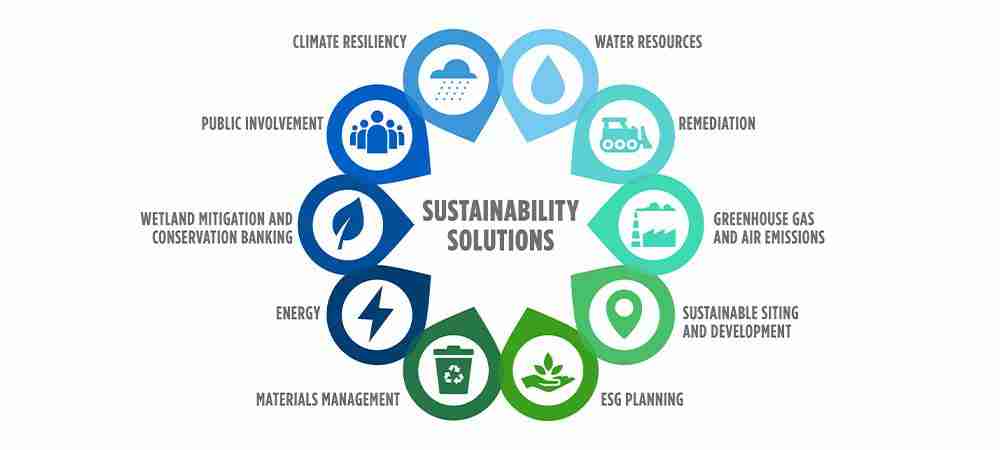
Sustainable Solutions: Eco-Friendly Practices in Modern Rice Milling
As the world becomes increasingly aware of environmental challenges, the rice milling industry is taking significant strides towards sustainability. One of the most promising advancements is the integration of renewable energy sources in rice processing facilities. By utilizing solar panels and bioenergy produced from rice husks, mills can drastically reduce their carbon footprint while simultaneously lowering operational costs. Additionally, water-saving technologies, such as zero-water milling, are transforming how we process rice, minimizing waste and conserving precious water resources in regions where drought is a pressing concern.
Another vital component of sustainable rice milling lies in the adoption of eco-friendly machinery and practices that prioritize efficiency and waste reduction. Companies are increasingly focusing on:
- Energy-efficient machines that require less power and generate less heat, thereby reducing environmental impact.
- Closed-loop processing systems that recycle by-products, turning them into valuable resources like fertilizers.
- Eco-conscious supply chains, ensuring that sourcing and production align with environmental standards.
| Eco-Friendly Initiative | Benefits |
|---|---|
| Renewable Energy Adoption | Lower energy costs, reduced carbon emissions |
| Water Conservation Technology | Less water usage, improved sustainability |
| Waste-to-Resource Programs | Minimized waste, additional revenue streams |
Enhancing Efficiency: The Impact of Automation on Agricultural Productivity
Automation has become a transformative force in the agricultural sector, particularly in rice processing, where traditional methods are being replaced by innovative technology. The rise of automated rice processing machines not only streamlines operations but also significantly enhances overall productivity. By integrating these advanced systems, farmers can achieve more consistent results, reducing the variability that often plagues manual processing methods. The benefits are multi-faceted:
- Increased Speed: Automated machines can process larger quantities of rice in a fraction of the time it takes to do so manually.
- Improved Quality: State-of-the-art technology ensures better sorting, cleaning, and milling, leading to higher quality end products.
- Labor Efficiency: Reduced need for manual labor allows farmers to redirect their workforce to more strategic tasks, fostering a more skilled labor force.
The data supporting the efficiency gains from automation is compelling. A recent survey showed that farms utilizing automated processing techniques experience an average productivity increase of over 30%. The following table illustrates this tangible impact:
| Farm Type | Manual Processing Productivity | Automated Processing Productivity | Productivity Increase (%) |
|---|---|---|---|
| Small-Scale | 500 kg/day | 700 kg/day | 40% |
| Medium-Scale | 1,500 kg/day | 2,000 kg/day | 33.3% |
| Large-Scale | 10,000 kg/day | 13,000 kg/day | 30% |
As rice processing continues to evolve, the integration of automation will play a crucial role in shaping the future of agriculture. This technological shift not only boosts productivity but also contributes positively to sustainability, enabling farmers to produce more with fewer resources and a reduced environmental footprint. Consequently, embracing automation is not merely about keeping pace with technological advancements; it represents a fundamental change in how food is produced and can lead to long-term improvements in food security globally.
Market Trends: Navigating the Future of Rice Processing Equipment and Investments
The landscape of rice processing is rapidly evolving, driven by technological advancements and shifts in consumer demand. Key market trends are emerging that not only promise to enhance efficiency but also to ensure sustainability in production. As stakeholders in the agricultural sector seek to capitalize on these trends, investment in state-of-the-art rice processing equipment is becoming imperative. Some vital innovations defining this shift include:
- Automation: Increased reliance on automated machinery is reducing labor costs and improving precision in processing.
- Smart Technology: The integration of IoT devices allows for real-time monitoring and analytics, enhancing decision-making capabilities.
- Sustainability: Environmentally friendly machines are gaining traction as consumers prioritize eco-conscious products.
Investors and farmers alike must understand these transitions to make informed decisions. Companies are now focusing on building adaptable and versatile machines that can cater to varying scales of production. An effective strategy is to identify emerging markets where demand for rice processing is growing. Furthermore, investing in training for personnel on new technologies can significantly increase equipment efficacy and crop yield. A quick overview of current pricing trends reflects these shifts:
| Type of Equipment | Average Price ($USD) | Growth Rate (%) |
|---|---|---|
| Automated Husker | 10,000 | 7 |
| Rice Mill | 50,000 | 10 |
| De-Stoner | 15,000 | 5 |
To Wrap It Up
As we stand on the cusp of a new agricultural era, the advancements in rice processing technology are not merely enhancing productivity; they are forging a path toward sustainability, efficiency, and quality. The integration of innovative machinery promises to transform traditional practices, allowing farmers to meet the rising global demand while preserving the integrity of their harvests. By embracing these changes, we not only invest in the future of rice production but also in the resilience of communities that depend on this staple crop.
As we look ahead, it is clear that the future of rice processing machines will be defined by intelligent solutions that harmonize with nature, empower producers, and nourish a growing population. The seeds of this revolution have been sown, and as technology continues to evolve, we can expect a flourishing landscape where agriculture thrives alongside the pressing challenges of our time. Embracing this transformation is not just an opportunity; it is a necessity for a sustainable future. The journey has only just begun, and the horizons ahead are ripe for exploration.




