
Inside the Parboiled Rice Processing Plant: A Journey Unveiled
In a world where food plays a pivotal role in connecting cultures and nourishing communities, the journey of rice from paddy to plate is a tale often overlooked. Nestled within the heart of agricultural landscapes, parboiled rice processing plants quietly orchestrate this transformation with precision and care. From the moment the golden grains are harvested, to their meticulous steaming and drying, each step is a testament to the time-honored practices and innovative technologies that define the essence of parboiled rice. In this article, we invite you to step behind the scenes and explore the intricate processes that make up a parboiled rice processing plant. Join us as we unveil the journey of this staple food, revealing the dedication of the individuals who uphold its legacy and the methods that elevate it to culinary excellence. Whether you are a devoted rice enthusiast or simply curious about the mechanisms of food production, this exploration promises to enrich your understanding of one of the world’s most cherished grains.
Exploring the Journey from Paddy to Parboiled Perfection
The journey of rice from paddy fields to parboiled perfection is an intricate dance of nature and technology. Once harvested, the golden grains are transported to processing plants, where they undergo meticulous cleaning and drying stages. This essential preliminary step ensures the removal of impurities such as stones, dirt, and husk, which are detrimental to the quality of the final product. The sun-kissed grains then meet an array of specialized machines designed to optimize their transformation into parboiled rice, a process that enhances both nutritional value and cooking quality.
At the heart of the processing plant, three main stages dictate the evolution of the rice: steaming, drying, and milling. In the steaming phase, the grains are subjected to high-pressure steam, allowing for nutrient absorption and gelatinization of the starch. This pivotal step not only alters the texture but also increases the rice’s resistance to overcooking, making it a favored choice among chefs and home cooks alike. Following steaming, the rice undergoes drying, where controlled heat reduces moisture levels to ensure longevity. the milling process smooths the surface of the grains, creating a polished appearance while removing the bran layer. The following table highlights the key attributes of parboiled rice compared to regular rice:
| Characteristic | Parboiled Rice | Regular Rice |
|---|---|---|
| Nutritional Content | Higher in vitamins and minerals | Standard nutritional value |
| Texture | Fluffy and non-sticky | Varies; often sticky |
| Cooking Time | Moderate, requires less water | Varies based on type |

Essential Technologies Behind Efficient Processing
The transformation of paddy into parboiled rice involves a meticulous orchestration of cutting-edge technologies designed to enhance efficiency and quality. At the heart of this processing journey lies steam treatment technology, which softens the rice grains and facilitates the absorption of nutrients. This method not only improves the nutritional value but also enhances the texture of the rice, making it more appealing to consumers. Coupled with this is the drying mechanism, which utilizes a combination of hot air and controlled humidity to ensure that the moisture content is optimized, thereby preventing spoilage and microbial growth.
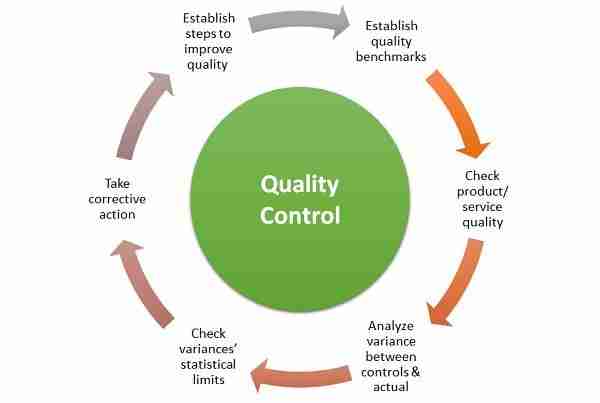
In addition, modern milling equipment plays a pivotal role in achieving high yield rates while maintaining grain integrity. These machines are equipped with precision control systems that minimize broken grains and maximize the output of whole rice. Moreover, advancements in quality control systems, using sensors and artificial intelligence, allow for real-time monitoring of the processing stages. This not only helps to maintain product quality but also significantly reduces waste. Below is a table that summarizes some of the key technologies, their functions, and benefits:
| Technology | Function | Benefits |
|---|---|---|
| Steam Treatment | Softens grains for nutrient absorption | Enhances nutritional value and texture |
| Drying Mechanism | Optimizes moisture content | Prevents spoilage and microbial growth |
| Milling Equipment | Processes grains while minimizing damage | Maximizes yield of whole rice |
| Quality Control Systems | Monitors processing in real time | Reduces waste and maintains quality |
Quality Control Measures for Superior Parboiled Rice
In the quest for excellence in parboiled rice production, implementing rigorous quality control measures is paramount. Each stage of processing is meticulously monitored to ensure that only the finest grain reaches consumers. Key aspects of quality control include:
- Raw Material Inspection: Each batch of paddy undergoes a thorough examination for impurities, moisture content, and certification of origin.
- Steam Treatment Monitoring: The steaming process is constantly supervised to achieve optimal gelatinization of starch, which is essential for the final product’s texture.
- Color Sorting: Advanced optical sorting technologies are employed to detect and remove discolored or defective grains, ensuring a uniform appearance.
- Quality Testing: Samples are regularly taken for laboratory analysis, assessing parameters such as broken rice percentage, aroma, and taste.
Moreover, the facility employs a systematic approach to maintaining cleanliness and hygiene, thereby safeguarding the quality of the rice. Visual inspection points are established throughout the plant, complemented by regular sanitization protocols. A simplified layout for tracking quality assessments allows for efficient identification of any issues that may arise. Here’s a snapshot of the key quality control steps:
| Step | Description |
|---|---|
| 1. Paddy Reception | Initial quality checks and grading of incoming paddy. |
| 2. Steaming Process | Controlled conditions to ensure proper starch gelatinization. |
| 3. Drying | Carefully monitored to prevent over-drying or under-drying. |
| 4. Packing | Final inspection and automated packaging for consistency. |
Sustainability Practices in Modern Rice Processing Plants
As the demand for rice continues to surge, modern processing plants are striving to balance productivity with eco-conscious methodologies. One key aspect of sustainable operations is the implementation of energy-efficient machinery that minimizes waste and reduces overall consumption. Many facilities are investing in state-of-the-art technologies that utilize renewable energy sources, such as solar and biomass, to power their processes. This commitment not only lowers the carbon footprint but also enhances the sustainability of rice cultivation by promoting the use of local, renewable resources.
Water management also plays a pivotal role in the sustainability practices of contemporary rice processing. With rice being a water-intensive crop, modern plants have adopted advanced systems to recycle and purify water used in milling and parboiling processes. Techniques such as closed-loop water systems and rainwater harvesting help in dramatically reducing water waste. Furthermore, these facilities often engage in environmentally friendly waste management practices by converting by-products, such as husks and bran, into value-added products like biofuels or animal feed. The following table highlights some of these innovative practices:
| Practice | Description |
|---|---|
| Energy Efficiency | Utilizing energy-saving equipment and renewable energy sources. |
| Water Recycling | Implementing closed-loop systems to minimize water usage. |
| Waste Conversion | Transforming by-products into biofuels or animal feed. |
Concluding Remarks
As we conclude our exploration of the parboiled rice processing plant, we’ve journeyed through the intricate stages that transform raw grains into the versatile staple we often take for granted. From the initial soaking and steaming to the final drying and packaging, each process plays a vital role in enhancing the nutritional value and culinary qualities of parboiled rice. The dedication of the workers, the precision of the machinery, and the commitment to quality underscore the significance of this industry to food security and economic stability.
Understanding the complexities of parboiled rice processing not only highlights the meticulous effort involved but also invites us to appreciate the journey of our food from field to table. As consumers, we are now empowered with the knowledge to make informed choices, honoring the labor and innovation that ensure our meals are both nourishing and delicious. With this, we encourage you to look beyond the surface of your next bowl of rice—acknowledging the craftsmanship and care that go into every grain. Thank you for accompanying us on this insightful journey into the world of parboiled rice processing.




