Harvest to Harmony: Inside the rice Processing Plant Journey
Rice, often referred to as the staple of sustenance for more than half of the global population, embarks on a transformative journey from field to fork—a journey that is as intricate as it is essential. In “harvest to Harmony: inside the rice Processing Plant Journey,” we invite you to step into the crossroads of agriculture and innovation, where golden grains undergo a remarkable metamorphosis. This article uncovers the hidden processes that occur within rice processing plants, revealing the delicate balance of tradition and technology that ensures the grains reach our tables in their finest form. From the moment the first stalks are harvested to the careful sorting and packaging that follows, join us as we explore the harmonious symphony of steps that culminates in a bowl of rice, a symbol of nourishment and culture around the world.
Understanding the Lifecycle of Rice: From Field to Fork
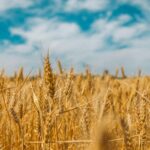
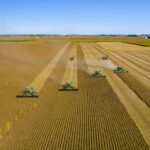
Rice processing begins long before it reaches your plate,kicking off with the harvest season when golden grains sway gently in the breeze. Once the rice is harvested, it is transported to the processing plant where it undergoes a meticulous change. The first step is cleaning, where the harvested rice is sorted to remove impurities and debris, ensuring only the best grains move forward. Next, the rice enters the hulling phase, where the hull or outer layer is removed, revealing the brown rice underneath. This crucial step not only enhances flavor but also prepares the grain for further refinement. after hulling, the grains proceed to the milling stage, where thay are polished to achieve the familiar shiny, white rice most people are accustomed to.
Once the rice has been milled and polished, the next phase focuses on quality control, ensuring that every bag meets stringent standards for size, color, and texture.This is where the grains are categorized based on their quality, leading to various rice grades that consumers can choose from. The packaging process follows, where rice is carefully weighed and sealed in bags, ready for distribution. At this stage, it is essential to maintain hygiene standards to keep the rice fresh and safe for consumption. Storage warehouses equipped with climate control systems keep the product free from pests and spoilage, ensuring rice travels from the plant to your kitchen in peak condition.
| Process Stage | Description |
|---|---|
| Cleaning | Removing impurities and debris from harvested rice. |
| Hulling | Removing the outer hull to obtain brown rice. |
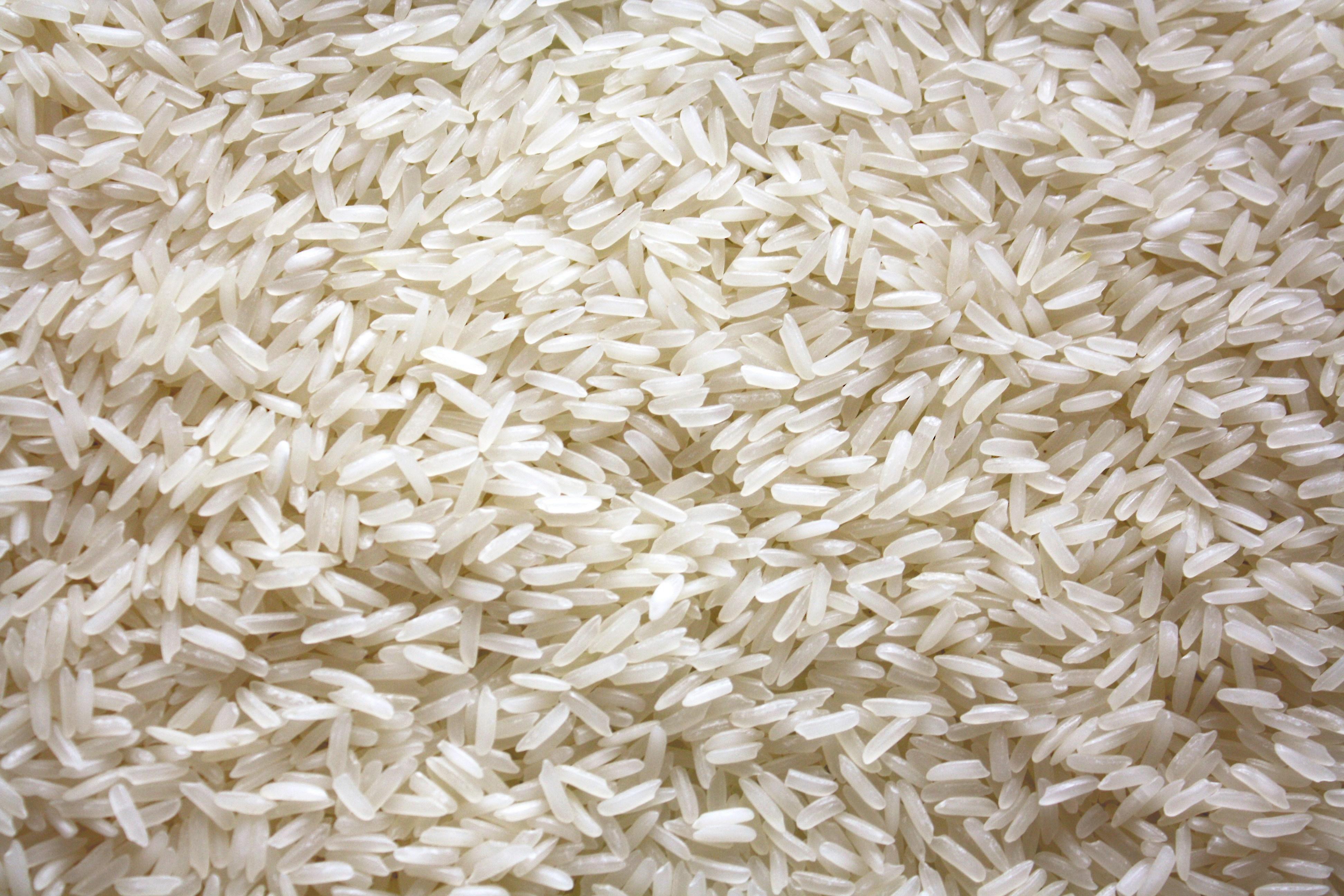
| Milling | Polishing brown rice to achieve white rice. |
| Quality Control | Sorting and classifying rice based on quality. |
| Packaging | Weighing and sealing rice for distribution. |
| Storage | Maintaining optimal conditions to prevent spoilage. |

The Technology Behind processing: Innovations in Rice Milling
The journey of rice from field to table is substantially enhanced by a myriad of technological advancements in the milling process. At the heart of modern rice milling plants, laser sorting machines and vibratory separators work together to ensure that only the highest quality grains make it to packaging. These innovations utilize advanced imaging technology to detect impurities, while air jets remove unwanted materials without damaging the rice itself. The integration of automated weighing systems further streamlines operations, ensuring precise quantities are measured for consistent product delivery.
Moreover, steam pressure cooking and thermal conditioning techniques have transformed the way rice is prepared post-harvest. These methods not only enhance the flavor and texture of the rice but also significantly improve its shelf life. In addition, the adoption of eco-amiable milling systems that reduce energy consumption and waste proves that sustainability plays a crucial role in today’s rice processing landscape. Below is an overview of the key technological features that enhance the milling process:
| Technology | function | benefits |
|---|---|---|
| Laser Sorting Machines | Identifies and removes impurities | Improved grain quality |
| Vibratory Separators | Separates rice by size and weight | Higher efficiency in milling |
| Steam Pressure Cooking | Enhances flavor and texture | Increased shelf life |
| Eco-friendly Systems | Minimizes energy use | Supports sustainability efforts |
Sustainability Practices in Rice Production: Striving for an Eco-Friendly Future
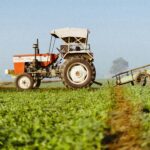
in the quest to cultivate rice sustainably, modern practices are gradually transforming fields into eco-friendly landscapes.Farmers are increasingly implementing integrated pest management (IPM) systems, which significantly reduce reliance on chemical pesticides while maintaining crop health. Water management techniques, such as alternate wetting and drying (AWD), efficiently conserve water resources by allowing fields to dry intermittently, leading to both reduced water usage and enhanced soil health. Moreover, there’s a growing trend towards organic fertilization with bio-based products, promoting nutrient cycling that benefits the ecosystem and minimizes environmental impact.
The rice processing journey is equally committed to sustainability. Processing plants now prioritize energy-efficient technologies and renewable energy sources to power their operations,thus decreasing the carbon footprint associated with rice milling. Some key practices include:
- Utilizing husk as biomass fuel: Turning waste into energy, reducing overall waste.
- Implementing water recycling systems: Ensuring that water is reused and not wasted during processing.
- Employing eco-friendly packaging: Shifting toward biodegradable or recyclable materials to minimize plastic pollution.
| Practice | benefit |
|---|---|
| Integrated Pest Management (IPM) | Reduces chemical pesticide use |
| Alternate Wetting and Drying (AWD) | Conserves water and improves soil health |
| Organic Fertilization | Benefits ecosystem and reduces pollution |
| Husk Biomass Fuel | Reduces waste and promotes renewable energy |
Quality Assurance in Rice Processing: Maintaining Standards from Harvest to Table
Quality assurance in rice processing is a multifaceted journey that begins right after the grains are harvested. implementing rigorous quality checks at this stage is crucial to ensure that only the best quality rice makes it to the processing plant. Farmers and quality inspectors work hand in hand, conducting inspections that focus on moisture content, pest damage, and foreign material presence.By identifying and addressing issues at the harvest level, producers can set a high standard even before the rice enters the processing phase.
As the rice makes its way through the processing plant, multiple steps are taken to uphold quality. Cleaning and husking involve removing impurities to guarantee that consumers recieve clean rice. Next,precision milling techniques are employed to achieve optimal grain size while minimizing broken rice. After milling, stringent checks are performed, including grading by size and appearance and also taste tests to ensure flavor consistency. All these steps are encapsulated in a carefully documented quality assurance process that includes:
- Regular equipment calibration – ensuring machines function at peak efficiency
- Strict adherence to food safety standards – complying with local and international guidelines
- Transparency in reporting – documenting every stage for traceability
| Quality Check Stage | Key Focus Areas |
|---|---|
| Harvest Inspection | Moisture Content, Pest Damage |
| Processing Checks | Cleaning, Grading, Flavor Testing |
| final Quality Assurance | Packaging Integrity, Consistency of Taste |
Key Takeaways
As we conclude our exploration of the intricate journey from harvest to harmony within the realms of rice processing, we are reminded of the delicate balance that this age-old grain embodies. From the sun-drenched fields where it begins its life, to the sophisticated processing plants where raw grains are transformed into the staple that feeds millions, each phase of this journey is a testament to human innovation and respect for nature’s bounty.
Understanding this process not only highlights the importance of rice in global cuisine but also emphasizes the commitment of those who work tirelessly to ensure its quality and sustainability. As we put down our forks for a moment and reflect on the journey these grains have undertaken, we cultivate a deeper thankfulness for the stories behind our food.
In an ever-evolving world, the principles of harmony—between agriculture, technology, and environment—remain crucial. The next time you savor a bowl of rice, take a moment to remember the journey; it is not just a side dish but a connection to a larger narrative of care, craftsmanship, and community.With each grain, we are reminded that every meal is an prospect to celebrate the intersection of past traditions and future innovations. As we move forward, let us do so with the knowledge that sustainability and harmony are not just ideals, but achievable realities woven into the fabric of our global food system.