Unpacking the Process: The Art and Science of Maize Milling
In a world where culinary traditions and agricultural innovations intertwine,the humble maize kernel stands as a testament to the intricate dance between nature and human ingenuity. From the bustling marketplaces of south America to the quiet homesteads of rural Africa, maize serves not only as a staple food but also as a symbol of cultural identity and sustenance. Yet, behind the simple act of grinding maize lies a refined process that melds art with science.
This article delves into the intricate journey of maize milling, exploring both its time-honored techniques and modern advancements. we will unravel the layers of this essential craft, examining the change of golden grains into finely milled flour, meal, or grits. By blending customary practices with contemporary insights, we aim to illuminate the complexity of maize milling—revealing how each step impacts flavor, texture, and nutritional value. Join us as we embark on a fascinating exploration of this pivotal process, where age-old wisdom meets cutting-edge technology, and discover the hidden nuances that elevate maize milling to an artisanal level.
the Journey from Kernel to Flour: Understanding Maize Milling Fundamentals
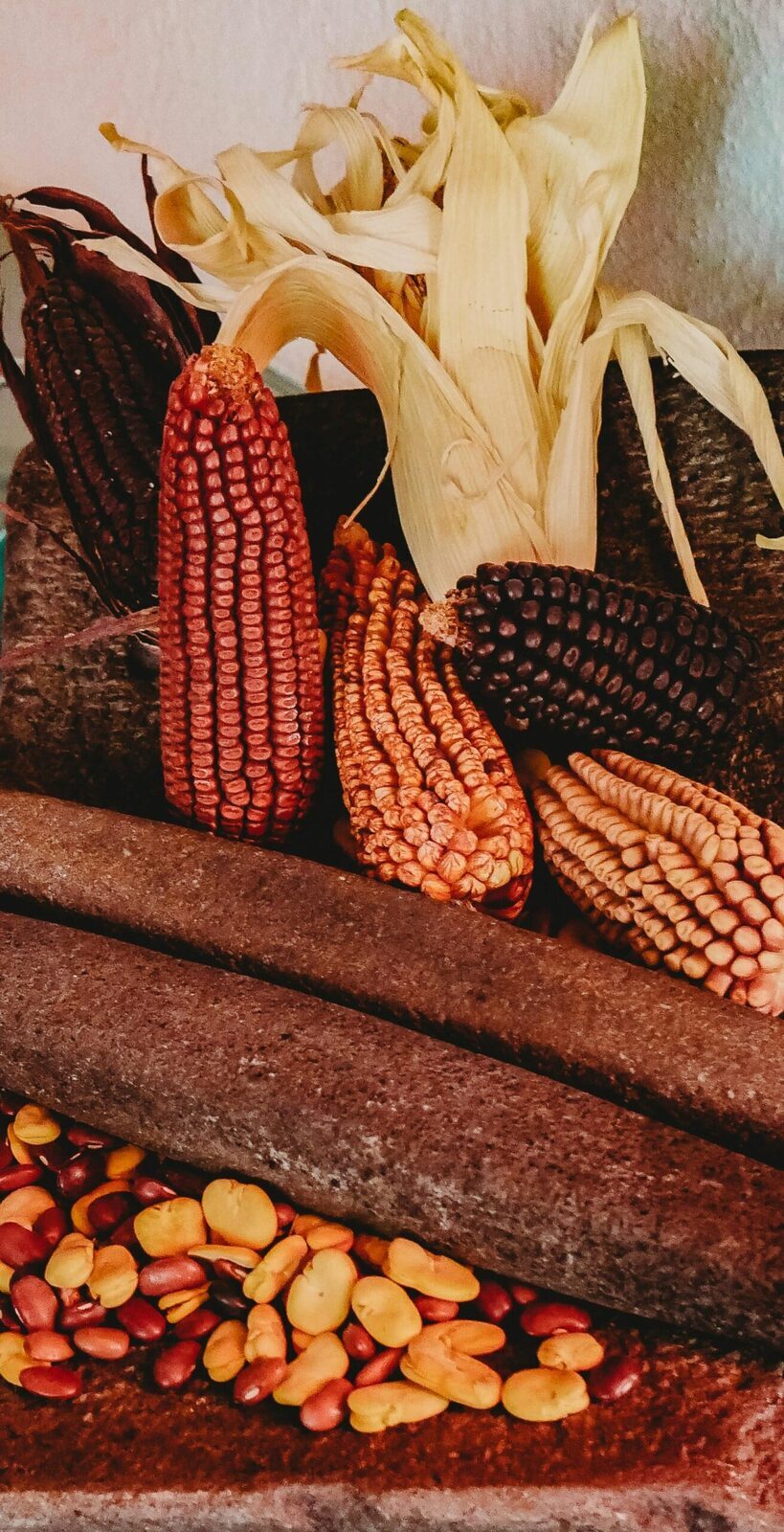
The transformation of maize kernels into flour is nothing short of a culinary alchemy that marries time-honored techniques with modern technology. At the heart of this process lies a series of meticulous steps that ensure the grain’s flavor and nutritional integrity are preserved. Initially,the harvesting stage sets the tone for quality; only the best ears of maize are selected. This is followed by a thorough cleaning process, where impurities such as dust, stone, and debris are removed. After cleaning, the dried kernels undergo condition adjustments to prepare them for milling, allowing for optimal moisture content that is crucial during the subsequent grinding phase.
Milling itself is where the magic happens, as the kernels are subjected to various methods including impact, grinding, and crushing. Each technique plays a distinct role in achieving the desired flour texture, whether fine or coarse, suitable for different culinary needs. A crucial aspect is sifting, wich separates the flour from the bran and germ components, presenting different grades of flour that cater to a range of recipes. The entire process combines both art and science, requiring keen attention to detail and a deep understanding of the grain’s characteristics. Below is a simple table highlighting the key milling stages:
| Stage | Description |
|---|---|
| Harvesting | Selection of high-quality maize ears. |
| Cleaning | Removal of impurities and foreign materials. |
| Conditioning | Adjusting moisture for optimal milling. |
| Milling | Grinding kernels using various techniques. |
| Sifting | Separating flour from bran and germ. |
Crafting Quality: Key Techniques for Optimal Grain Processing
Quality maize milling hinges on a combination of refined techniques and precision. The initial step involves the careful selection of maize, ensuring grain integrity and optimal moisture content. This is crucial; too much moisture can lead to spoilage,while too little can result in poor milling efficiency. Once selected, the maize undergoes cleaning processes that eliminate impurities such as stones, dust, and foreign seeds. Utilizing a series of screens and air classifiers enhances the quality by guaranteeing that only the best grains proceed to the milling stage.
During the milling process,a few key techniques come into play that can significantly affect the end product. Maintaining consistent grind settings is essential, as it determines the flour’s texture and particle size. The use of different grinding systems, including roller mills and impact mills, allows for versatility and adaptability to specific milling goals. Operators often monitor the temperature and humidity in the milling habitat, as these factors can greatly influence the efficiency and quality of the flour produced. Here’s a brief comparison of common milling techniques:
| Technique | pros | Cons |
|---|---|---|
| Roller Mills | Consistent grind size high efficiency |
Higher initial cost Requires maintenance |
| Impact Mills | Versatile Good for fine granulation |
Potential for heat generation Less efficient for coarse grinding |

The Role of Technology: Innovations Shaping the Future of Maize Milling
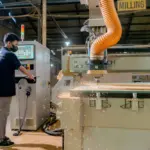
The maize milling industry is undergoing a fascinating transformation driven by cutting-edge technology. Modern milling equipment is not just about grinding grains; it’s about optimizing processes and enhancing quality. High-efficiency milling systems equipped with advanced sensors and automation are streamlining production, ensuring that the grain is milled with precision. Innovations like airflow systems and roller mills are designed to reduce energy consumption while maximizing yield,showcasing how technology is marrying efficiency with sustainability. Moreover, the integration of data analytics allows millers to monitor operations in real-time, predicting maintenance needs before they become a problem and minimizing downtime.
Furthermore, the advent of digital interfaces and IoT-enabled devices offers farmers and mill operators unprecedented control over their processes. This connectivity enables seamless dialog between various stages of production, yielding a more synchronized approach to milling. The impact of these innovations goes beyond just the milling process; they are fostering better supply chain management and product tracking. As an example, technologies like blockchain are paving the way for higher transparency and traceability in maize sourcing. this not only supports quality assurance but also enhances consumer trust, ultimately reshaping how maize products are perceived in global markets.

Sustainability in Practice: Best Practices for Eco-Friendly Milling Operations
In the realm of maize milling, embracing sustainability translates into tangible practices that not only benefit the environment but also enhance operational efficiency. Implementing energy-efficient machinery is one vital step; equipment that utilizes less energy and reduces waste can significantly lower the carbon footprint. Additionally, auditing water usage ensures that resources are conserved, allowing mills to operate in a more eco-conscious manner. This can involve installing water recycling systems and optimizing cleaning processes to minimize water consumption.
Moreover, sourcing locally grown maize helps decrease transportation emissions while supporting regional farmers and economies. Integrating waste management strategies is another key practice; byproducts such as husks and bran can be repurposed as animal feed or compost, thereby closing the loop in the milling process. Below is a simple table highlighting some key best practices that enhance sustainability in milling operations:
| Best practice | Description |
|---|---|
| Energy Efficiency | Investing in machinery that consumes less energy. |
| Water Conservation | Implementing recycling systems and optimizing water use. |
| Local Sourcing | Purchasing maize from local farmers to reduce transport impacts. |
| Waste Repurposing | Using milling byproducts as animal feed or compost. |
The Conclusion
As we conclude our exploration of the intricate dynamics behind maize milling,it becomes clear that this process is more than just a means to an end; it is a sophisticated interplay of art and science.From selecting the right variety of maize to the precise calibration of machinery, every step reflects a balance of tradition and technology.
In this journey,we have delved into the ancient importance of maize as a staple crop,its cultural relevance across diverse cuisines,and the innovative practices that ensure a sustainable future for milling operations. The techniques employed in milling not only influence the nutritional quality of maize products but also weave a narrative of regional identities and food security.
As the world continues to evolve, so too will the methods and technologies surrounding maize milling, adapting to the needs of communities and the environment. By appreciating both the artistry and the scientific rigor involved, we foster a deeper recognition for one of humanity’s oldest agricultural traditions. Thus, as we fold this chapter closed, may we celebrate the continued journey of maize from field to flour, and from tradition to innovation—a testament to our ingenuity and resilience in feeding the world.