
From Paddy to Plate: The Journey of Rice Processing Unveiled
Rice, a staple food for more than half of the world’s population, plays a fundamental role in global cuisine and culture. Yet, the journey that transforms simple grains into the beloved staple on our plates remains mostly hidden from view. In the fields, sunlight and water nurture the paddy, but beyond that initial sprout lies a complex journey of cultivation, harvesting, milling, and distribution. This article embarks on an exploration of the rice processing journey—an intricate tapestry of tradition, technology, and labor. From the lush paddies where rice plants sway gently in the breeze to the bustling kitchens where fragrant dishes emerge, we will unveil the processes and practices that bring rice from its natural habitat into our daily lives. Join us as we uncover the fascinating story behind this essential grain, celebrating the craftsmanship and science that ensure every grain of rice reaches our plates in perfect form.
The Cultivation Chronicles: Understanding Rice Varietals and Their Impact
The journey from the paddy fields to your plate is a complex narrative shaped by the specific varietals of rice cultivated, each bringing its unique characteristics to the table. Indica, known for its long grains and higher amylose content, offers a fluffy texture when cooked, making it ideal for dishes like biryani. In contrast, Jasmine rice is celebrated for its fragrant aroma and slightly sticky texture, perfect for Thai cuisine. The Glutinous rice varietal, often used in Asian desserts, binds well due to its high starch content, bringing a chewy quality that is beloved in many traditional recipes.
| Rice Varietal | Texture | Culinary Use |
|---|---|---|
| Indica | Fluffy | Biryani, Pilafs |
| Jasmine | Slightly Sticky | Thai Dishes, Curries |
| Glutinous | Chewy | Desserts, Sticky Rice Dishes |
Understanding these variances not only enhances our culinary experiences but also emphasizes the regional nuances that each varietal brings. Rice cultivation practices, influenced by factors such as climate and soil type, can markedly affect the flavor profiles and nutritional values. It’s fascinating how the journey of transforming harvested grains into various forms—whether steamed, boiled, or fried—echoes the rich cultural histories and traditions of the communities that have nurtured these crops for generations, further linking agriculture to our daily meals.
Harvesting Heritage: Techniques that Shape Quality and Sustainability
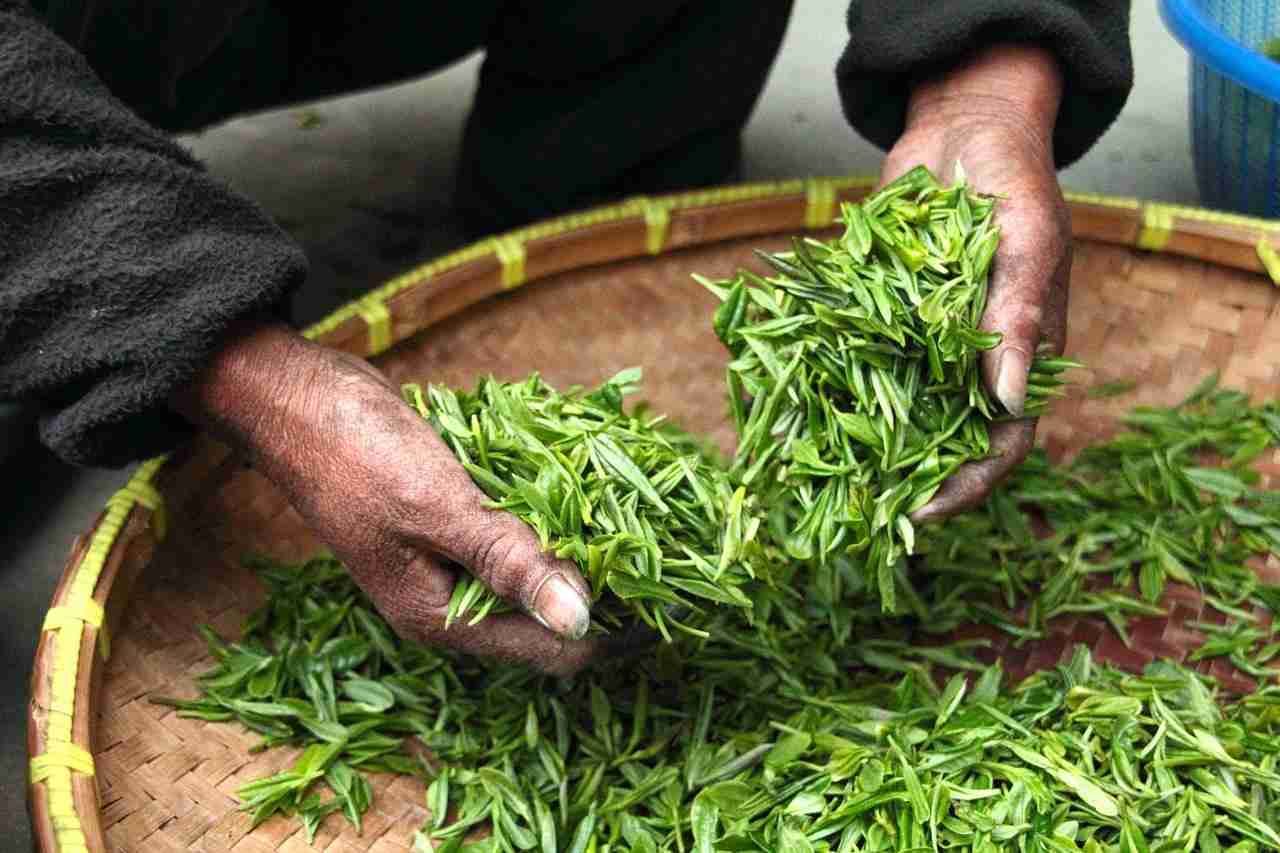
The journey of rice from the flooded paddies of lush green fields to the plates of diners globally is an intricate affair that balances tradition with innovation. This elegant grain, a staple for over half the world’s population, undergoes a series of meticulous processes that not only ensure quality but also uphold sustainable practices. Among the various techniques employed, manual harvesting remains a celebrated method, particularly in regions that value heritage. Farmers wield sickles, harvesting rice with precision while preserving the integrity of the stalks, which provides essential nutrients for the soil during the subsequent growing season. Meanwhile, modern mechanization has introduced innovative threshing and milling processes that reduce waste and improve efficiency, bridging the gap between centuries-old traditions and contemporary demands.
In the realm of sustainability, post-harvest practices play a crucial role in minimizing environmental impact. Farmers implement techniques such as water-saving irrigation systems, which optimize water usage during both cultivation and processing stages. Additionally, the adoption of eco-friendly packaging helps in reducing the carbon footprint associated with rice distribution. These practices not only enhance the longevity of the harvested product but also contribute to the overarching goal of sustainable agriculture. The integration of traditional wisdom with modern advancements leads to a cycle of renewal, ensuring that as we savor each bite of rice, we honor the heritage behind it while advocating for a sustainable future.
| Technique | Description | Sustainability Impact |
|---|---|---|
| Manual Harvesting | Traditional method using sickles to cut rice | Preserves soil quality and local biodiversity |
| Modern Mechanization | Use of machines for efficient threshing and milling | Reduces waste and energy consumption |
| Water-Saving Irrigation | Innovative irrigation systems to optimize water usage | Conserves water and promotes healthier ecosystems |
| Eco-Friendly Packaging | Biodegradable and sustainable materials for packaging | Decreases carbon footprint in distribution |

Processing Pathways: From Traditional Methods to Modern Innovations
The journey of rice processing has seen significant evolution, transitioning from traditional methods rooted in history to modern innovations driven by technology. In the early days, farmers relied on simple techniques such as hand-harvesting and sun-drying to transform paddy into consumable rice. This labor-intensive process involved key stages, including husking, milling, and polishing. Each step, performed manually, required careful attention to preserve the quality of the grains. Richard’s Method, a common practice, involved soaking the paddy before husking, ensuring minimal breakage and better flavor retention. These traditional methods, while effective, were time-consuming and limited in scalability.
As the demand for rice grew, so did the need for more efficient practices. Enter modern innovations like mechanized milling and precision agriculture. Today’s rice processing facilities utilize advanced machinery that can handle multiple steps simultaneously, significantly reducing processing time. Among the noteworthy advancements are automated grading systems and digital moisture analyzers, which enhance quality control and consistency. The transformation is further aided by data analytics, allowing farmers to optimize yield based on real-time soil and climate data. Innovation has not only improved efficiency but also contributed to sustainability, promoting practices that reduce waste and energy consumption throughout the processing pathway.
| Traditional Methods | Modern Innovations |
|---|---|
| Hand-harvesting | Mechanized harvesting |
| Sun-drying | Solar drying systems |
| Manual milling | Automated milling machines |
| Labor-intensive | Data-driven precision |
Nourishing Outcomes: Enhancing Nutrition and Culinary Versatility of Rice
The journey of rice from its humble origins as paddy fields to the vibrant dishes that grace our tables is nothing short of remarkable. By enhancing both its nutritional profile and culinary versatility, rice continues to evolve as a staple food that meets the diverse needs of various cultures. The transformation process sheds light on crucial techniques that not only enrich the grains but also expand their potential in everyday cooking. Key strategies for achieving this include:
- Fortification: Enriching rice with essential vitamins and minerals to combat nutritional deficiencies.
- Whole Grain Integration: Promoting brown rice and other whole grain varieties that retain more nutrients.
- Variety Exploration: Experimenting with aromatic and colored rice types that offer unique flavors and health benefits.
- Culinary Innovations: Incorporating rice into various cuisines beyond its traditional uses—think risottos, sushi, and rice salads.
Rice’s adaptability is further highlighted by its ability to absorb flavors, making it a canvas for culinary creativity. Beyond basic preparation methods, advanced cooking techniques such as steaming, frying, and baking allow for a delightful exploration of textures and tastes. Moreover, pairing rice with nutrient-dense ingredients can result in well-balanced meals. Consider the following combinations for a nutritious yet innovative approach:
| Rice Type | Nutritional Pairing | Flavor Profile |
|---|---|---|
| Brown Rice | Black Beans & Avocado | Earthy & Creamy |
| Jasmine Rice | Coconut & Shrimp | Sweet & Savory |
| Wild Rice | Crushed Walnuts & Cranberries | Nutty & Tart |
Key Takeaways
As we conclude our exploration of the intricate journey from paddy to plate, it becomes clear that each grain of rice carries not just nourishment, but a story woven through time, tradition, and innovation. From the lush fields where it is nurtured under the sun’s embrace, to the meticulous processes that transform it into the staple we often take for granted, rice exemplifies a remarkable interplay between nature and human ingenuity.
Understanding this journey invites us to appreciate the dedication of farmers, the nuances of processing, and the global tapestry of culinary practices that celebrate this versatile crop. As you savor your next bowl of rice, remember the unseen pathways it traveled and the hands that brought it to your table.
In a world increasingly disconnected from our food sources, let us cultivate a deeper respect for the journeys our meals undertake, ensuring that, from paddy to plate, each bite is a testament to the rich heritage and dedication behind it. Thank you for joining us on this enlightening glimpse into the world of rice processing—may it inspire not only your next meal, but also a greater consciousness about the food we consume.




