
From Paddy to Plate: The Art of Rice Processing Unveiled
Rice, often dubbed the staple of life, holds a revered place in cultures around the globe. From family gatherings to festive celebrations, the journey of this humble grain is both profound and intricate, transcending mere sustenance to embody tradition and heritage. But how does a golden paddy in a lush field transform into the delicate white grains that grace our plates? In “From Paddy to Plate: The Art of Rice Processing Unveiled,” we embark on a fascinating exploration of the meticulous process that brings rice from the fields to our kitchens. By peeling back the layers of harvesting, milling, and preparation, we reveal the craftsmanship and ingenuity involved in rice processing, celebrating the age-old techniques and modern innovations that shape this essential food. Join us as we uncover the story behind each grain, illuminating the paths that lead to one of humanity’s most cherished meals.
Exploring the Journey of Rice: From Cultivation to Culinary Delight
The journey of rice from the lush green fields to our dining tables is a captivating narrative that highlights the intricate processes of cultivation and processing. First, the journey begins in the paddy fields where water glistens under the sun, nourishing the young rice plants as they grow. Farmers practice traditional methods alongside modern techniques to maintain sustainable growth, ensuring a high yield and healthy harvest. Key steps in the cultivation process include:
- Preparation of Soil: Tilling and enriching the soil to create ideal conditions for rice growth.
- Sowing Seeds: Selecting high-quality seeds and planting them at the appropriate time of year.
- Water Management: Maintaining optimal water levels to support the rice plants through their growth stages.
- Pest and Weed Control: Employing eco-friendly methods to protect the crops.
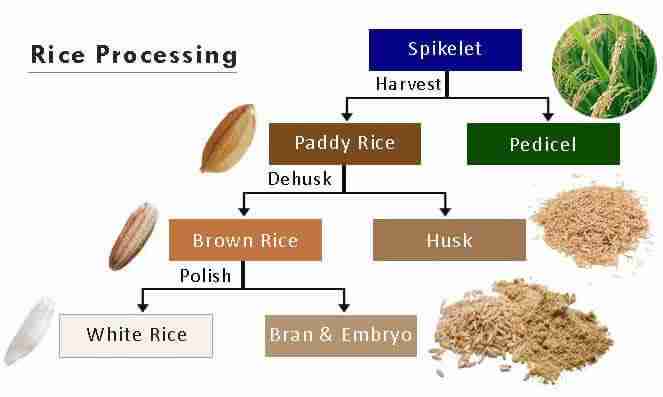
Once the rice is harvested, the transformation continues through the various stages of processing. This stage is pivotal, shaping the final product that reaches our plates. Harvested rice undergoes drying, milling, and packaging, which is vital to enhance flavor and ensure preservation. Here are some key processes involved:
| Processing Stage | Description |
|---|---|
| Drying | Reducing moisture content to prevent spoilage. |
| Milling | Removing the husk and bran layers to produce white rice. |
| Polishing | Enhancing the appearance and texture of the rice. |
| Packaging | Sealing the rice for distribution and retail. |
As with any culinary art, the essence of rice creation lies in the finely tuned balance between traditional practices and contemporary innovations, ensuring that every grain carries a story from field to fork.
Decoding the Rice Processing Technique: Mechanization and Traditional Methods
The journey of rice from paddy fields to our plates is a blend of tradition and innovation, each playing a pivotal role in shaping the narrative of this essential staple. Traditional processing methods often involve labor-intensive techniques, highlighting cultural heritage and community practices. These methods include manual harvesting, water soaking, and sun drying, each stage meticulously executed to preserve the flavor and nutrition of the grain. While labor-intensive, these techniques provide not only sustenance but also maintain a connection to ancestral agricultural practices that have been honed over centuries.
On the other hand, mechanization has brought transformative changes, enhancing efficiency and scalability in rice processing. Modern techniques utilize advanced milling machines, automated drying systems, and packaging solutions, streamlining the processing experience and significantly reducing post-harvest losses. By employing technology, producers can better meet the rising demand for rice, while also ensuring a higher quality product. Here’s a comparison of both methods:
| Aspect | Traditional Methods | Mechanized Methods |
|---|---|---|
| Efficiency | Time-consuming | High throughput |
| Labor | Manual labor-intensive | Less manual labor required |
| Flavor Preservation | Retains traditional flavors | Standardized flavor, quality control |
| Cost | Lower initial investment | Higher upfront costs, but lower operational costs |
Ultimately, the choice between mechanization and traditional processing methods often depends on regional priorities, available resources, and the desired end product. Striking a balance between both can promote sustainability while honoring the rich tapestry of rice cultivation, crafts, and culinary delights across diverse cultures. This merging of old and new techniques ensures that rice continues to be an integral part of diets worldwide, celebrated for both its cultural significance and nutritional value.

Nutritional Transformation: Understanding the Health Benefits of Well-Processed Rice
The journey of rice from paddy fields to the dining table is not merely a tale of agriculture; it is a narrative steeped in health benefits, especially when rice is well-processed. Well-processed rice retains vital nutrients that contribute to a balanced diet. Unlike its less processed counterparts, which may have lost valuable components during the milling process, appropriately processed rice varieties such as brown or parboiled rice contain essential nutrients that support bodily functions. These methods of processing not only enhance the nutritional value but also improve the texture and flavor, making them a healthier choice for consumers.
Key health benefits of well-processed rice include:
- Fiber Content: Whole grain and brown rice are excellent sources of dietary fiber, promoting digestive health and aiding in weight management.
- Vitamins and Minerals: Rich in B vitamins and minerals like magnesium and iron, these rice variants contribute to energy metabolism and overall well-being.
- Low Glycemic Index: Certain types of processed rice have a reduced glycemic index, making them suitable for maintaining stable blood sugar levels.
| Type of Rice | Fiber (g per 100g) | Minerals | Glycemic Index |
|---|---|---|---|
| Brown Rice | 3.5 | High in Magnesium | 50 |
| Parboiled Rice | 1.8 | Rich in Iron | 55 |
| White Rice | 0.4 | Low in Nutrients | 72 |
By choosing well-processed rice options, consumers can enhance their diet while enjoying the multifaceted flavors and textures that this staple food has to offer. Not only does such rice provide essential nutrients, but it also embodies a commitment to healthier eating practices, emphasizing the importance of quality in agricultural processes.
Elevating Your Culinary Experience: Tips for Selecting and Preparing Quality Rice
Embarking on a culinary journey begins with the essential choice of ingredients, and rice is a fundamental component in global cuisines. To truly elevate your dishes, it’s crucial to select quality rice that suits the texture and flavor profile you desire. When shopping, keep an eye out for the following aspects:
- Type: Different varieties like Basmati, Jasmine, or Arborio each bring unique aromas and flavors.
- Grain Quality: Look for whole grains that are uniform in size without cracks or discoloration.
- Packaging: Ensure the rice is stored in airtight containers, protecting it from moisture and pests.
Quality rice not only affects the taste but also impacts the overall presentation of your dishes.
Once you’ve selected the perfect rice variety, the next step is in its preparation. Rinsing is an often-overlooked step that significantly enhances the final dish. Make sure to rinse the grains thoroughly to remove excess starch and any residual impurities. Follow these basic cooking methods to achieve impeccable results:
- Absorption Method: Combine rice with water in a pot, bring to a boil, then simmer until water is absorbed.
- Steaming: This technique retains more nutrients and delivers a fluffier texture, ideal for delicate dishes.
- Rice Cooker: A fool-proof way to achieve consistent results with minimal effort.
A well-cooked grain serves as the foundation of many dishes, promising an exquisite dining experience.
The Conclusion
As our journey from paddy to plate comes to a close, we find ourselves reflecting on the intricate world of rice processing—a process often overlooked yet teeming with artistry and precision. Each step, from harvesting the golden grains to the meticulous cleaning and milling, reveals a rich tapestry that underscores the connection between agricultural labor and culinary delight.
In this exploration, we’ve unveiled the craftsmanship that transforms humble paddy fields into versatile rice dishes cherished across cultures. Whether it’s the fragrant jasmine rice of Southeast Asia or the hearty arborio for risotto, the journey of rice is a testament to the blend of tradition, innovation, and sustainability.
As you savor your next bowl of rice, take a moment to appreciate the hands that nurtured the crop, the technology that refined it, and the shared stories that it continues to inspire. With every grain, you’re not just tasting a meal—you’re ingesting history, culture, and the promise of community. So, the next time you sit down to enjoy rice on your plate, remember that it’s not just a side dish; it’s a celebration of nature’s bounty and human ingenuity.
Thank you for joining us on this exploration from paddy to plate. May your culinary experiences continue to be as rich and varied as the grains that grace your table. Bon appétit!




