
From Paddy to Plate: The Art and Science of Rice Processing
In a world where culinary traditions dance harmoniously with agricultural innovations, rice stands as a testament to both artistry and science. This humble grain, a staple for half of the globe’s population, has a journey that begins far removed from its role on our plates. Nestled in lush paddies, rice undergoes a meticulous transformation—a process that marries time-honored techniques with cutting-edge technology. From the rhythmic swaying of golden stalks ready for harvest to the intricate machinery that polishes grains to perfection, the path from paddy to plate is one of profound significance. In this exploration, we delve deep into the mastery behind rice processing, unraveling the methods and marvels that ensure this essential food source maintains its quality, flavor, and nutritional value, all while celebrating the cultural identities it nourishes worldwide. Join us as we uncover the rich tapestry of rice processing, where each step is a blend of heritage and innovation, culminating in the grains that grace tables across continents.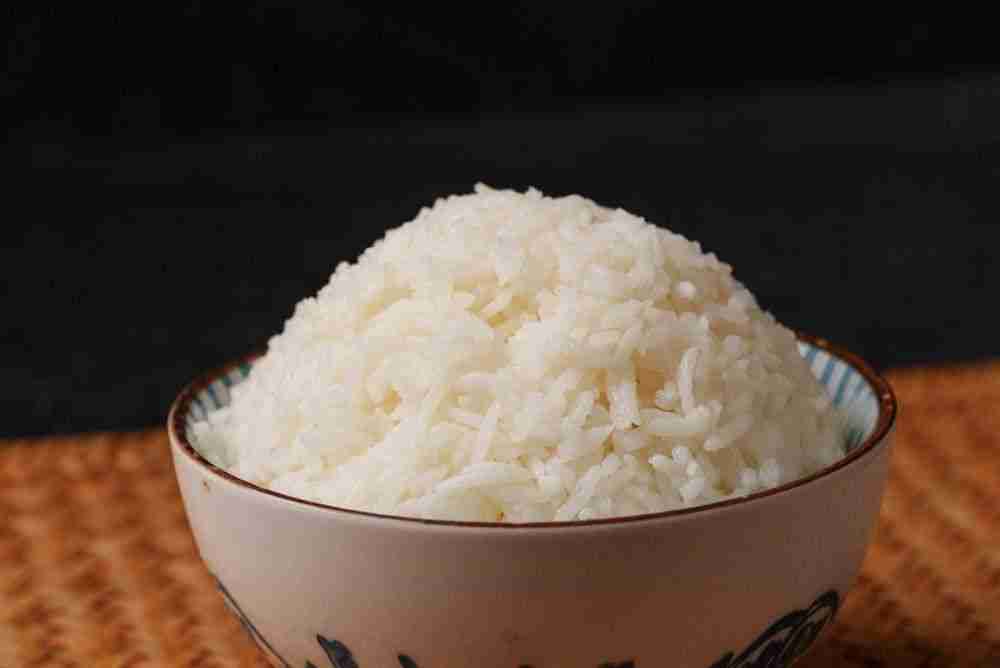
Exploring the Journey of Rice from Field to Fork
The journey of rice is a remarkable fusion of agricultural tradition and modern technology. It begins with the careful planting of rice seeds in nutrient-rich paddies, often submerged in water to promote healthy growth. Farmers cultivate various rice strains, each with unique characteristics, whether for aroma, texture, or flavor. The cultivation phase culminates in harvesting, where robust machinery or skilled hands collect the golden grains. Post-harvest, the rice enters a critical phase of processing, where meticulous steps are taken to ensure it is safe, edible, and palatable.
In processing facilities, rice undergoes several stages to transform from its raw form to a polished product ready for consumers. The first step is threshing, where grains are separated from the husk. Following this, drying reduces moisture content to enhance shelf life. Next, the rice is milled, removing the outer bran layer, resulting in white rice that is often favored for its subtle taste. To better understand the transformation, here’s a quick overview of the processing stages:
| Processing Stage | Description |
|---|---|
| Threshing | Separation of grains from stalks |
| Drying | Reducing moisture to ensure longevity |
| Milling | Removal of bran for white rice |
After milling, rice is often subjected to polishing, which enhances its appearance and shelf stability. Nutritional fortification can also be added at this stage, ensuring consumers benefit from essential vitamins and minerals. the rice is packaged and transported, ready to grace tables around the world, transforming meals and cultures. Every grain carries a storied past, showcasing the art and science behind one of humanity’s oldest and most cherished foods.

Understanding the Essential Processing Techniques for Quality Grain
Processing rice is an intricate blend of both art and science, where each step must be carefully executed to ensure the quality of the final product. Initial stages involve harvesting, which must be timed perfectly to guarantee optimal grain moisture content. Once harvested, the grains undergo threshing, separating them from the husks. This stage employs gentle handling techniques to prevent damage and maintain the integrity of each kernel. After threshing, drying becomes essential, as proper moisture levels are crucial in preventing spoilage. The grains need to be dried uniformly, and during this process, various methods such as sun-drying or mechanical drying are used, each with its benefits tailored to specific rice varieties.
Moving forward, the journey toward achieving premium quality rice leads to milling, where the outer hulls and bran layers are removed. This stage significantly influences the flavor, texture, and nutritional profile of the rice. A delicate balance must be struck; while removing bran enhances cooking quality, leaving some intact can enrich the rice with essential nutrients. Additionally, polishing is often employed to enhance the aesthetic appeal, creating that striking white appearance many consumers favor. However, polishing must also be executed with care, as over-polishing may strip the rice of its nutritional benefits. The final steps involve packaging and storage—critical processes that safeguard quality by ensuring the rice is protected from moisture, pests, and spoilage, ultimately leading to a product ready for the table.
| Processing Technique | Description | Impact on Quality |
|---|---|---|
| Harvesting | Timing the harvest to achieve optimal grain moisture | Reduces spoilage risks |
| Drying | Even moisture reduction to prevent mold | Presents fresh, quality grains |
| Milling | Removal of hulls and bran layers | Affects flavor and nutritional content |
| Packaging | Protects grains from external factors | Maintains freshness and quality |
Nutritional Benefits of Proper Rice Handling and Cooking
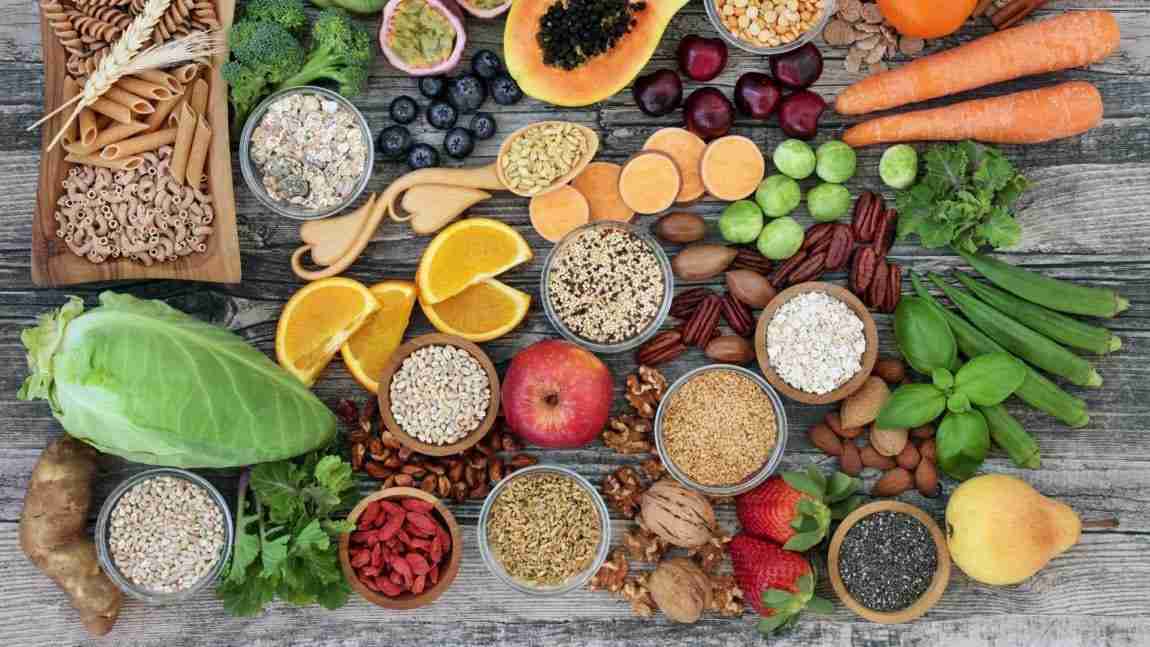
Proper handling and cooking techniques for rice are essential not only to enhance flavor and texture but also to maximize its nutritional offerings. When rice is processed with care, it retains a more substantial amount of essential nutrients, including vitamins and minerals. Here are some key nutritional benefits associated with good rice practices:
- Mineral Retention: Proper washing and soaking can help reduce phytic acid levels, which inhibit mineral absorption. This process makes nutrients like iron, zinc, and magnesium more bioavailable.
- Enhanced Fiber: Whole grain rice varieties, such as brown or wild rice, retain their bran layer, providing dietary fiber that is crucial for digestive health and can help regulate blood sugar levels.
Moreover, the cooking method selected can greatly influence the nutritional density of rice. Techniques such as steaming or boiling in measured amounts of water can preserve key nutrients, unlike methods involving excessive water or high heat. Consider the following advantages associated with thoughtful cooking practices:
| Cooking Method | Nutritional Impact |
|---|---|
| Steaming | Retains higher levels of vitamins, especially B vitamins. |
| Boiling | Can result in nutrient loss if excess water is used; use minimal. |
| Microwaving | Quick cooking time preserves nutrients effectively. |
Sustainable Practices in Rice Cultivation and Processing
In the journey from field to fork, adopting is essential for ensuring both environmental health and food security. Crop rotation and intercropping techniques not only enhance biodiversity but also improve soil fertility, reducing the need for chemical fertilizers. By employing methods such as direct seeding and water-saving irrigation technologies, farmers can minimize their water footprint, conserving precious resources in regions often plagued by drought. Additionally, incorporating organic farming practices, such as using natural pest control methods and cover crops, fosters a healthier ecosystem, encouraging beneficial insects and microorganisms.
Processing is equally critical in the sustainability narrative. Innovative approaches in post-harvest processing, such as solar drying and modern milling techniques, help maintain the quality of rice while reducing energy consumption. Emphasizing minimal waste by reusing by-products, such as rice husk for biomass energy or compost, not only supports a circular economy but also mitigates environmental impact. Below is a simple representation of the key sustainable practices adopted across various stages of rice cultivation and processing.
| Stage | Sustainable Practice | Benefit |
|---|---|---|
| Cultivation | Crop Rotation | Enhances soil fertility |
| Cultivation | Water-saving Irrigation | Conserves water resources |
| Processing | Solar Drying | Reduces energy consumption |
| Processing | By-product Reuse | Minimizes waste and encourages recycling |
Insights and Conclusions
As we conclude our journey from paddy to plate, the intricate dance of art and science in rice processing comes into sharp focus. This staple grain, cherished across cultures and continents, embodies not only nourishment but also a rich tapestry woven from tradition, innovation, and meticulous craftsmanship.
From the lush paddy fields where each grain begins its life, to the sophisticated processing techniques that enhance flavor and texture, the journey of rice is a testament to human ingenuity and the deep-rooted connections we share with the earth. Through careful cultivation and processing, rice transcends mere sustenance, becoming a symbol of heritage and identity, ready to grace our tables in countless forms.
As you savor your next bowl of rice, remember the stories it carries — the hands that tended the fields, the science guiding its transformation, and the culinary artistry that brings it to your plate. In appreciating the nuances of this humble grain, we celebrate not just a food source, but a universal thread that links us all. So, let us continue to explore and honor the elegant relationship between land and table, recognizing that with each bite, we partake in a rich legacy shaped through time and culture.




