
From Grain to Gourmet: Unveiling the Rice Processing Journey
In the world of culinary arts, few ingredients can evoke as much versatility and comfort as rice—a staple that transcends cultures and continents. Yet, what many may take for granted is the intricate journey that transforms humble grains into the glossy, fragrant rice we know and love. From the verdant paddies where it is cultivated to the meticulous processing lines that refine it, the path of rice is a fascinating tale of tradition and innovation. This article invites you to explore the complex stages of the rice processing journey, illuminating the processes that enhance its quality, flavor, and nutritional value. Join us as we delve into the labor of love behind each grain, celebrating the craftsmanship that elevates a simple staple into a gourmet experience.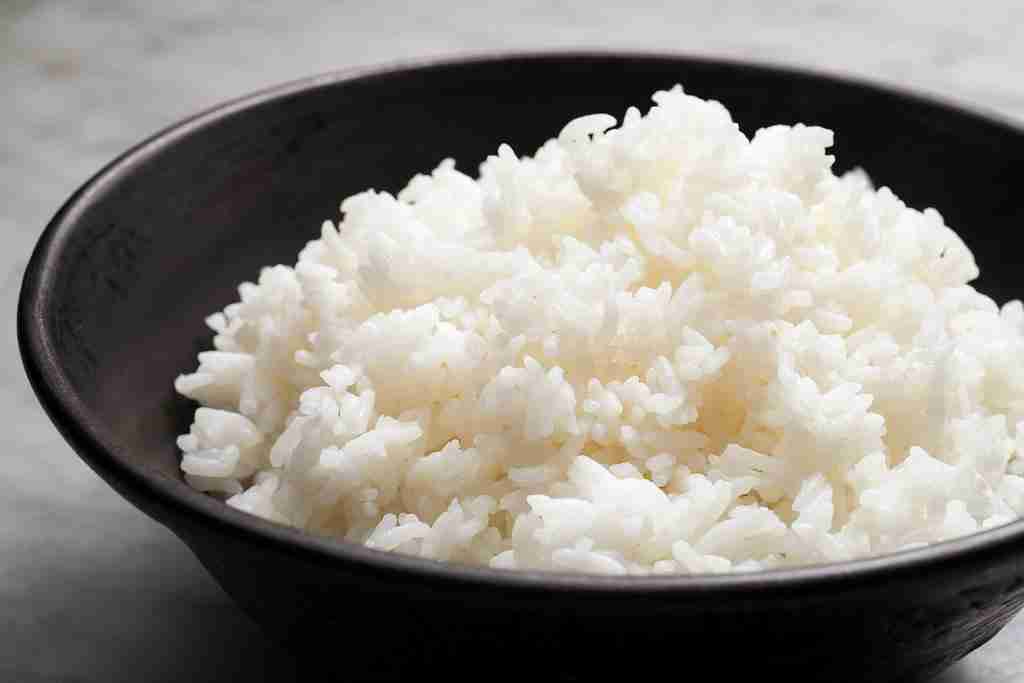
The Art and Science of Rice Cultivation
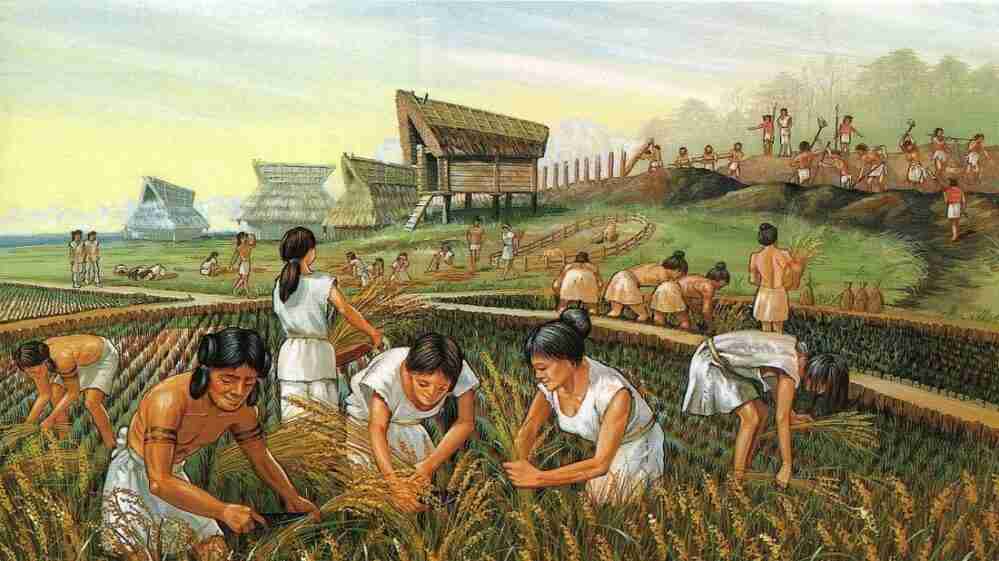
Rice cultivation is a delicate fusion of artistry and science, where traditional methods converge with modern techniques to produce one of the world’s most cherished staples. Farmers harness the rhythms of nature, skillfully blending soil management and water control to create an environment conducive for rice growth. The meticulous process begins with the selection of seed varieties, which is crucial to achieving optimal yields. Each farmer curates their choice based on factors such as climate, soil type, and the desired quality of the final product. This thoughtful selection sets the stage for thriving rice paddies that promise bountiful harvests.
Visual cues play an essential role throughout the cultivation process, as farmers monitor the health of their crops, adjusting methods based on growth stages. The establishment of proper irrigation is paramount; it not only nurtures the plants but also aids in weed management and pest control. Additionally, natural fertilizers may be applied to enrich the soil, enhancing the quality of the rice. The following considerations encapsulate this intricate journey:
- Seed Selection: Choosing the right variety tailored to specific conditions.
- Irrigation Systems: Implementing efficient water management practices.
- Pest and Weed Control: Balancing ecological health while safeguarding the crop.
- Harvest Timing: Identifying the right moment for peak quality and yield.
To further illustrate the importance of soil health in rice cultivation, consider the following comparison of various soil amendments:
| Soil Amendment | Benefits | Key Considerations |
|---|---|---|
| Organic Matter | Enhances soil structure and moisture retention | Requires regular application for best results |
| Green Manure | Improves nutrient content and suppresses weeds | Timing of incorporation is crucial |
| Mineral Fertilizers | Provides specific nutrients for growth | Overuse can damage soil health |
Each of these elements intertwines seamlessly, reflecting the profound relationship between art and science in rice cultivation, ultimately shaping the quality of the grain that will tantalize taste buds around the globe.
Transforming Harvests: The Journey Through Cleaning and Milling
The journey from paddy fields to the dinner plate is a meticulous process, embodying the essence of sustainability and tradition. Initially, harvested paddy undergoes a thorough cleaning to remove impurities, ensuring that only the finest grains proceed through the next stages. During this pivotal phase, advanced machinery plays a crucial role, using techniques such as air classification and specific gravity separation to meticulously refine the harvest. The primary focus is on achieving purity, which sets the stage for the subsequent milling process. Key steps in this cleaning phase include:
- Dehusking: Removing the hard outer shell of the paddy grain.
- Separating: Sorting out any foreign plant materials or damaged grains.
- Polishing: Enhancing the appearance of the rice for market readiness.
Once cleaned, the rice then embarks on the milling stage, transforming the dehusked grains into the polished rice that we recognize. This stage is not just about aesthetics; it also prepares the grains for longer shelf life and better cooking quality. The milling process strategically combines grinding, cutting, and polishing, adhering to specific grades that cater to various culinary preferences. With each pass through the mill, the texture and uniformity of the rice improve, creating a pristine product tailored to the diverse palates of consumers. The milling phase features:
| Milling Step | Purpose |
|---|---|
| Grind | Breaking down the grains to remove bran layers. |
| Cut | Ensuring the grains are uniform for even cooking. |
| Polish | Enhancing sheen and quality for market appeal. |
Exploring Nutritional Enhancements and Flavor Profiles
As the rice processing journey unfolds, it reveals a treasure trove of nutritional enhancements that not only nourish the body but also elevate the culinary experience. The initial stages, where brown rice remains largely unrefined, retain essential nutrients such as fiber, vitamins, and minerals. As grains are milled into white rice, a balance must be struck: while the process increases shelf life and improves texture, it does so at the cost of some nutritional value. To counteract this, modern processing techniques often incorporate fortification, adding back crucial vitamins and minerals like iron, thiamine, and folic acid, ensuring that each grain continues to contribute beneficially to our diets.
Flavor profiles, however, are not solely determined by nutrition; they are crafted through careful processing methods. Techniques such as parboiling, steaming, or even adding aromatic spices during processing unlock a multitude of tastes, transforming simple grains into culinary delights. Consider these flavor-enhancing methods:
- Parboiling – imbues the rice with a nutty flavor and increases nutrient retention.
- Infusions – incorporating spices or herbs enhances not just taste, but color and aroma.
- Fermentation – a traditional method that can introduce unique flavors and probiotics.
By thoughtfully navigating the journey from grain to gourmet, producers unlock both the subtle and striking potential of rice, creating a versatile staple brimming with flavor and nutrition.
Mastering Culinary Techniques with Gourmet Rice Varieties
The art of cooking with gourmet rice varieties transcends mere culinary practice; it transforms your kitchen into a canvas for creativity and exploration. Each type of rice offers its unique flavor profile and texture, making it essential for chefs and home cooks alike to understand how to manipulate these elements. Basmati, with its delicate aroma, shines in fragrant pilafs and biryanis, while the sticky sweetness of Jasmine rice can elevate any Southeast Asian dish. For an Italian twist, Arborio rice is key in achieving the creamy consistency of risotto, allowing you to harness its starch content for that perfect mouthfeel.
In mastering these culinary techniques, knowing the right method of cooking and pairing each rice variety is crucial. Here are some culinary tips that can enhance your mastery:
- Soaking Basmati before cooking helps elongate the grains and improve texture.
- Toasting Arborio before adding liquid releases the starchy goodness inherent in each grain.
- Steaming instead of boiling Jasmine rice preserves its subtle flavor and prevents overcooking.
- Incorporating herbs and spices based on the rice variety opens up a new dimension of flavors.
To Wrap It Up
As we conclude our exploration of the intricate path that transforms humble grains into gourmet delights, it’s evident that the journey of rice processing is a tapestry woven with tradition, innovation, and deep cultural significance. From the lush fields where rice is cultivated to the meticulous steps of milling and refining, each stage plays a crucial role in enhancing the final product.
This journey not only reflects the remarkable ingenuity of those who work tirelessly to bring rice to our tables but also invites us to appreciate the diverse flavors and culinary possibilities that rice offers. Whether served as a simple staple or a central component of an exquisite dish, rice connects us to the land, the people, and the rich history of our shared culinary heritage.
As you savor your next serving of rice, take a moment to consider the journey it has undertaken — a journey that begins with a single grain and culminates in a celebration of taste. In every bite, we find not just nourishment, but a story waiting to be told. Let it inspire you to embrace new recipes and explore the endless versatility of this beloved grain. From grain to gourmet, the adventure continues!




