
From Grain to Gourmet: The Art and Science of Rice Processing
In a world where culinary traditions are often steeped in history and innovation, few ingredients match the versatility and significance of rice. This humble grain has transcended borders, cultures, and cuisines, becoming a staple food for billions. Yet, behind every perfectly cooked grain lies a complex journey—a meticulous process that transforms raw paddy into the polished rice varieties gracing dinner tables across the globe. In this exploration of rice processing, we delve into the intricate dance of art and science, uncovering the techniques that elevate this daily staple into gourmet creations. From the moment paddy is harvested to its final presentation in exquisite dishes, join us as we unravel the meticulous craftsmanship and cutting-edge technologies that define rice’s transformation, celebrating its role not just as nourishment, but as a canvas for culinary expression.
Understanding Rice Varieties and Their Culinary Applications
The world of rice is vast and diverse, with an array of varieties that not only differ in appearance but also in texture, flavor, and culinary uses. Understanding the distinctions among these varieties can elevate both home cookery and gourmet cuisine. Long-grain rice, such as Basmati or Jasmine, is characterized by its fluffy texture and aromatic fragrance, making it perfect for dishes like pilafs and stir-fries. Conversely, short-grain varieties like Arborio or sushi rice are known for their sticky quality, ideal for risottos and sushi. Each variety brings a unique character, contributing to the overall profile of the dish.
To effectively incorporate rice into your cooking repertoire, it’s essential to understand how its processing affects its culinary application. The processing methods may include milling, polishing, and parboiling, each imparting unique qualities to the final product. For instance, parboiled rice retains more nutrients and has a firmer texture, making it suitable for hearty meals. Below is a table summarizing some popular rice varieties, their characteristics, and culinary applications:
| Rice Variety | Texture | Culinary Application |
|---|---|---|
| Jasmine | Fluffy, fragrant | Thai curry, fried rice |
| Basmati | Fluffy, nutty | Biryani, pilaf |
| Arborio | Creamy, sticky | Risotto, rice pudding |
| Sushi Rice | Sticky, short-grain | Sushi, onigiri |
| Wild Rice | Chew, nutty | Salads, soups |
The Journey of Rice Processing: Techniques and Innovations
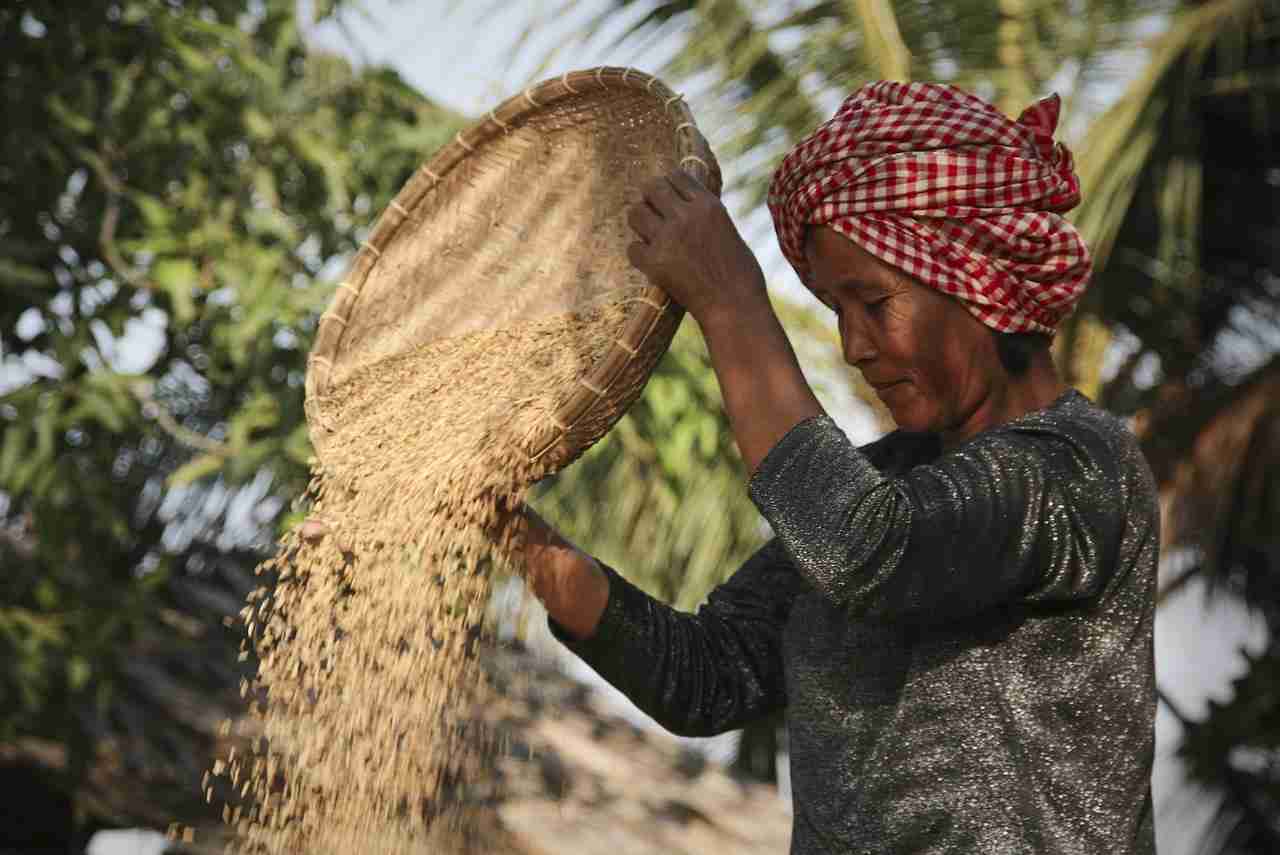
Rice processing has evolved dramatically over the centuries, transforming a simple grain into a staple revered worldwide. Traditional methods such as sun-drying and hand milling have paved the way for modern techniques, which utilize advanced machinery and technology. Innovations like hulling machines and color sorters have enhanced efficiency and safety, ensuring that impurities are removed and only the finest grains continue on their journey. The introduction of parboiling, which partially cooks the rice before milling, not only improves the nutritional profile but also alters the texture, making it firmer and less likely to break during cooking. This meticulous journey from field to plate is a careful balance of art and science, where craftsmanship meets precision.
Alongside traditional practices, new technologies have emerged. Genetic advancements are enabling the cultivation of rice varieties that are resilient against climate change and pests. Meanwhile, innovations in packaging have enhanced the rice storage life, utilizing materials that maintain freshness and flavor longer. Quality control has adhered to rigorous standards, ensuring that consumers enjoy rice that retains its inherent qualities. To illustrate the impact of modern processing techniques, consider the following table that highlights key processing methods alongside their benefits:
| Processing Method | Benefits |
|---|---|
| Hulling | Removes the outer husk, improving usability |
| Polishing | Enhances appearance and texture of grains |
| Parboiling | Increases nutritional value and reduces cooking time |
| Color Sorting | Eliminates defects and ensures quality |
Crafting Flavor: The Role of Milling and Quality Control
The journey from grain to gourmet hinges significantly on the processes of milling and stringent quality control. Milling transforms whole grains into polished rice, a dance between precision and tradition. During this delicate process, the outer bran layers are removed to achieve the desired texture and taste. Factors such as moisture content, grain size, and milling speed play pivotal roles in determining the final flavor profile. An ideal milling approach balances the retention of nutrients and enhancement of palatability, allowing the true essence of the rice variety to shine.
Quality control emerges as the guardian of these culinary treasures, ensuring consistency and excellence in every batch. Techniques employed include rigorous sensory evaluations, where trained experts assess the aroma, taste, and texture of the rice. This is complemented by laboratory testing, scrutinizing key components such as protein levels and starch characteristics. Both measures not only safeguard the rice’s quality but also foster an engaging experience for chefs and home cooks alike. A well-structured quality assurance plan incorporates:
- Routine Sampling: Collecting samples periodically for analysis.
- Visual Inspection: Checking for color consistency and absence of impurities.
- Consumer Feedback: Gathering insights on preferred taste and texture.
Sustainable Practices in Rice Production and Processing
Embracing not only enhances the quality of the grain but also reinforces environmental accountability. One of the aforementioned practices includes crop rotation, which disrupts pest cycles and enhances soil fertility. By alternating rice with nitrogen-fixing crops, farmers can minimize chemical reliance and promote biodiversity. In addition, water management techniques, such as alternate wetting and drying (AWD), help reduce water usage and greenhouse gas emissions, ensuring that resources are used wisely while sustaining yield levels. Aprovechando la tecnología moderna, los agricultores también están adoptando soluciones como los sistemas de información geográfica (SIG) para monitorear la salud del suelo y mejorar la eficiencia de la producción.
The processing stage also undergoes a transformation through sustainable methods that prioritize efficiency and waste reduction. Energy-efficient milling technologies are gaining traction, allowing processors to minimize energy consumption while producing high-quality rice. Additionally, the use of by-products such as husks for bioenergy or as organic fertilizers illustrates a comprehensive approach to sustainability. Here’s a brief overview of how these practices interplay:
| Sustainable Practice | Benefits |
|---|---|
| Crop Rotation | Enhances soil fertility, reduces pest infestations. |
| Alternate Wetting and Drying (AWD) | Reduces water usage, lowers methane emissions. |
| Energy-efficient Milling | Cuts energy consumption, improves processing quality. |
| Utilization of By-products | Minimizes waste, creates alternative revenue streams. |
In Summary
As we conclude our journey through the intricate world of rice processing, it becomes clear that this staple grain is far more than just a mere component of our meals. From the lush paddies where it begins its life cycle to the meticulous steps of milling and refinement, rice embodies a harmonious blend of art and science. The techniques employed in its transformation not only preserve its nutritional integrity but also elevate it to gourmet status, revealing a culinary potential that transcends cultural boundaries.
In appreciating the craftsmanship behind every grain, we can better understand the dedication of farmers and processors who bring this humble food from the fields to our tables. As we savor each dish, let us recognize the journey it undertook, and celebrate the diverse traditions that honor rice not just as a food source, but as a canvas for creativity, innovation, and connection. With every bite, we partake in a legacy that has nourished civilizations for centuries—a testament to the enduring relationship between nature, culture, and cuisine. So let us continue to explore, experiment, and enjoy the many ways we can indulge in rice’s rich tapestry, one grain at a time.




