
From Field to Plate: The Journey of Rice Processing
In the heart of lush green fields, where the sun kisses the earth and whispers of ancient traditions intertwine with modern practices, a humble grain begins its remarkable journey. Rice, a staple food for more than half of the world’s population, travels a long and intricate path before it graces our tables. This seemingly simple grain carries with it a narrative that spans across cultures, economies, and ecosystems. From the first gentle touch of a farmer’s hand as seeds are sown, to the complex machinery that transforms harvested stalks into gleaming white grains, the processing of rice is a fascinating tale of transformation. Join us as we delve into the meticulous stages that rice traverses, exploring the delicate balance between time-honored techniques and innovative technologies, and uncover how this ancient crop continues to sustain generations while adapting to the demands of our modern world.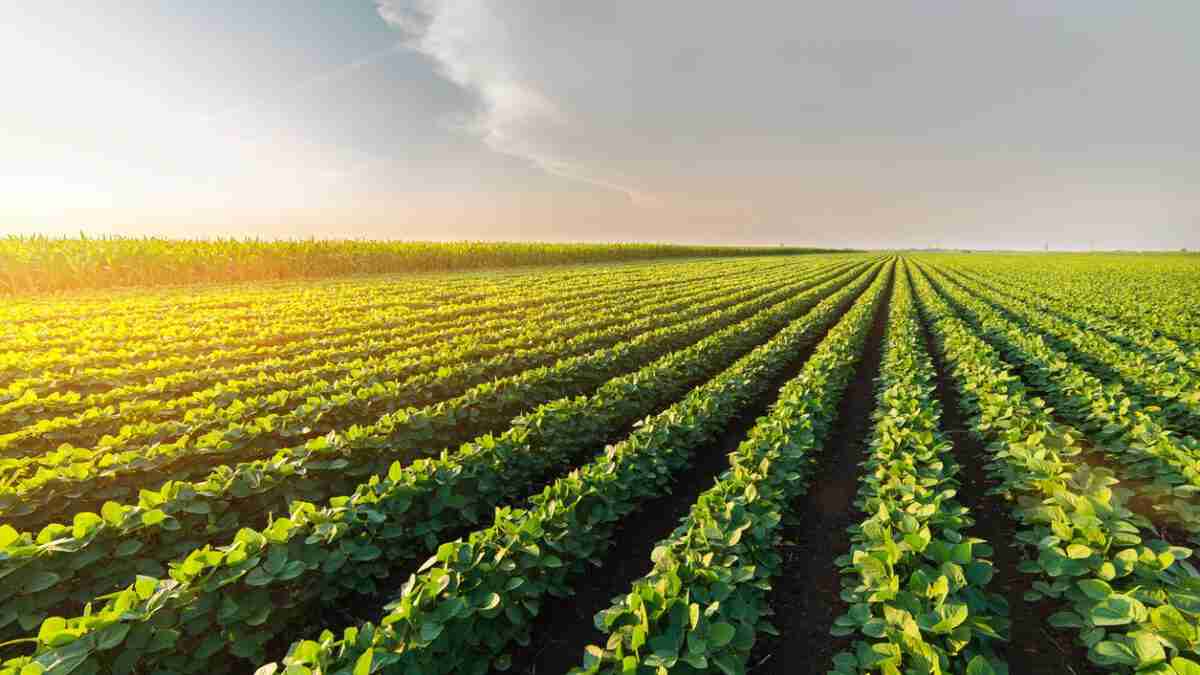
The Agricultural Foundations of Rice Cultivation
The journey of rice begins long before it reaches our plates, rooted deeply in agricultural expertise and environmental harmony. The cultivation process involves careful planning and a profound understanding of the land’s characteristics. Farmers select specific varieties of rice that thrive best in their climate, and they employ various techniques to enhance growth. Key practices include:
- Soil Preparation: Farmers till the soil, ensuring it is fertile and well-aerated, which aids root development.
- Water Management: Field flooding techniques are often utilized to improve yields while minimizing weed growth.
- Crop Rotation: This method helps maintain soil health and reduce pests, allowing rice to flourish in nutrient-rich conditions.
The role of sustainable practices in rice cultivation cannot be overstated. As the world moves towards more eco-friendly farming methods, rice farmers are adapting by integrating organic fertilizers and pest management solutions that protect both crops and biodiversity. These efforts not only support rice production but also contribute to healthier ecosystems. Some beneficial practices include:
| Practice | Benefit |
|---|---|
| Use of Cover Crops | Enhances soil structure and fertility. |
| Integrated Pest Management (IPM) | Minimizes chemical use and protects beneficial insects. |
| Water-Saving Techniques | Reduces water consumption and conserves local resources. |
Transforming Grain: The Art and Science of Rice Milling
At the heart of every grain of rice lies a fascinating transformation that melds art and science. The milling process is not merely a mechanical endeavor but a delicate choreography that ensures the preservation of flavors and nutritional value while enhancing the grains’ quality. Core stages in this metamorphosis include cleaning, husking, and milling, each requiring precision and technique. Clean grains are first separated from impurities through a meticulous purification process, followed by husking, where the outer husk is removed, revealing the treasure within. the milling stage polishes the rice, preparing it for its culinary journey.
In this intricate dance of grain processing, technology plays a pivotal role alongside traditional methods. Equipment such as rice hulling machines and milling conveyors streamline operations, allowing for efficiency without compromising quality. The effectiveness of these processes can be summarized in a simple table that highlights the key aspects of rice milling:
| Stage | Action | Outcome |
|---|---|---|
| Cleaning | Remove impurities | Pure grains |
| Husking | Remove outer husk | Brown rice |
| Milling | Polish the rice | White rice |
The culmination of these meticulous procedures results not only in a staple food but in a means to support cultures, families, and economies around the world. From the lush paddies in rural areas to the bustling kitchens of modern homes, the journey of rice processing illustrates the fusion of nature’s gifts with human ingenuity. Each spoonful carries the weight of tradition and progress, reminding us that what sustains us is nurtured through both age-old practices and innovative techniques.
Ensuring Quality: From Storage to Packaging
To maintain the integrity and quality of rice, meticulous attention is given throughout the process of storage and packaging. After harvesting, the grains are transported to storage facilities where environmental conditions are carefully controlled. Key measures include:
- Airflow Management: Proper ventilation systems in place to prevent moisture accumulation.
- Temperature Monitoring: Regular checks to ensure the storage area remains within optimal temperature ranges.
- Pest Control: Strategies implemented to deter rodents and insects from compromising the stored rice.
As rice transitions from storage to packaging, further quality control measures are vital. Packaging not only protects the grains but also preserves their freshness and nutritional value. The choice of packaging materials plays a significant role; preferences often include:
- Biodegradable Films: Eco-friendly options that reduce environmental impact.
- Vacuum Sealing: Techniques that lengthen shelf life by minimizing oxygen exposure.
- Tamper-Evident Seals: Enhancements that assure customers of product integrity.
Sustainable Practices: Reducing Waste in Rice Processing
In the quest for sustainability, the rice processing industry is adopting innovative methods to minimize waste and enhance resource efficiency. This involves integrating eco-friendly technologies, which not only reduce environmental impact but also improve operational productivity. One notable practice is the optimization of milling processes, which involves the use of advanced machinery designed to maximize the yield of edible rice while minimizing byproducts. Techniques such as wet milling and high-efficiency milling are gaining traction, allowing processors to extract more rice from each grain while generating less waste.
Another crucial aspect of waste reduction is the repurposing of byproducts. After the main cooking or milling processes, rice produces a variety of byproducts, including husks, bran, and broken grains, which often end up discarded. Instead of treating these as waste, forward-thinking processors are finding ways to recycle them into valuable products. Some common applications include:
- Rice bran oil: Extracted from the bran layer, this oil is rich in antioxidants and is widely used in cooking.
- Animal feed: Broken grains and husks can serve as nutritious feed for livestock.
- Biomass fuel: Husks can be converted into biomass energy, providing a renewable energy source for processing facilities.
Furthermore, implementing circular economy principles within the processing chain promotes sustainable practices. By viewing waste as a resource, companies can develop strategies that support not only economic viability but also environmental stewardship. The following table illustrates some key byproducts and their potential uses:
| Byproduct | Potential Use |
|---|---|
| Rice Husk | Biomass Fuel, Building Material |
| Rice Bran | Food Ingredient, Nutraceuticals |
| Broken Rice | Animal Feed, Fermented Products |
To Conclude
As we conclude our exploration of the remarkable journey of rice from field to plate, it becomes clear that this staple food embodies not just a source of nourishment, but a complex tapestry of cultivation, processing, and cultural significance. Each grain carries with it the stories of farmers tending their fields, the intricate methods of milling and sorting, and the culinary traditions that transform simple rice into cherished dishes around the world.
Understanding this journey deepens our appreciation for the food we consume daily, reminding us of the labor and care invested in every spoonful. As you engage with rice in your meals—whether it’s an aromatic basmati in a fragrant biryani or a comforting jasmine served alongside a savory stir-fry—take a moment to acknowledge the path it has traversed. From the sun-drenched paddies to the warm embrace of your plate, rice serves as a delicious reminder of our interconnectedness through food, culture, and sustainability.
So, next time you savor a bowl of rice, remember the intricate processes and the skilled hands that brought it to your table. The story doesn’t end here; it continues with every meal and every choice we make in the kitchen. Happy dining!




