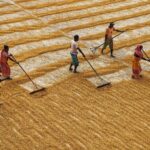
In a world where culinary traditions intertwine seamlessly with modern agricultural practices, parboiled rice stands out as a remarkable example of efficiency and innovation. This unique processing method, which pre-cooks the rice while still in its husk, not only enhances its nutritional profile but also improves its storage life and cooking qualities. as we delve into the intricate processes behind parboiled rice production, we discover a interesting blend of science and tradition that transforms a staple food into a versatile ingredient for numerous dishes across cultures. Join us on this journey to explore the efficient world of parboiled rice processing, where sustainability meets flavor, and innovation fuels tradition.
Understanding the Parboiling Process and its Benefits
The parboiling process involves three essential steps: soaking, steaming, and drying the rice before it is indeed milled. This technique, often employed to enhance the quality of rice, allows nutrients from the husk to penetrate the grain, providing a richer nutritional profile. Key benefits of parboiling include:
- Enhanced Nutritional Value: Parboiling helps retain significant vitamins and minerals, especially B-vitamins, which are often lost during conventional milling.
- Improved Texture: The steaming process gelatinizes the starches, resulting in firmer and less sticky rice when cooked.
- Reduced Cooking Time: Parboiled rice cooks faster than regular rice, making it a time-efficient choice for busy cooks.
- Extended Shelf Life: The drying phase reduces moisture content, minimizing spoilage and extending storage duration.
To illustrate the effectiveness of this processing technique, consider the following table that contrasts parboiled rice with non-parboiled rice in terms of key attributes:
| Attribute | Parboiled Rice | Non-Parboiled Rice |
|---|---|---|
| Nutritional Content | Higher Vitamin Retention | Lower Vitamin Retention |
| Cooking Texture | Fluffy & Firm | Sticky & Soft |
| Cooking time | Shorter | Longer |
| Shelf Stability | Longer | Shorter |
Key Techniques and Innovations in Rice Processing
The rice processing industry has witnessed a surge in techniques and innovations aimed at enhancing efficiency and product quality. One of the most significant advancements is the parboiling process, which entails soaking, steaming, and drying the rice prior to milling. This method not only helps retain nutrients—including vitamins and minerals—but also improves the overall texture and flavor of the cooked rice, making it a preferred choice for many consumers. The technique ensures that rice grains remain intact and less prone to breakage during milling, thus maximizing yield.Aside from parboiling,other innovations such as floating bed dryers and penetrating steam systems have revolutionized the drying process,optimizing energy consumption and minimizing post-harvest losses.
Moreover, advancements in automation and digital technology have made their way into rice processing plants, leading to a more streamlined operation. The integration of IoT (Internet of Things) solutions allows for real-time monitoring and predictive maintenance, significantly reducing downtime. Additionally, machine learning algorithms can predict quality outcomes based on various processing parameters, enabling producers to make data-driven adjustments. Key features of these innovations include:
- Improved Energy Efficiency: Systems designed to utilize less energy without compromising the quality.
- Enhanced Quality Control: Automated systems that ensure consistent product quality throughout the processing stages.
- Reduced Labor Costs: Automation minimizes the need for manual labor, lowering operational costs.
| Technique | Benefit |
|---|---|
| Parboiling | Retains nutrients and improves texture |
| Floating Bed Dryers | Optimizes energy use during drying |
| IoT Integration | Allows for real-time monitoring and adjustments |
Sustainability Practices in Parboiled Rice Production
in the realm of parboiled rice production, sustainability practices play a crucial role in minimizing environmental impact while maximizing quality and yield. By adopting methods that prioritize ecological balance, producers can ensure that their operations are both profitable and responsible. Key techniques include:
- Water Management: Implementing efficient irrigation systems such as drip or sprinkler irrigation reduces water wastage.
- Crop Rotation: Alternating rice with legumes and other crops enhances soil fertility and reduces pest infestations.
- Use of Organic Fertilizers: Utilizing compost and green manures promotes healthier soil without the negative effects of chemical fertilizers.
- Integrated Pest Management (IPM): Utilizing natural predators and biological controls to manage pests decreases reliance on harmful pesticides.
Moreover, processing techniques in parboiled rice production can significantly influence sustainability. The introduction of clean energy sources, such as solar or biomass, during the milling process reduces carbon footprints and energy costs.Nutritional enhancements during parboiling,such as nutrient retention techniques,contribute to food security and community health. The following table illustrates the benefits of sustainable practices in this sector:
| Practice | Benefit |
|---|---|
| Water Management | Reduces resource depletion and enhances crop resilience. |
| Crop Rotation | Improves soil health and yields over time. |
| Organic Fertilizers | Promotes environmental safety and reduces chemical dependence. |
| Clean Energy Use | Lowers greenhouse gas emissions and energy costs. |
Maximizing Quality and Yield: Best Practices for Rice Processors
To achieve optimal quality and yield in parboiled rice processing, it is essential to focus on several key best practices that streamline operations while enhancing the final product. One essential strategy is to ensure clean and high-quality paddy is sourced, as this directly influences the outcome throughout the processing stages. Additionally, maintaining precise moisture content during storage is crucial; too much moisture can lead to spoilage, while too little may result in unprocessed grains. Implementing a rigorous quality control system can help prevent defects and guarantee consistency:
- Regular inspections of raw materials
- Monitoring of processing parameters
- conducting flavor and texture tests
Another effective practice involves the integration of advanced technology in processing techniques, such as automated blanching and pressure steaming.These innovations not only improve efficiency but also enhance the nutritional profile and cooking qualities of the rice. Furthermore, investing in employee training is vital for fostering a skilled workforce capable of operating modern machinery and adhering to safety standards. Consider implementing the following:
| Training Topic | Benefits |
|---|---|
| Safety Protocols | Reduced workplace accidents |
| Machine Operation | Increased operational efficiency |
| Quality Control | Improved product consistency |
Concluding Remarks
As we conclude our exploration of the intricate world of parboiled rice processing, it becomes clear that this method is not merely a technique but a testament to the synergy of tradition and innovation. From the steaming process that unlocks the grain’s nutritional potential to the robust pathways of modern production that ensure efficiency, parboiled rice serves as a fascinating case study in agricultural advancement.
By embracing this time-honored practice, we can appreciate the journey of rice from paddy to plate, understanding the science behind every grain. The efficiency and effectiveness of parboiled rice processing not only meet today’s consumer demands but also pave the way for a more sustainable future in food production.
As we continue to seek ways to balance nutritional value with culinary appeal, let us remain mindful of the stories woven into our food systems. In the world of parboiled rice,each grain carries with it a narrative of care,commitment,and continuous evolution,inviting us to savor not just the meal on our plates but the rich tapestry of techniques and traditions that brought it to our tables.