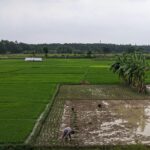
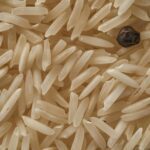
In the heart of global agriculture lies one of the world’s moast essential staples: rice. As nations strive to meet the demands of growing populations and navigate the challenges of climate change, the efficiency of rice processing becomes ever more critical. Behind the scenes, a complex orchestration of technology and innovation powers this vital industry.”Enhancing Efficiency: The Science of Rice Processing Equipment” delves into the cutting-edge machinery and techniques that are revolutionizing how rice is processed, from harvest to packaging. By examining the scientific principles that underpin these advancements, we can gain a deeper understanding of how they not only enhance productivity but also contribute to sustainability. Join us as we explore the mechanics of modern rice processing and uncover the secrets that set the stage for a more efficient future in food production.
Understanding Rice processing Technology for Optimal Yield
Rice processing technology is integral to maximizing crop yield and ensuring quality. The equipment used in this process not only aids in the change of raw paddy into marketable rice but also significantly influences efficiency and cost-effectiveness.Understanding the various stages—hulling,milling,and grading—is essential for optimizing these operations. Key components like paddy separators, de-stoners, and milling machines play distinct roles in achieving high purity and overall yield. Moreover, advancements in technology, such as automatic grain dryers and digital monitoring systems, are revolutionizing the way rice is processed, allowing for real-time adjustments that enhance productivity.
To appreciate the impact of these technologies, consider the following factors that influence processing efficiency:
- Quality of Equipment: High-quality machines reduce breakage and improve yield.
- automation: Automated systems minimize human error and streamline operations.
- Maintenance: Regular maintenance enhances the longevity and performance of machinery.
- Research and Advancement: Continuous innovation leads to more efficient processing solutions.
| Stage of Processing | Equipment Used | Key Benefit |
|---|---|---|
| Hulling | Paddy Separator | Improves overall yield |
| Milling | Milling Machine | Enhances rice quality |
| Grading | Grain Sorter | Ensures uniformity |
Innovative Machinery: Transforming Traditional Methods into Modern Solutions
The integration of advanced machinery into rice processing has led to significant improvements in operational efficiency, allowing traditional methods to be reimagined through the lens of modern technology. High-capacity huskers,automated sorting machines,and precision milling units are not just enhancing productivity; they are reshaping the entire workflow of rice processing. With the ability to process greater volumes in a fraction of the time, these machines reduce labor costs while together increasing output.This transformation is characterized by a shift towards precision agriculture practices, were every grain matters, and the quality of the end product is prioritized.
In addition, the environmental impact of rice processing is being addressed with innovative machinery. Features such as energy-efficient motors and waste-recycling systems minimize ecological footprints while maximizing resource utilization. By adopting cutting-edge technologies, producers are also able to monitor their operations in real-time, leading to informed decision-making that enhances openness in supply chains. Consider the following table illustrating key advancements and their benefits:
| Machine Type | Key Benefits |
|---|---|
| High-Capacity Husker | Increases throughput; reduces time |
| Automated Sorter | Ensures quality; minimizes human error |
| Precision Miller | Enhances grain quality; reduces waste |
| Energy-Efficient Motor | Reduces energy consumption; eco-friendly |
quality Control Mechanisms in Rice Processing: Ensuring Consistency and Purity
In the intricate world of rice processing, maintaining high standards of quality is paramount. This necessitates the implementation of robust mechanisms designed to uphold consistency and purity throughout the production cycle. Key techniques employed in quality control include visual inspection, laboratory analysis, and automated sorting systems. These processes help identify contaminants, assess grain size, and ensure moisture content falls within acceptable limits, thereby reducing the risk of spoilage. Moreover, advanced technologies such as machine vision and near-infrared spectroscopy have revolutionized the ability to detect impurities and assess the quality of rice in real time, ensuring that only the best grains are packaged for consumers.
Moreover, establishing a comprehensive quality management system is critical for triumphant rice processing. This can include regular audits, tracking of processing parameters, and training personnel on best practices. By fostering a culture of quality within processing facilities, producers can guarantee that their rice is consistently delivered to market at the highest standards. Below is a simplified overview highlighting the main components of an effective quality control mechanism:
| Component | Purpose |
|---|---|
| Visual Inspection | Detects visible defects and inconsistencies. |
| Laboratory Analysis | Measures moisture,size,and contaminant levels. |
| Automated Sorting | Enhances purity by separating high-quality grains. |
| quality Audits | Ensures adherence to industry standards and regulations. |
Sustainable Practices in Rice Processing Equipment: Balancing Efficiency and Environmental Impact
In the ever-evolving landscape of agricultural technology, the integration of sustainable practices in rice processing equipment plays a crucial role in ensuring both operational efficiency and minimal environmental impact. Modern processing machines are designed not only to enhance productivity but also to reduce energy consumption and waste generation. By utilizing energy-efficient motors and advanced processing techniques, manufacturers can significantly decrease the carbon footprint associated with rice milling. Additionally, these technologies allow for the recycling of byproducts like husk and bran, converting waste into valuable resources such as biofuel and animal feed.
Moreover, the adoption of eco-friendly materials in machine construction and the implementation of closed-loop systems help in conserving water and reducing chemical usage throughout the processing stages. Processors are encouraged to consider the lifecycle of their equipment; from sourcing sustainable materials to efficient operation and end-of-life disposal, every step can contribute to a greener future. The advancements in technology are paving the way for a significant transformation in the industry, where economic viability and ecological obligation go hand in hand.
| Aspect | Traditional Methods | Sustainable Practices |
|---|---|---|
| Energy Consumption | High | Reduced |
| Waste generation | Significant | Minimized |
| Water Usage | Excessive | Conserved |
| Product Quality | Inconsistent | Improved |
To Conclude
the world of rice processing is not just about grains; it’s a dynamic interplay of technology, science, and tradition. As we’ve explored, the advancements in rice processing equipment are instrumental in enhancing efficiency and ensuring that this staple food meets the growing demands of a global population. From innovative milling techniques to automated sorting systems, each development contributes to a more sustainable and productive rice industry.
as we look to the future, it is clear that the ongoing refinement of these technologies holds the promise of not just improved yields, but also a more significant impact on food security. By investing in better processing solutions, we are not merely streamlining production; we are nurturing the roots of countless culinary traditions and ensuring that rice continues to nourish generations to come. As the grains are transformed from field to table, the science behind the process remains a key ingredient in the recipe for success.