
In the heart of many kitchens around the world lies a humble staple that nourishes billions: rice. This versatile grain serves as a canvas for diverse culinary creations, but before it graces our plates, it undergoes an intricate transformation. Central to this process is the rice milling machine—the unsung hero that unlocks the grain’s potential. As the demand for high-quality rice continues to rise, understanding the essentials of these machines becomes paramount. In this article, we will delve into the mechanisms that power rice milling, explore various types of machines, and highlight the pivotal role they play in ensuring that every grain is processed to perfection. Join us as we uncover the secrets behind this essential agricultural technology, revealing how it shapes both industry and our everyday meals.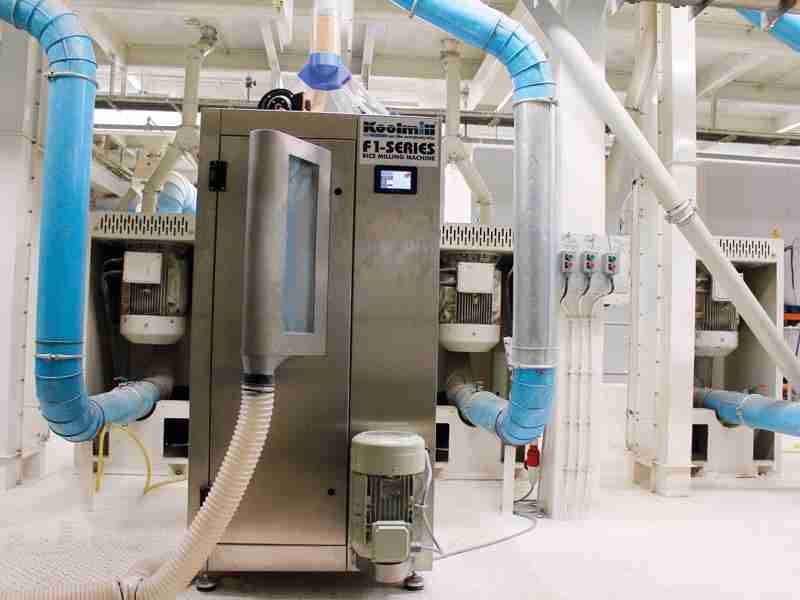
Understanding Rice Milling Machines and Their Importance
Rice milling machines play a crucial role in transforming paddy into polished rice, the staple food for billions around the globe. These machines streamline the entire process, making it efficient and cost-effective. The significance of this technology extends beyond mere grain processing; it ensures quality, reduces waste, and enhances shelf life. With their intricate design and various components, rice milling machines perform several tasks in a single cycle, including husking, whitening, and classifying. The advantages of utilizing advanced milling technology include:
- Improved Efficiency: Modern machines operate at high speeds, significantly increasing output.
- Consistent Quality: Precise adjustments ensure uniformity in grain size and color.
- Reduced Labor Costs: Automation minimizes the workforce needed in the milling process.
Understanding the different types of these machines is essential for mill owners and operators. Generally, machines are categorized based on their construction and capability, such as traditional and modern milling systems. Each type comes with distinct features and benefits tailored to various operational needs. Below is a simple comparison highlighting the key aspects of these types:
| Type | Features | Benefits |
|---|---|---|
| Traditional | Manual operation, basic husking | Low cost of entry, simple to use |
| Modern | Automated, high-tech sensors | Higher efficiency, consistent output quality |

Key Components and Features to Look for in Milling Equipment
When considering rice milling machines, it’s crucial to evaluate the core components that contribute to efficient operation and grain quality. A robust milling machine should feature a high-quality husker, which separates the husk from the rice effectively, minimizing grain breakage. Additionally, a paddy separator ensures that only the finest grains are milled, removing impurities and reducing waste. Other essential features include polishing machines that enhance shine without compromising integrity, as well as grinding mechanisms that provide uniform texture for better cooking results. Furthermore, energy efficiency should not be overlooked; machines equipped with modern motor technology can significantly reduce operational costs.
Another aspect to consider is the machine’s user interface and automation capabilities. Modern milling equipment often includes advanced controls that enable operators to oversee various stages of the process effortlessly. A reliable machine will offer self-cleaning functions, reducing downtime and maintenance costs. To aid in decision-making, here’s a simple comparison of critical features:
| Feature | Description | Importance |
|---|---|---|
| Husker Type | Quality of husker impacts grain integrity | High |
| Paddy Separator | Removes impurity effectively | High |
| Energy Efficiency | Reduces operational costs | Medium |
| Automation | Simplifies operator experience | Medium |

Optimizing Efficiency and Output in Rice Processing
To achieve peak performance in rice processing, it is essential to focus on several key areas that can significantly enhance operational efficiency. First, the selection of machinery plays a pivotal role. Utilizing advanced milling machines that incorporate state-of-the-art technology can streamline output while minimizing energy consumption. In addition, regular maintenance of these machines is not only crucial for longevity but also ensures they operate at maximum capacity, reducing downtime. Moreover, investing in automated systems can lead to remarkable improvements in both speed and consistency, offering a competitive edge in today’s fast-paced market.
Another vital aspect is the design and layout of the processing plant. A well-organized facility promotes smoother workflow and minimizes logistical delays. Implementing an efficient layout that facilitates easy access between different processing stages, such as cleaning, milling, and packaging, is fundamental. Additionally, integrating real-time monitoring systems can help track performance metrics, enabling quicker adjustments to enhance productivity. Below is a simple overview of recommended practices:
| Practice | Benefit |
|---|---|
| Regular Machine Maintenance | Minimized Downtime |
| Automated Systems | Increased Speed & Consistency |
| Efficient Layout Design | Improved Workflow |
| Real-Time Monitoring | Enhanced Productivity |
Maintenance Tips for Longevity and Performance of Rice Mills
Proper maintenance of rice mills is essential for ensuring both longevity and optimal performance. Regular attention to the machine parts can drastically improve its efficiency and reduce downtime. To start, it’s vital to maintain a clean work environment around the machinery. Here are some key practices:
- Daily Cleaning: Clear away husks, dust, and debris that can accumulate, as they may affect air circulation and machine performance.
- Lubrication: Regularly lubricate the moving parts according to the manufacturer’s guidelines to minimize friction and wear.
- Belt Tension: Check and adjust the tension in the belts to avoid slippage, which can lead to loss of power and increased wear.
Additionally, it’s important to conduct scheduled inspections to identify any potential issues before they become major problems. Consider implementing a maintenance log to track repairs and upkeep. Below is a sample table illustrating key maintenance tasks and their recommended frequencies:
| Maintenance Task | Frequency |
|---|---|
| Inspect bearings and shafts | Weekly |
| Change oil and filters | Every 250 hours |
| Check electrical connections | Monthly |
| Review machine calibration | Quarterly |
Applying these maintenance strategies will not only enhance the functionality of the rice milling machines but will also contribute to a smoother operational flow and reduced costs over time.
Closing Remarks
In the world of agriculture and food production, the rice milling machine stands as a pivotal gateway, transforming the humble grain into a staple that nourishes millions. As we’ve explored the essentials of these remarkable machines, it becomes clear that they are not just tools, but essential catalysts in the journey from field to table.
From the intricacies of their design to the technological innovations that enhance efficiency, each component plays a crucial role in ensuring that rice maintains its quality while meeting the demands of a growing population. Unlocking the grain goes beyond mechanics—it’s about fostering sustainability and ensuring food security for the future.
As we conclude our exploration, it’s evident that investing in the right rice milling technology is not merely a choice but a necessity for progress in agricultural practices worldwide. By embracing these advancements, we take a step closer to a future where every bowl of rice tells a story of commitment, care, and innovation. Let us continue to celebrate and refine the art of rice milling, ensuring that this timeless staple remains accessible and nutritious for generations to come.




