
Unlocking Quality: The Complete Rice Milling Machine Guide
In an era where the quality of food production directly influences health, sustainability, and economic viability, rice milling plays a crucial role in transforming paddy into the staple that graces tables around the world. Yet, the journey from field to fork is often overlooked, buried beneath layers of complexity and machinery. Enter the rice milling machine—a remarkable contraption that, when understood and utilized correctly, can unlock the full potential of this essential grain.
In this comprehensive guide, we delve into the world of rice milling machines, demystifying their operation, technology, and maintenance. Whether you’re a seasoned miller, a farmer looking to expand your operations, or a curious enthusiast, our exploration will illuminate the vital role these machines play in ensuring the quality and integrity of rice. Prepare to embark on a journey that not only highlights the mechanics but also celebrates the artistry and science behind producing the finest rice for consumers everywhere.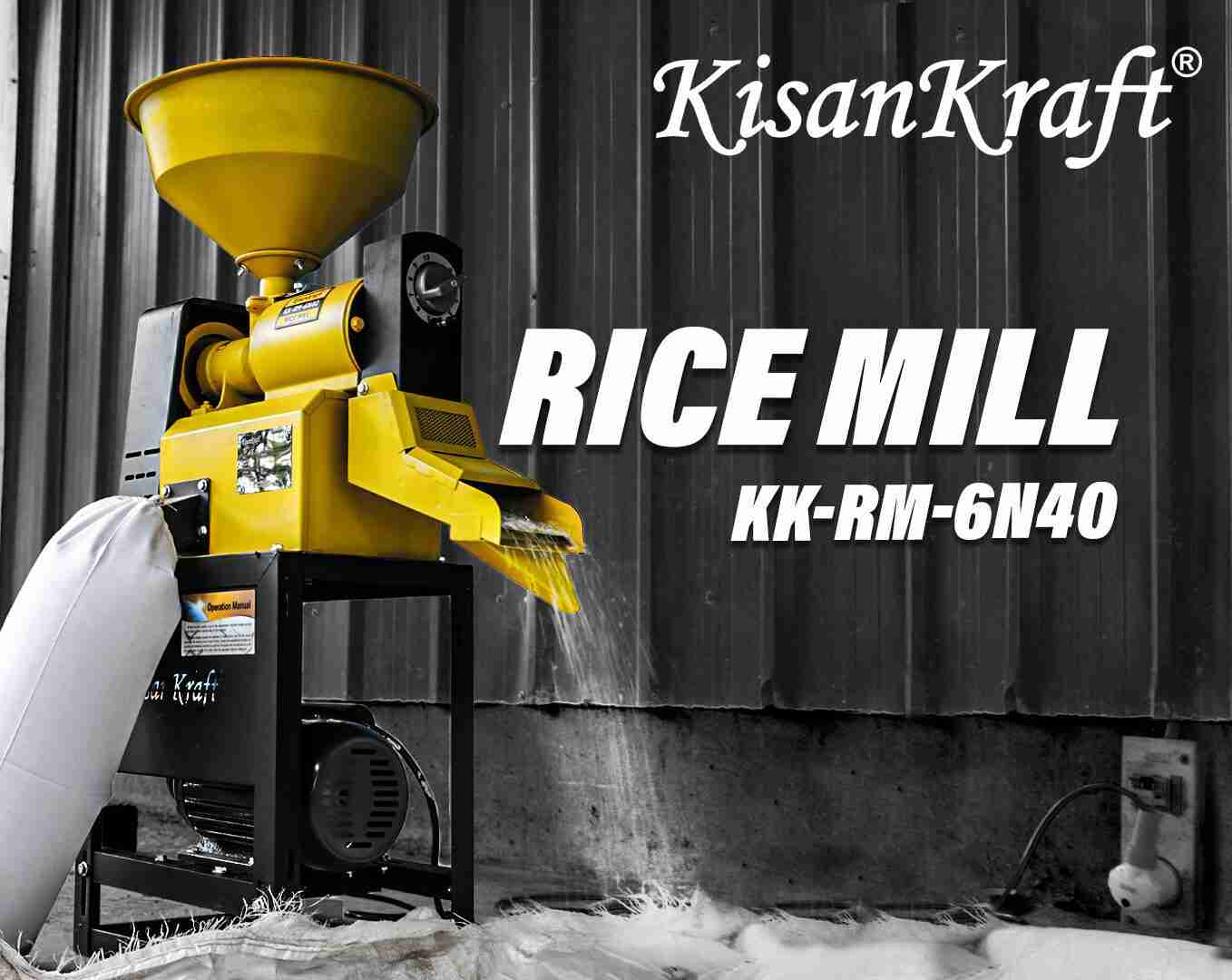
Choosing the Right Rice Milling Machine for Your Needs
When it comes to selecting a rice milling machine, understanding the specific needs of your operation is crucial. Different machines come with varying capacities, features, and technology levels. Start by considering the processing capacity you require, which is generally based on your production scale. Here are some important factors to assess:
- Volume of Rice to Process: Determine how much rice you plan to mill daily or weekly.
- End Product Quality: Identify whether you require milled rice, white rice, or parboiled rice.
- Space Considerations: Evaluate your available workspace to ensure the machine fits comfortably without disrupting workflow.
Next, pay attention to the technology and features that could impact efficiency and output quality. Modern milling machines can incorporate advanced technology like automated processing and energy efficiency. Here’s a quick comparison to guide your decision:
| Feature | Manual Milling Machine | Automated Milling Machine |
|---|---|---|
| Labor Requirement | High | Low |
| Processing Speed | Slow | Fast |
| Maintenance | Frequent | Less Frequent |
| Cost | Lower Initial Investment | Higher Initial Investment |
Ultimately, matching the rice milling machine to your operational demands can optimize production and enhance the quality of the final product. Researching various models and seeking feedback from other users in the industry can also pave the way to making an informed decision that aligns with your unique milling needs.
Understanding the Milling Process to Maximize Quality
To truly enhance the quality of rice production, it is essential to appreciate the intricate stages of the milling process. Each phase plays a pivotal role in transforming paddy into the pristine grains that consumers expect. The process begins with cleaning, where impurities such as stones, dust, and broken grains are meticulously removed. This is followed by hulling, which separates the rice from its outer husk, a step crucial for producing high-quality brown rice. The next stages, whitening and polishing, refine the grains further, emphasizing the desired appearance and texture that consumers demand. Discerning manufacturers often invest in advanced machinery that minimizes breakage and retains maximum nutrients throughout these stages.
Throughout this journey, understanding the significance of precise adjustments becomes vital. Factors such as moisture content, hull thickness, and even pressures applied during hulling can dramatically influence the end product’s quality. By employing high-tech milling equipment, processors can optimize parameters that align with their quality standards. Consider the following table, showcasing key machinery components and their influence on rice quality:
| Component | Impact on Quality |
|---|---|
| Huller | Reduces damage to grains |
| Whitener | Affects whiteness and gloss |
| Polisher | Enhances visual appeal |
| Separator | Removes broken grains effectively |
By prioritizing these elements within the milling process, producers can ensure they deliver the highest quality rice to the market. Each component of the milling machine, when optimally calibrated, contributes significantly to both the aesthetic and nutritional quality of the final product, thus meeting consumer expectations and fostering brand loyalty.

Key Features to Look for in Modern Rice Milling Equipment
Modern rice milling equipment has evolved significantly to enhance efficiency, yield, and overall grain quality. When considering the ideal milling machine, flexibility in processing different rice varieties can be a game changer. Machines that adapt to various types of paddy can help maximize your harvesting versatility and ensure a consistent output quality. Automation features are another crucial aspect; automated controls not only streamline operations but also minimize human error, increasing overall productivity. Additionally, look for machinery equipped with advanced cleaning systems. These systems effectively remove impurities and stones, ensuring that only the best grains make it through to the packaging stage.
Beyond these essentials, energy efficiency has become a pivotal criterion, reducing operational costs while promoting sustainability. Opting for mills that boast lower energy consumption while maintaining high throughput can lead to significant savings. Furthermore, consider the ease of maintenance; equipment designed for simple disassembly and cleaning will save you valuable time and reduce downtime. Lastly, it’s essential to evaluate technologies that provide real-time monitoring of milling performance, allowing for quick adjustments to optimize output quality. With these features, a modern rice milling machine can transform your production process into a seamless, efficient operation.
| Feature | Description |
|---|---|
| Flexibility | Ability to process a variety of rice types. |
| Automation | Streamlined operations with minimal human input. |
| Energy Efficiency | Reduces operational costs while maintaining high output. |
| Real-time Monitoring | Facilitates quick adjustments for optimal performance. |
Maintenance Tips for Longevity and Optimal Performance
To ensure your rice milling machine remains efficient and durable over time, regularly implementing a strategic maintenance plan is essential. Start by creating a daily checklist that encompasses the inspection and cleaning of key components, such as the roller assemblies, screens, and hoppers. Maintaining cleanliness not only enhances the functionality of the machine but also reduces wear and tear. Additionally, keep an eye on any unusual vibrations or noise, as these can indicate mechanical issues that require immediate attention. Schedule weekly and monthly deep cleanings to remove accumulated dust and rice husks, which can lead to clogs and decreased performance.
Conducting routine lubrication of parts significantly contributes to optimal performance and longevity. Focus on the following components for lubrication:
- Bearings – to reduce friction and heat buildup
- Gearboxes – to ensure smooth gear transitions
- Belts and chains - to maintain tense and efficient movement
| Maintenance Task | Frequency | Notes |
|---|---|---|
| Inspect and clean rollers and screens | Daily | Prevents clogs and promotes smooth operation |
| Lubricate moving parts | Weekly | Use recommended oil for best results |
| Deep clean machine | Monthly | Extends machine life and ensures quality output |
Future Outlook
As we conclude our journey through the intricate world of rice milling machines, it becomes clear that the art of unlocking quality in rice production is not just about choosing the right equipment—it’s about understanding the entire process. From the initial stages of paddy preparation to the final touches of milling, each step is vital in ensuring that we achieve the highest standards of quality.
This guide has equipped you with the knowledge to navigate the diverse landscape of rice milling technology, empowering you to make informed decisions for your operations. Whether you’re a seasoned miller or an enthusiastic newcomer, the insights shared here can help streamline your processes, enhance product quality, and ultimately pave the way for success in the competitive food industry.
As you set out to implement what you’ve learned, remember that the path to excellence is continuous. Embrace innovation, stay curious, and let the principles of quality guide your efforts. Here’s to unlocking the potential of every grain—one perfect kernel at a time. Thank you for joining us in this exploration, and may your milling endeavors yield not just quantity, but the cherished quality that cultivates trust and satisfaction among consumers.




