In the world of agriculture, where the pulse of prosperity often beats in tandem with the rhythm of the harvest, rice stands as a staple crop that fuels economies and nourishes millions. Yet, behind the scenes of this essential grain lies a elegant process that transforms raw paddy into the polished grains that grace our tables. At the heart of this transformation are rice milling machines—unassuming yet powerful tools that play a pivotal role in unlocking the potential of this vital commodity. As we explore the intricate interplay of technology, efficiency, and sustainability, we will uncover how these machines not only enhance rice quality and yield but also considerably impact the livelihoods of farmers and businesses alike. Join us on this journey as we delve into the fascinating world of rice milling, where innovation meets tradition in the quest to elevate the humble grain to its rightful place in the global food system.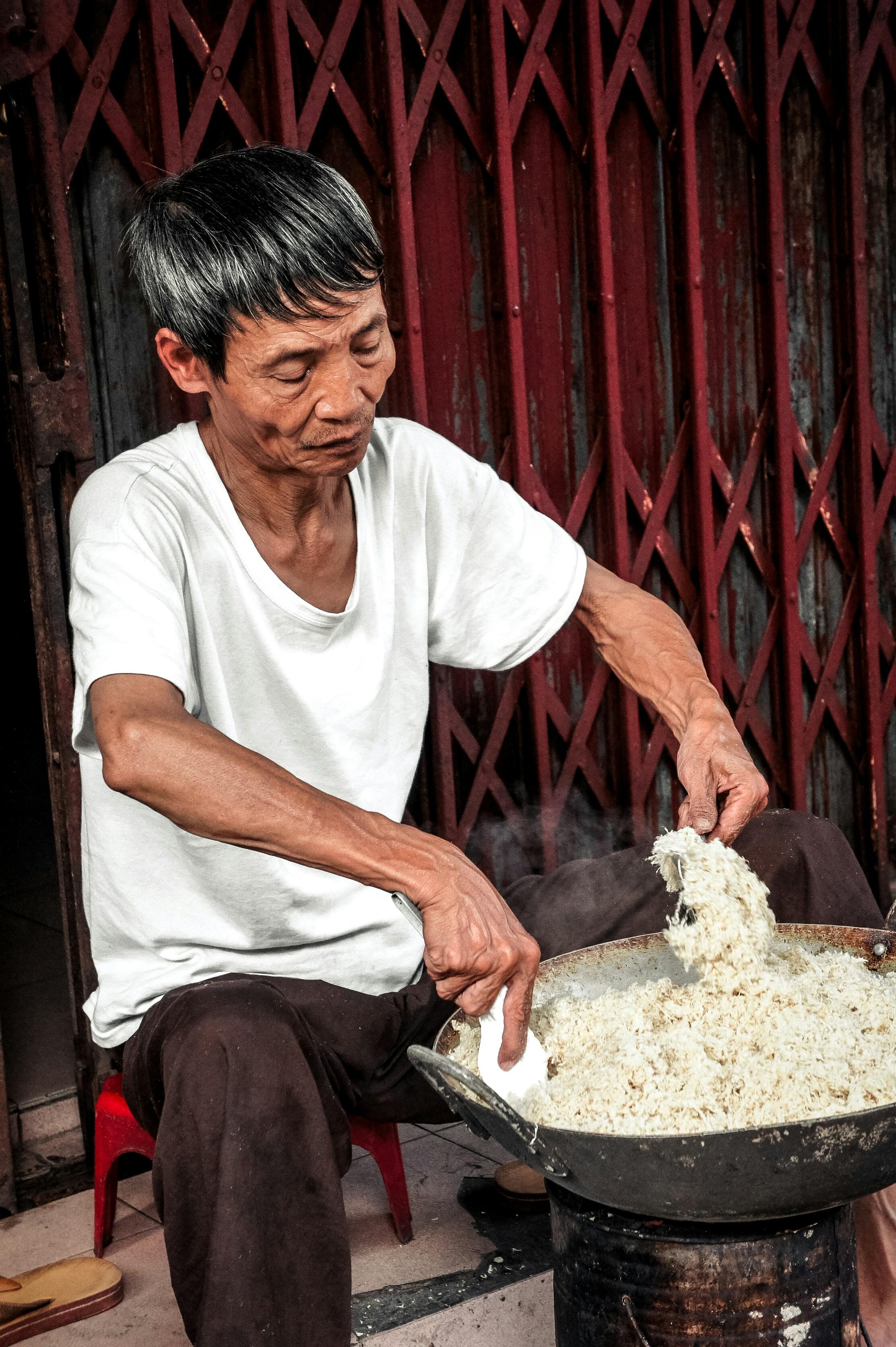
Exploring the Mechanisms: Understanding Rice Milling Machines
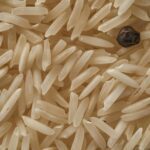
Rice milling machines are sophisticated devices designed to transform rough paddy into the clean, white rice that graces our tables. Their operation involves several critical stages, each utilizing specific mechanisms to ensure optimal output. Initially, the paddy undergoes hulling, where the outer husk is separated. This is typically achieved using rubber rolls that gently crack the husk without harming the grain. Following this, the milling process begins, which can involve multiple processes such as de-stoning, polishing, and grading. Each of these steps is essential in enhancing the quality and marketability of the rice product.
The machinery itself consists of various components that work in concert,such as blowers,screens,and separating units. Understanding these elements is crucial for rice mill operators aiming to maximize efficiency and reduce waste. For example, the use of well-calibrated screens can significantly improve the separation of grain sizes, while efficient blowers ensure that husks and dust are adequately removed. Here’s a simple table outlining some of the key components and their functions:
| Component | function |
|---|---|
| Huller | Separates the husk from the paddy grain |
| Polisher | Improves rice appearance and removes bran layers |
| Separator | Classifies rice based on size |
| Blower | Eliminates dust and light husk |

Enhancing Quality: The Impact of Precision Milling on Rice Grain
In the quest for superior rice quality,the advent of precision milling has revolutionized the industry. By employing advanced technologies and tailored settings, modern rice milling machines are now capable of enhancing grain quality while minimizing breakage. This meticulous process ensures that the rice grains maintain their structural integrity and nutritional value, leading to a more appealing end product for consumers. Key benefits of precision milling include:
- Reduced Broken Grains: Enhanced milling techniques yield whole, unbroken grains, critical for marketability.
- Improved Aroma and Flavor: Precision allows for better retention of the rice’s natural characteristics.
- Consistent Grain Size: Ensures uniform cooking and improves presentation.
- Nutritional Retention: Helps in preserving essential vitamins and minerals found in the rice.
Moreover, the impact of precision milling on rice grain extends to the economic aspect of rice production. Farmers can benefit significantly from investing in high-quality milling technology, which enhances the overall value of their crop. By reducing waste and optimizing the milling process, producers are able to achieve more efficient yields. Here’s a brief comparison of customary vs. precision milling outcomes:
| Aspect | Traditional Milling | Precision Milling |
|---|---|---|
| Grain Damage | Higher | Lower |
| Cooking Quality | Variable | Consistent |
| Aroma Retention | Moderate | High |
| nutritional Value | Decreased | Minimized Loss |
Investing in precision milling technology not only elevates the quality of rice products but also paves the way for enhanced business opportunities. As the rice market continues to grow, the significance of quality craftsmanship will remain pivotal.
Sustainable Practices: Energy Efficiency and Eco-friendly innovations
In the quest for sustainable agriculture, integrating energy-efficient technologies into rice milling processes stands as a beacon of promise. Modern rice milling machines are designed not just for productivity but also for reduced energy consumption, thereby lessening the environmental footprint. By implementing smart technology and advanced engineering, these machines minimize waste and enhance output quality. Some of the key innovations influencing energy usage include:
- Variable Frequency Drives (VFDs): These allow motors to operate at varying speeds, optimizing energy use and reducing wear and tear.
- High-Efficiency Motors: Upgrading to motors with better energy ratings significantly cuts down on electricity consumption.
- Dryer Optimization: Utilizing low-temperature drying methods enhances the milling process while saving energy.
The movement towards eco-friendly innovations doesn’t stop at energy efficiency.Manufacturers are increasingly sourcing sustainable materials for machinery construction, ensuring longevity and recyclability. By embracing practices such as:
- Modular Design: Facilitates easy repairs and upgrades, minimizing waste and extending machine life.
- Biodegradable Lubricants: Reduce environmental contamination while maintaining operational efficiency.
- Solar-Powered units: Implementing solar energy for off-grid milling operations drastically reduces reliance on fossil fuels.
| Feature | Benefit |
|---|---|
| Energy Efficiency | Lower operational costs |
| Sustainable Materials | Reduced environmental impact |
| Advanced Technology | Enhanced productivity |
Economic Empowerment: How Milling Machines Boost Local Communities
In many rural areas, access to modern agricultural technology like milling machines transforms entire communities by fostering economic growth and elevating living standards. These machines streamline the process of transforming paddy into consumable rice,which not only benefits farmers but also has wider implications for local economies. By reducing the time and labor required for rice processing, these machines allow farmers to focus on enhancing their yields and diversifying their crops, ultimately leading to improved food security and self-sufficiency. The ripple effect extends beyond individual households, as local entrepreneurs can emerge, establishing rice mill businesses that create jobs and generate income for the surrounding community.
Furthermore, the establishment of rice milling plants cultivates an environment where local talents can thrive. As workers gain experience, they can develop valuable skills in machinery operation, maintenance, and business management. This knowledge transfer cultivates a workforce that can adapt and innovate, leading to sustainable practices and perhaps boosting tourism through local rice products. Local markets flourish as businesses collaborate to create a continuous supply chain, offering quality products at competitive prices, which fosters a sense of community resilience.The table below highlights the key benefits of milling machines in local economies.
| Benefit | Description |
|---|---|
| Job Creation | Milling plants create direct and indirect employment opportunities, stimulating the local economy. |
| Value Addition | Processing paddy into rice enhances the product’s market value, increasing farmers’ profits. |
| skill Growth | Workers gain technical skills that can be utilized in various sectors, promoting workforce diversification. |
| Community Resilience | Stronger local businesses create a robust support network, enhancing overall community stability. |
The Way Forward
As we conclude our exploration of the pivotal role that rice milling machines play in unlocking potential within the agricultural sector, it becomes evident that these machines are more than just tools; they are catalysts for growth and innovation. By enhancing the efficiency of rice processing, they not only elevate the quality of the harvest but also empower farmers and communities to flourish in an ever-evolving marketplace.
The journey of rice from field to table is a testament to human ingenuity, and at the heart of this journey lies the technology that bridges tradition with modernity. As we continue to invest in and refine these machines,we pave the way for sustainable practices and economic resilience in rural economies.
In a world where food security is increasingly paramount, the impact of rice milling machines transcends mere economics—they are instruments of change that can uplift lives, preserve cultures, and ensure the richness of our heritage is passed down to future generations. It is clear that unlocking potential goes beyond mechanisms; it encompasses vision, duty, and community. As we look to the future, let us harness this potential wisely, ensuring that every grain processed is a step towards a more sustainable and prosperous world.