
In a world where efficiency is the heartbeat of progress, few industries illustrate this dynamic as vividly as agriculture. Among its myriad components, rice production stands as a cornerstone of sustenance for billions globally. Yet, behind the scenes of this essential grain’s journey from field to table lies a riveting transformation: the rise of rice milling machines. These technological marvels are not merely devices—they are catalysts of change, propelling traditional practices into an era defined by speed, precision, and sustainability. As we delve into the evolution of rice milling, we explore how these machines are reshaping the agricultural landscape, enhancing productivity, and unlocking a future where efficiency reigns supreme. Join us on this enlightening journey through the bustling world of rice milling, where innovation meets tradition in perfect harmony.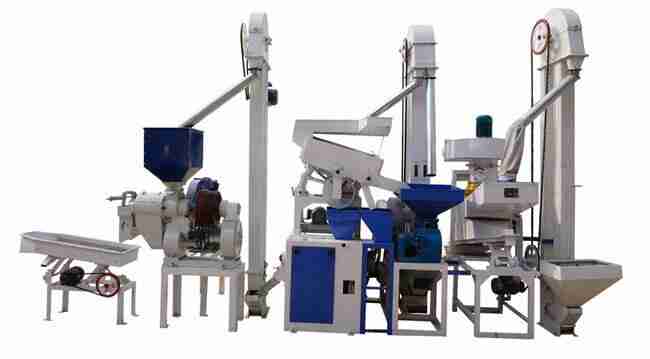
Understanding the Mechanics: How Rice Milling Machines Transform Grain Processing
At the heart of rice milling lies a complex interplay of machinery designed to convert paddy into the polished rice that graces our tables. Modern rice milling machines, equipped with advanced technology, significantly enhance the efficiency of grain processing. These machines typically comprise various components that work in harmony to achieve optimal results. For instance, the de-husking unit separates the grain from the husk, while the whitening chamber removes any remaining bran, achieving the desired level of polish. Each stage is finely tuned to minimize waste and maximize yield, thus reflecting the pinnacle of agricultural engineering.
Beyond mere mechanical operation, these systems incorporate automation and precision that transform the rice milling landscape. The features of contemporary milling machines allow for real-time adjustments and monitoring, ensuring consistency in the final product. Some notable benefits include:
- Increased Capacity: High-output machines can handle several tons of paddy in a single batch.
- Reduced Labor Cost: Automation minimizes the need for manual intervention.
- Enhanced Quality Control: Sensors and software ensure uniformity in the milling process.
As rice milling technology evolves, it becomes clear that these machines are not just tools but transformative agents in the agricultural sector. The precision and efficiency with which they operate contribute not only to economic viability but also promote sustainable practices in food production. Below is a summary of the comparative advantages of different milling machines:
| Machine Type | Output (tons/day) | Labor Requirement | Quality of Output |
|---|---|---|---|
| Traditional Mill | 1-2 | High | Variable |
| Modern Mill | 10-20 | Low | Consistent |
| Automated Mill | 30+ | Minimal | Superior |

Boosting Productivity: The Economic Benefits of Modern Rice Milling Technology
Modern rice milling technology has revolutionized the agricultural landscape, driving substantial economic benefits for farmers and communities alike. As these advanced milling machines become more accessible, their ability to enhance productivity cannot be understated. Unlike traditional methods, which often resulted in significant grain loss and labor inefficiency, contemporary rice milling machines offer features that optimize the milling process while minimizing waste. Key advantages include:
- Higher Yield: Advanced milling techniques ensure that a larger quantity of rice is extracted from each kernel.
- Lower Labor Costs: Automation reduces the need for manual labor, allowing farmers to allocate resources more efficiently.
- Consistent Quality: With improved processing standards, the rice produced is of higher quality, leading to better market prices.
- Energy Efficiency: Modern machines are designed to consume less energy, lowering operational costs significantly.
Moreover, the economic impact of these technologies extends beyond individual farmers to entire communities. By streamlining production, the local economy benefits from enhanced job creation in related sectors such as transportation, packaging, and distribution. The adoption of modern rice milling technology not only fosters improved living standards but also promotes sustainability and environmental consciousness. A comparative analysis of traditional and modern milling shows a stark contrast in economic outcomes:
| Aspect | Traditional Milling | Modern Milling |
|---|---|---|
| Grain Loss | 20-30% | 5-10% |
| Energy Consumption | High | Low |
| Labor Requirement | High | Reduced |
| Market Price | Lower | Higher |

Sustainability in Focus: Eco-Friendly Innovations in Rice Milling Practices
As the demand for eco-conscious practices intensifies, the rice milling industry is stepping up with innovative techniques that prioritize both efficiency and sustainability. One notable advancement is the integration of solar-powered rice milling machines, which harness renewable energy to reduce reliance on fossil fuels. This not only lowers the carbon footprint but also minimizes operating costs for rice farmers. Additionally, biomass energy systems are emerging, using rice husks as a power source, transforming waste into a valuable energy resource and enhancing overall sustainability in operations.
Moreover, technologies that facilitate water conservation during the milling process are gaining traction. Innovative milling methods employ closed-loop water systems that recycle water, significantly reducing consumption and decreasing pollution linked to wastewater. Other eco-friendly innovations include the development of recycled materials in machine construction and advanced dust collection systems that minimize air pollution. With these practices, the rice milling sector is not just focusing on productivity but is also committed to environmental responsibility, paving the way for a greener future.
Choosing the Right Machine: Key Features to Consider for Optimal Efficiency
Selecting the ideal rice milling machine involves understanding several key aspects that impact its overall performance and efficiency. Processing capacity is one of the foremost features to evaluate; it determines how much rice can be milled in a given time frame, making it vital for meeting production demands. Alongside this, the energy consumption of the machine plays a crucial role in operational costs; machines designed for low energy use not only save on electric bills but are often engineered to minimize environmental impact. Additionally, incorporating automated features such as self-cleaning functions and programmable settings can enhance productivity, allowing operators to focus on more strategic tasks rather than manual adjustments.
Another essential aspect is the quality of the milling process, which can be gauged through grain recovery rate. This metric reveals how much of the rice’s weight remains intact post-milling, thus influencing profitability. Moreover, maintenance requirements should not be overlooked; machines with simpler designs and easily accessible components are ideal for ensuring longer operational life and reduced downtime. Below is a quick comparison table showcasing these critical factors.
| Feature | Importance |
|---|---|
| Processing Capacity | Meets production needs efficiently |
| Energy Consumption | Reduces operational costs |
| Automated Features | Enhances productivity and convenience |
| Grain Recovery Rate | Influences profitability |
| Maintenance Requirements | Ensures longevity and reduces downtime |
In Retrospect
As we step into an era defined by technological advancement and innovation, the rice milling industry stands at the forefront of this agricultural revolution. The rise of rice milling machines not only symbolizes an evolution in efficiency and productivity but also offers a glimpse into a more sustainable future for food production. These machines are unlocking the potential of rice as a staple food, ensuring its availability and accessibility to communities around the globe.
As we reflect on the journey of rice milling—from its humble beginnings to the sophisticated machinery of today—it’s clear that these advancements are paving the way for a more resilient agricultural landscape. Whether you are a farmer looking to enhance your operations, a consumer interested in food sustainability, or simply a curious mind, the impact of these innovations is undeniable.
rice milling machines are not just tools; they are catalysts for change, driving the industry towards a more efficient and promising future. Embracing this technology will not only benefit producers but will ultimately contribute to feeding a growing world. As we continue to unlock efficiencies in rice milling, the story is just beginning—one where technology and tradition harmoniously coalesce to nourish present and future generations.




