
In the heart of the agricultural landscape, where tradition meets innovation, a subtle revolution is unfolding – one that promises to reshape the future of rice processing. As global demand for this staple crop continues to surge, the age-old methods of milling rice are giving way to advanced technologies that enhance efficiency and sustainability. Enter the world of commercial rice milling machines: sophisticated tools designed not only to meet the rigorous demands of modern agriculture but also to streamline operations and reduce waste. This article explores the rise of these machines, delving into their design, functionality, and the transformative impact they have on both producers and consumers. Join us as we unlock the potential of commercial rice milling, a journey that melds progress with purpose in the quest for a more efficient food supply chain.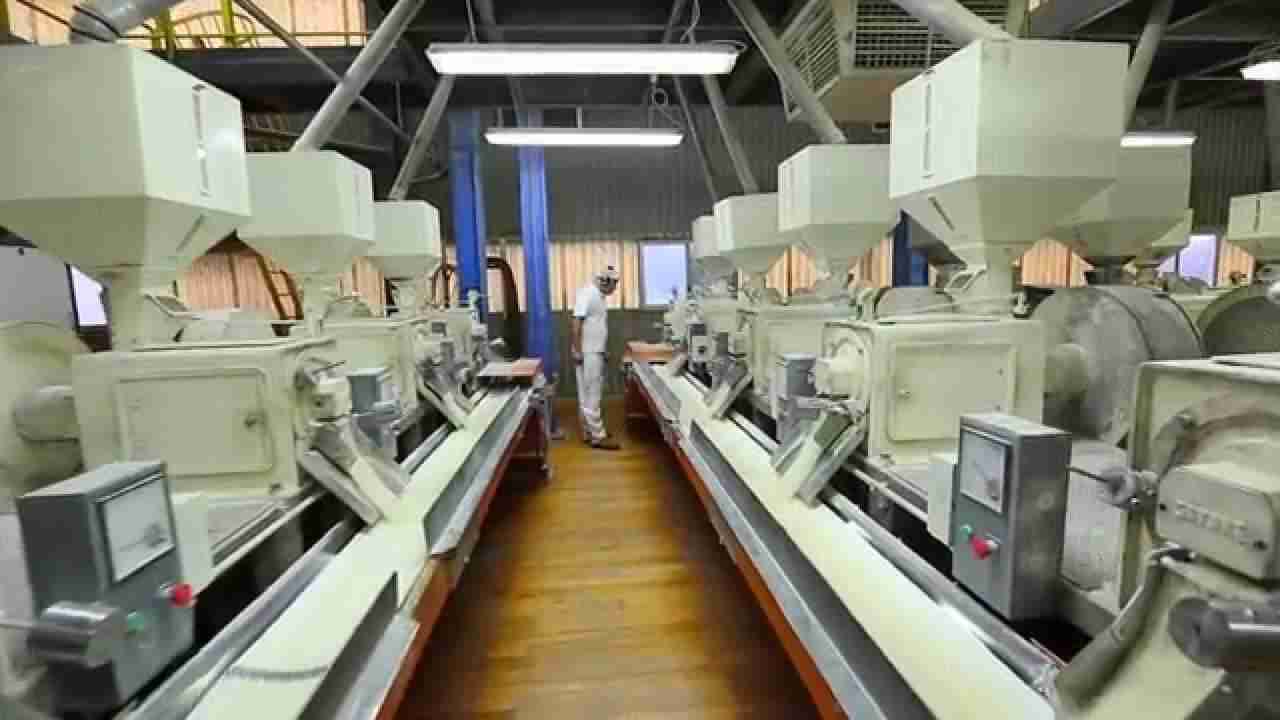
Understanding the Evolution of Rice Milling Technology
The transformation of rice milling technology has been a fascinating journey, evolving from traditional manual methods to advanced mechanized processes that significantly increase efficiency and output. Early rice milling relied heavily on human labor, often involving rudimentary tools such as stone mills and traditional pounding techniques. As agricultural practices modernized, the introduction of simple machines like the huller marked the first major leap forward, allowing farmers to mill their rice more rapidly and efficiently. These early innovations laid the groundwork for the sophisticated milling machines that dominate the industry today.
With the onset of the industrial revolution, rice milling technology witnessed a remarkable surge in innovation. The development of commercial rice milling machines incorporated features such as automated processes, improved husking, and polished rice production. Modern milling systems often integrate advanced technologies that utilize precision engineering, effectively minimizing grain loss and enhancing product quality. Key technological advancements include:
- Automation: Reducing manual labor and increasing throughput.
- Energy Efficiency: Utilizing less power while maximizing output.
- Multi-functional Design: Combining husking, polishing, and grading in one system.
The shift toward sustainable practices has also influenced current designs, with manufacturers focusing on eco-friendly materials and processes. This evolution not only enhances productivity but also addresses the growing demand for high-quality rice products. The table below summarizes the key features and benefits of contemporary rice milling machines:
| Feature | Benefit |
|---|---|
| Automated Operation | Increased efficiency and reduced labor costs |
| Advanced Milling Technology | Higher quality rice with minimal breakage |
| Energy-efficient Designs | Lower operating costs and reduced environmental impact |

Exploring the Economic Benefits of Modern Rice Milling Systems
Modern rice milling systems significantly enhance productivity while reducing operational costs, making them a cornerstone of agricultural efficiency. By integrating advanced technology, these machines streamline the milling process, resulting in higher rice yields and lower wastage. The automated nature of contemporary milling allows for faster processing times, which is crucial for meeting the growing global demand for rice. Key economic advantages include:
- Reduced Labor Costs: Automation minimizes the need for manual labor, freeing up resources for other essential tasks.
- Energy Efficiency: Many modern systems are designed with energy-saving features, lowering utility expenses and carbon footprints.
- Improved Grain Quality: Enhanced milling processes preserve nutritional value while minimizing breakage, leading to better market prices.
- Increased Market Reach: Efficient processing empowers producers to meet international standards, opening new export opportunities.
Furthermore, the economic impact extends beyond the milling operation itself. By improving the entire supply chain from farm to market, these systems support local economies and empower smallholder farmers. Higher profits from optimal milling operations can be reinvested into farming technologies and community initiatives. The table below outlines the comparative benefits of adopting modern rice milling systems over traditional methods:
| Criteria | Traditional Methods | Modern Mills |
|---|---|---|
| Processing Time | Days | Hours |
| Labor Requirement | High | Low |
| Yield Loss | 15-20% | 5-10% |
| Market Pricing | Lower | Higher |

Key Features to Look for in Commercial Rice Milling Machines
When investing in commercial rice milling machines, it’s essential to prioritize features that enhance productivity and maintain quality. Look for high milling efficiency, which can significantly reduce processing time while maximizing the yield of polished rice. Additionally, machines equipped with advanced rice whitener technology can improve the brightness and quality of the end product, appealing to customer preferences. An integrated dust removal system is another crucial feature, ensuring a cleaner working environment and reducing waste. Furthermore, consider machines with adjustable processing settings to cater to various rice varieties and desired levels of husk removal.
Another key aspect to keep in mind is energy efficiency, as this directly influences operating costs. Machines that feature smart monitoring systems can provide real-time data on performance, allowing for on-the-fly adjustments and proactive maintenance. Regarding maintenance, machines with easy-to-clean designs will enhance operational uptime and reduce labor costs. assess the after-sales support and warranty policies offered by manufacturers, as reliable customer service can be invaluable for troubleshooting and machine longevity.
Future Trends Shaping the Rice Milling Industry
As we gaze into the future of commercial rice milling, several trends are converging to redefine the landscape of the industry. One of the most significant influences is the integration of smart technology into milling processes. With the rise of IoT (Internet of Things) devices, milling machines are becoming increasingly interconnected, allowing for real-time monitoring and data analysis. This capability not only boosts operational efficiency but also minimizes waste and optimizes resource use. Predictive maintenance is becoming a standard, leveraging AI algorithms to analyze data patterns and predict machinery failures before they happen, thus minimizing downtime and maintenance costs.
Another transformative trend is the growing emphasis on sustainability within the rice milling sector. As global awareness increases regarding environmental impact, manufacturers are innovating to create eco-friendly milling machines that consume less energy and produce fewer emissions. Furthermore, renewable energy sources are being harnessed for milling operations, reducing reliance on fossil fuels. The shift towards using biomass byproducts from rice milling creates a circular economy, where waste is repurposed for energy or other uses. Such sustainable practices not only enhance the industry’s image but also appeal to socially conscious consumers and investors.
The Way Forward
As we navigate the evolving landscape of agriculture, it is clear that the rise of commercial rice milling machines marks a significant turning point in the quest for efficiency and productivity. These technological advancements not only streamline the milling process but also empower farmers and millers alike to unlock greater potential from their crops. By embracing innovation, the rice industry can enhance quality, reduce waste, and ultimately contribute to food security on a global scale.
As we move forward, it is essential to remain adaptable and open-minded, recognizing that the future of rice milling is not just about machinery, but about creating sustainable practices that benefit both producers and consumers. The journey toward unlocking efficiency is ongoing, and with every grain processed, we come closer to realizing a thriving agricultural ecosystem.
In a world where every second and every resource matters, the rise of commercial rice milling machines stands as a testament to the power of innovation. As we close this chapter, let us look forward to a future where technology continues to uplift communities and transform industries, one grain at a time.




