
In the heart of agriculture, where tradition meets innovation, the rice milling process stands as a vital link in the supply chain that transforms raw grains into a staple food source for millions. As populations grow and demand for efficiency escalates, the rice milling industry is undergoing a remarkable transformation, spearheaded by modern technology. Enter the contemporary rice milling machine—an embodiment of precision engineering and automated efficiency. This article explores the features and capabilities of these advanced machines, illuminating how they not only enhance productivity but also uphold the quality and integrity of one of the world’s most consumed grains. Join us as we delve into the mechanics of these marvels of modern agriculture and uncover how they are unlocking new horizons in rice milling.
Exploring the Technological Advancements in Rice Milling Machines
The landscape of rice milling has transformed dramatically in recent years, driven by innovations aimed at enhancing productivity and efficiency. Modern machines are not only more powerful but also incorporate sophisticated technology that streamlines the entire milling process. Key advancements include:
- Automated milling systems that reduce manual labor.
- Integration of sensors for real-time monitoring of moisture levels and grain quality.
- Energy-efficient motors that lower operational costs while maintaining high throughput.
These features collectively contribute to maximizing yield and ensuring high-quality rice production, illustrating a significant leap from traditional milling practices.
Furthermore, user-friendly interfaces and advanced software have transformed the way mill operators interact with machinery. Many contemporary machines feature smart connectivity, enabling remote diagnostics and performance monitoring. The data analytics capabilities allow mill owners to make informed decisions based on performance trends and maintenance needs. Here is a simple comparison of some common features in traditional versus modern rice milling machines:
| Feature | Traditional Milling Machines | Modern Milling Machines |
|---|---|---|
| Energy Consumption | High | Low |
| Labor Requirement | High | Low |
| Output Quality | Variable | Consistent |
| Data Monitoring | Manual | Automated |

Enhancing Productivity: Key Features of Modern Rice Mills
Modern rice mills are equipped with a plethora of advanced features designed to boost efficiency and optimize production processes. Automation stands at the forefront, enabling seamless operation and minimal manual intervention. With the integration of computerized control systems, mills can monitor and adjust parameters in real time, ensuring consistency in quality and reducing waste. Additionally, high-capacity milling machinery significantly increases throughput, allowing mills to process larger volumes of rice in shorter timeframes. This not only enhances productivity but also meets the escalating demand in the market.
Another critical aspect is the incorporation of energy-efficient technologies that promote sustainability while reducing operational costs. Modern rice mills often utilize vibration separation technology, which ensures minimal loss during milling and improves yield. Furthermore, the inclusion of advanced cleaning systems ensures that the rice is free from impurities, thus enhancing the quality of the final product. To illustrate these features, consider the following table summarizing key benefits of modern milling technologies:
| Feature | Benefits |
|---|---|
| Automation | Reduced labor costs and increased operational efficiency. |
| High-capacity machinery | Higher production rates and better response to market demands. |
| Energy efficiency | Lower energy bills and reduced environmental impact. |
| Vibration separation technology | Improved yield and reduced material loss during processing. |
These critical advancements align with the goals of modern rice milling, making operations not only more productive but also streamlined for future challenges in the agricultural sector.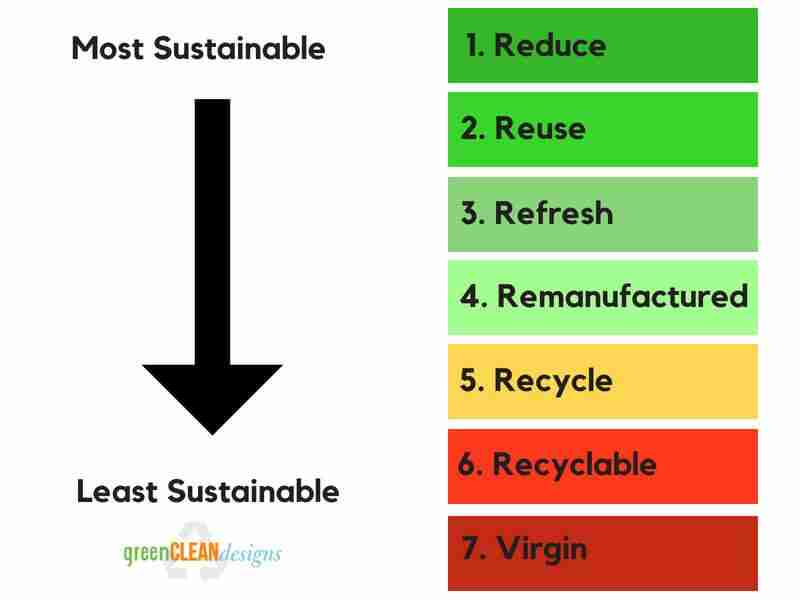
Sustainable Practices in Rice Milling: Reducing Waste and Energy Consumption
In the quest for sustainability, the rice milling industry is embracing innovative practices that not only enhance productivity but also promote environmental stewardship. Modern milling machines are engineered to minimize waste through advanced design and technology. By optimizing the extraction processes, these machines ensure that nearly every part of the rice grain is utilized, thus reducing the volume of by-products. Key techniques include:
- Zero-waste technology: Advanced milling systems are capable of converting husks and bran into biofuels and animal feed.
- Efficient resource management: Implementing water and energy-saving mechanisms helps in conserving resources during processing.
- By-product valorization: Incorporating methods to utilize by-products enhances revenue and supports local economies.
Energy consumption remains a pivotal challenge in rice milling, and modern machinery addresses this through smart engineering and automation. Enhanced energy efficiency is achieved by incorporating features such as variable speed drives and heat recovery systems. These systems adjust power use to match operational needs without compromising performance. Furthermore, the integration of renewable energy sources, such as solar or biomass, into milling operations can further diminish reliance on fossil fuels. The following table outlines the benefits of these modern energy practices:
| Energy Practice | Benefit |
|---|---|
| Variable Speed Drives | Reduces energy consumption by adjusting motor speed and torque. |
| Heat Recovery Systems | Captures waste heat for reuse, lowering energy costs. |
| Renewable Energy Integration | Diminishes carbon footprint and curtails energy expenditure. |
Navigating the Market: Choosing the Right Milling Machine for Your Needs
When it comes to optimizing your rice milling operation, understanding the varying types of milling machines available is essential. Various models serve distinct purposes, and choosing the right one can significantly impact your overall efficiency. Consider factors such as capacity, energy consumption, and specific milling requirements. For example, some machines excel at processing larger volumes, while others are designed to achieve a finer milling quality. It’s also beneficial to assess technological features like automated systems, which can enhance both user experience and output consistency.
To facilitate your decision-making process, create a checklist based on critical features tailored to your operational needs. Here are some key attributes to keep in mind while evaluating potential machines:
- Size and Capacity: Ensure the machine meets your production scale.
- Maintenance and Support: Check the availability of parts and customer service.
- Cost-Effectiveness: Assess both initial and long-term operating costs.
- Sustainability: Look for energy-efficient models to minimize environmental impact.
- Technology Integration: Consider machines with smart technology for enhanced automation.
| Feature | Basic Model | Advanced Model |
|---|---|---|
| Capacity (kg/h) | 500 | 1500 |
| Energy Consumption (kW) | 10 | 20 |
| Smart Features | No | Yes |
| Price Range ($) | 5,000 – 10,000 | 15,000 – 25,000 |
Insights and Conclusions
As we draw the curtains on our exploration of modern rice milling machines, it becomes evident that these technological marvels are not merely tools; they are catalysts for transformation in the agricultural landscape. By unlocking efficiency through innovation and precision, they empower farmers, enhance product quality, and contribute to food security. The evolution of rice milling reflects a broader narrative of sustainability and productivity that resonates across the globe.
As we embrace this new era of mechanized milling, the question is not just about how we process rice but how we can continue to refine our practices to meet the demands of a growing population. The journey of rice milling continues to evolve, holding the promise of a brighter, more efficient future for all. In this fast-paced world, where every grain counts, the modern rice milling machine stands as a testament to human ingenuity and our collective responsibility to nourish the world. Let us move forward, not just with machines, but with a vision for a more sustainable tomorrow.




