
In a world where efficiency and precision drive the agricultural sector, the rice milling machine stands as a beacon of innovation and productivity. From the lush paddies where rice plants reach for the sun to the bustling markets where bags of polished grains are sold, the journey of rice from field to table is a testament to human ingenuity. Yet, this transformative process is often taken for granted, with the complexities of rice milling shrouded in mystery. This article aims to demystify the rice milling machine, unlocking the secrets behind its operation, design, and the myriad of advancements that have elevated it to an essential tool in modern agriculture. Join us as we explore the inner workings of this remarkable machine, revealing how it not only streamlines rice processing but also contributes to food security and economic stability around the globe.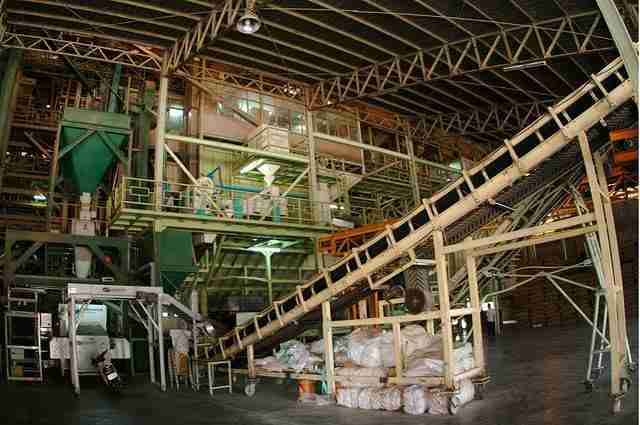
Understanding the Fundamentals of Rice Milling Technology
Rice milling technology is a vital process that transforms paddy into polished rice while maximizing efficiency and quality. The process involves several key operations, each of which can significantly influence the overall outcome. Understanding the mechanics behind rice milling allows mill operators to make informed decisions regarding machinery selection, maintenance, and operational techniques. Key elements of rice milling technology include:
- Paddy separation: The first step focuses on separating paddy from impurities before milling.
- Husk removal: This involves using hulling machines to eliminate the outer husk layer.
- Brown rice production: Following husking, brown rice is produced, serving as the intermediary product before polishing.
- Polishing: This step enhances the appearance and quality of rice through a polishing machine, removing bran and giving rice its shiny finish.
- Grading and packaging: the polished rice is sorted based on size and quality before packaging for sale.
Each of these operations requires specific machinery, designed to work in conjunction to ensure high throughput and minimal grain damage. Key components of modern rice milling processes include the separator that efficiently sorts paddy, the huller that expertly removes the husk, and the polisher that adds luster and improves quality. Furthermore, advancements in technology have introduced automation and precision controls, elevating the capabilities of rice milling machines. A simple overview of the machinery used in the milling process is outlined in the table below:
| Machine Type | Function |
|---|---|
| Separator | Removes impurities and separates paddy from other materials. |
| Huller | Removes the husk from brown rice. |
| Polisher | Enhances the quality and appearance of the rice. |
| Grader | Sorts rice based on size and quality. |
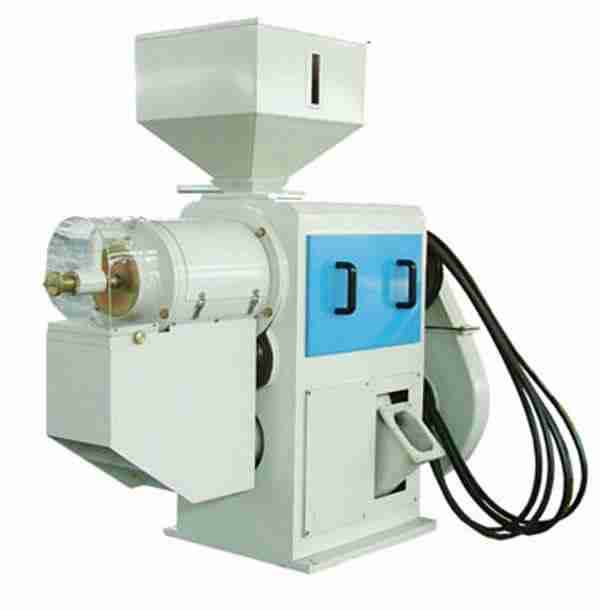
Key Components of an Efficient Rice Milling Machine
When considering the design of an effective rice milling machine, several vital components come into play. First and foremost is the husk remover, which is tasked with efficiently peeling the outer husk from the rice grains. This is crucial as the quality of the raw rice directly influences the final product. Following closely is the paddy separator, which expertly segregates the husked grains from the unhusked ones, ensuring that only pure kernels proceed to the next phase. Additionally, the whitener plays a critical role in removing bran layers while preserving the integrity of the grain, contributing to both the aesthetic quality and the nutritional profile of the finished rice.
Another significant element is the polisher, which enhances the aesthetic appeal of the rice by giving it a glossy finish, while also enhancing its market value. The grains’ cooling and storage system is equally essential; it helps maintain optimal temperatures post-milling to prevent spoilage and maintains moisture levels—crucial for long-term storage. Lastly, automated controls and monitoring systems ensure that every process operates smoothly, enhancing overall productivity. Here’s a simple table highlighting these components and their functions:
| Component | Function |
|---|---|
| Husk Remover | Peels the outer husk from rice grains |
| Paddy Separator | Separates husked from unhusked rice |
| Whitener | Removes bran layers while preserving grain |
| Polisher | Enhances appearance and market value |
| Cooling & Storage System | Maintains optimal conditions post-milling |
| Automated Controls | Ensures smooth operation and productivity |
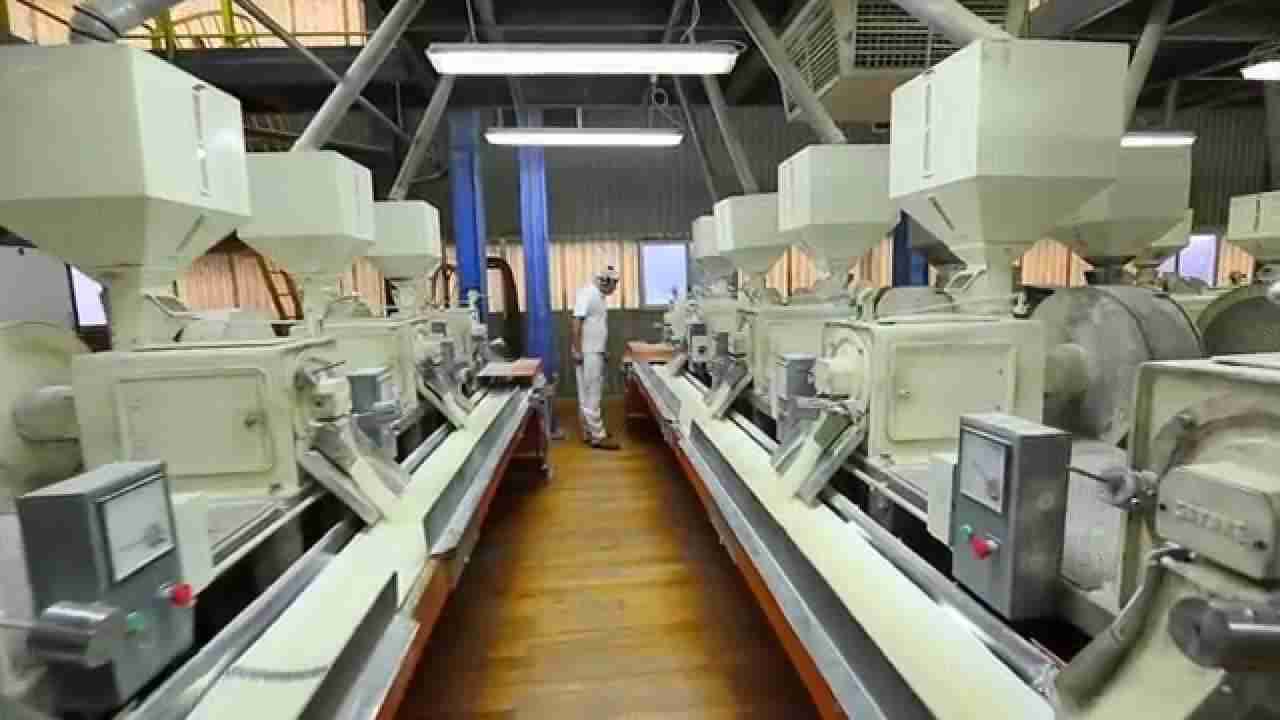
Best Practices for Optimal Rice Milling Performance
To achieve maximum efficiency in rice milling operations, operators should adhere to several best practices. Regular maintenance of the milling machine is crucial, as it ensures that all components function optimally. Establishing a routine maintenance schedule—cleaning machinery, lubricating moving parts, and checking for wear—can significantly extend the lifespan of the equipment and improve milling performance. Additionally, adjustments to the machine settings should be made based on the type of rice being processed, as different varieties may require varying degrees of milling intensity. Monitoring the milling process closely can help determine the best practices tailored to specific conditions.
Operator training plays a vital role in enhancing milling operations. Staff should be educated on the correct use of machinery and the importance of maintaining operational standards. Investing in comprehensive training programs can lead to improved efficiency and reduced downtime. Furthermore, implementing a quality control system to measure the output and monitor grain quality is essential. By providing feedback and making necessary adjustments based on the data collected, operators can ensure that each milling batch meets industry standards and consumer expectations. Below is a simple comparison of key performance indicators to assess milling efficiency:
| Milling Parameter | Optimal Value | Monitoring Frequency |
|---|---|---|
| Hulling Rate | 90% – 95% | Daily |
| Broken Rice Percentage | Less than 5% | Per Batch |
| Yield of Milled Rice | Approximately 68% – 72% | Weekly |
Innovative Trends in Rice Milling Equipment Design
In recent years, the rice milling industry has witnessed a remarkable transformation driven by cutting-edge technology. Today’s milling systems are not only designed for enhanced productivity but also prioritize energy efficiency and sustainability. Automation features, such as real-time monitoring and control systems, have become commonplace, enabling operators to optimize processing times and minimize waste. Key design innovations now incorporate smart sensors that assess grain quality and moisture content, ensuring that end products meet stringent quality standards while reducing the likelihood of food safety issues.
Moreover, the emphasis on user-friendly interfaces has transformed the interaction between operators and machinery. Many modern rice mills are equipped with intuitive touch screens that simplify operation, allowing staff to manage multiple functions easily. The integration of modular designs facilitates upgrades and repairs, ensuring that equipment can adapt to changing market demands. Vintage milling designs are being replaced or revamped to incorporate eco-friendly materials, addressing consumer urges for sustainable practices. With these advancements, the future of rice milling equipment promises increased efficiency and minimized environmental impact.
In Summary
As we draw the curtain on our exploration of rice milling machines, it becomes evident that these remarkable devices are more than just tools; they are vital instruments in the quest for efficiency and quality in food production. By understanding the intricacies of their design and operation, we empower ourselves to make informed choices that can revolutionize how we process one of the world’s most cherished staples.
Whether you are a farmer looking to enhance your output, an entrepreneur entering the rice milling industry, or simply a curious reader, the insights we’ve uncovered serve as a foundation for diving deeper into this fascinating field. As technology continues to evolve, so too will the methods we use to harness the full potential of rice milling machines.
Now, as we close this chapter, we invite you to keep your curiosity alive. Embrace the innovations that lie ahead, and remember that every grain you mill contributes to a larger narrative of sustainability, efficiency, and nourishment for communities around the globe. The journey towards unlocking efficiency is ongoing, and with every advancement, we are reminded of the vital role machinery plays in shaping our agricultural future. Here’s to a world where every meal begins with a commitment to excellence in processing.




