
In the heart of every grain lies a story—a narrative woven through centuries of agricultural traditions, labor, and the essence of sustenance. Among these abundant treasures, rice stands out as a staple food that nourishes half of the world’s population. As the demand for rice continues to grow, so too does the necessity for efficient processing methods. Enter the industrial rice milling machine: a technological marvel that has revolutionized the way we transform rice from its raw, unprocessed form into the white grains that grace our tables. This article delves into the journey of rice milling, exploring the rise of industrial machinery that not only enhances production efficiency but also ensures quality and accessibility in a rapidly changing global landscape. Join us as we unravel the transformative power of technology in a field where tradition meets innovation, paving the way for a future that honors both the grain and those who depend on it.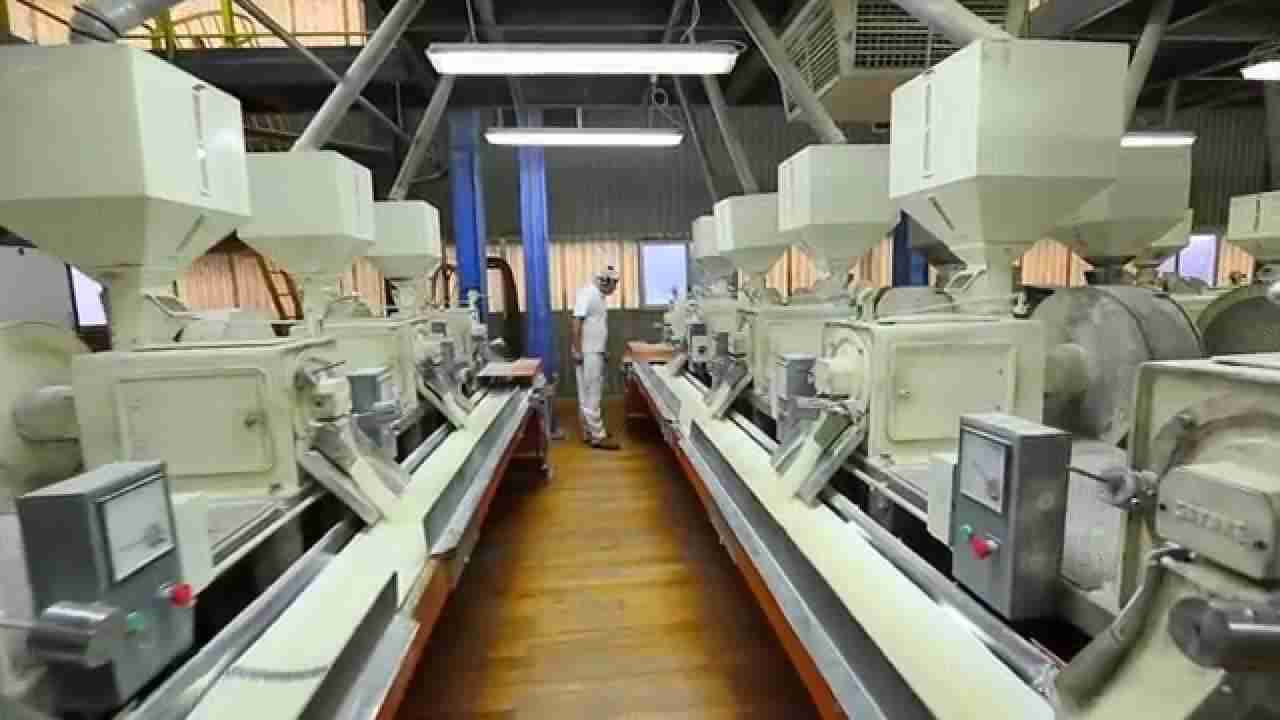
Understanding the Evolution of Rice Milling Technology
The journey of rice milling technology has been one of constant innovation and adaptation, driven by the increasing demand for efficiency and quality in food production. Early milling processes relied heavily on manual labor and simple tools, such as mortar and pestle, which, while effective, could not meet the growing needs of a burgeoning population. As civilizations progressed, so did the tools of rice processing. The introduction of water-powered mills in regions like Asia marked a significant shift, enabling larger quantities of rice to be processed with greater ease. Eventually, steam engines joined the fray, leading to the dawn of mechanized rice milling that fundamentally changed the landscape of grain processing.
In contemporary times, industrial rice milling machines have emerged as the hallmark of efficiency and productivity. These advanced systems not only optimize the milling process but also enhance the quality of the final product through precision and automation. Key features of modern milling technology include:
- Automated sorting and grading systems that improve rice quality by removing impurities.
- Advanced husking and whitening machines designed to minimize breakage and maximize yield.
- Digital monitoring tools for real-time assessment of the milling process, ensuring consistency.
This evolution has not only revolutionized the rice industry but also provided smallholder farmers with opportunities to enter larger markets by yielding higher-quality products. The integration of technology and traditional practices continues to pave the way for a more sustainable future in rice production.
Key Benefits of Industrial Rice Milling Machines for Modern Agriculture
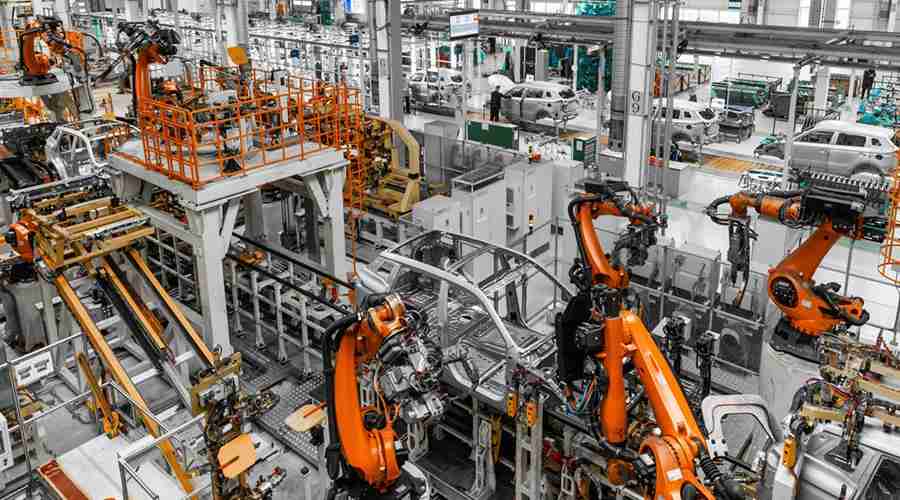
The advent of industrial rice milling machines has revolutionized the agricultural landscape, bringing forth several key advantages that directly impact both productivity and quality. These machines are designed to efficiently process large volumes of rice, significantly reducing labor costs and time associated with traditional milling methods. Enhanced efficiency allows farmers and mill operators to streamline operations, resulting in faster turnaround times and higher throughput. Additionally, these machines are equipped with advanced technology that improves the consistency of milling, ensuring better quality of rice with minimal breakage and losses. This innovation not only contributes to a more sustainable agricultural model but also helps meet the ever-increasing global demand for rice.
Moreover, industrial rice milling machines offer versatility and customization features tailored to specific needs. With options to mill rice into various grades and styles, millers can cater to diverse market preferences, thus expanding their business opportunities. Additionally, the integration of automated systems reduces the need for manual intervention, leading to a more hygienic processing environment. The maintenance and operational costs are further optimized due to the durability and reliability of modern milling equipment. As a result, stakeholders from farmers to distributors experience improved profitability and a more resilient supply chain.
| Benefit | Description |
|---|---|
| Increased Efficiency | Faster processing times, leading to higher output and reduced labor costs. |
| Improved Quality | Consistent milling results with minimal grain breakage. |
| Automation | Reduces manual labor needs, ensuring hygiene and safety in processing. |
| Market Versatility | Customizable milling options to meet varied consumer preferences. |
| Higher Profits | Optimized operations and reduced costs lead to enhanced profitability. |
Enhancing Quality and Efficiency: Best Practices for Rice Milling Operations
To achieve optimal results in rice milling, it’s vital to streamline operations by employing best practices that elevate both quality and efficiency. One approach is to implement a standard operating procedure (SOP) that guides every step of the milling process. This includes careful selection of the rice variety, ensuring optimal moisture content, and maintaining precision in soaking and drying times. Regularly calibrated machinery contributes to consistent output quality, as does investing in modern, automated systems that minimize manual handling. A dedicated quality control team should monitor the milling process, from the initial husking to the final polishing, ensuring that any deviations are immediately addressed.
Another key practice is to foster a culture of continuous improvement through training and feedback loops. Employees should be educated about the intricacies of rice milling and encouraged to suggest improvements based on their hands-on experiences. Additionally, utilizing data analytics can drive insights into operational efficiencies, identifying bottlenecks or machine failures before they escalate. Implementing a maintenance schedule not only prolongs equipment lifespan but also keeps production smoothly aligned. Ultimately, the integration of advanced technology, workforce training, and rigorous quality checks creates a robust infrastructure capable of meeting growing demands while consistently delivering high-quality rice.
| Best Practices | Description |
|---|---|
| Standard Operating Procedures | Documented guidelines for consistency in operations. |
| Quality Control Team | A group focused on monitoring and maintaining product standards. |
| Employee Training | Continuous education on processes and technologies. |
| Data Analytics | Utilization of data to identify and resolve inefficiencies. |
Future Trends in Rice Milling: Innovations and Sustainability Strategies
As the world continues to embrace technological advancements, the rice milling industry is poised for a revolution. Modern milling machines are not just about efficiency; they also represent a significant shift towards sustainable practices. New designs focus on energy efficiency, enabling mills to reduce their carbon footprint while maximizing output. Technologies such as AI-driven sensors and automated systems are being integrated to monitor the grains’ quality in real-time, ensuring minimal waste during processing and enhancing overall yield. This convergence of technology and sustainability enables millers to meet the increasing demand for high-quality rice while maintaining ecological balance.
Furthermore, innovative milling techniques such as precision milling are gaining momentum. This approach allows for the optimal use of each grain, ensuring that valuable nutrients are retained in the rice while lowering production costs. Mills are also investing in renewable energy sources, such as solar and wind, to power their operations, thereby reducing reliance on fossil fuels. These innovations are not merely transient trends; they are becoming essential strategies in an industry increasingly accountable for its environmental impact. Below is a glimpse into the transformative strategies being implemented:
| Innovation | Sustainability Strategy |
|---|---|
| AI Sensory Monitoring | Minimizes waste and optimizes quality |
| Energy Efficient Designs | Reduces carbon footprint |
| Renewable Energy Adoption | Limits fossil fuel dependency |
| Precision Milling Techniques | Enhances nutrient retention |
Key Takeaways
As we draw the curtain on our exploration of the transformative journey of rice milling, it becomes clear that industrial rice milling machines are not merely instruments of production but catalysts of change in the agricultural landscape. With innovation steering the course of this age-old practice, these machines have not only enhanced efficiency but also redefined the way rice reaches our tables.
The rise of industrial milling technology signifies a pivotal shift, offering farmers and millers the means to maximize yield while minimizing waste. As we look toward the future, the continued evolution of this technology promises not only to meet the demands of a growing global population but also to foster sustainable practices that honor our agricultural roots.
In a world increasingly reliant on mechanization, the story of rice milling machines is also a reminder of the delicate balance between progress and tradition. It invites us to consider how we can harness modern advancements to safeguard our heritage while paving the way for innovations that nourish us all. As we conclude our journey through the world of industrial rice milling, we are left with a profound appreciation for the grains that sustain us and the technology that transforms them.




