
The Ultimate Guide to Complete Rice Milling Machines
Rice, a staple food for more than half of the world’s population, holds a significant place in global agriculture and culinary traditions. Transforming this cherished grain from paddy to polished rice involves a fascinating interplay of technology and craftsmanship. In recent years, the demand for high-quality rice and the need for efficient milling processes have sparked innovation in the sector, leading to the development of advanced rice milling machines. This comprehensive guide delves into the intricate world of rice milling, offering insights into the various types of machines available, their operational mechanisms, and the benefits they bring to both small-scale farmers and large agricultural enterprises. Whether you’re a seasoned mill operator, an aspiring entrepreneur, or simply curious about the milling process, this article aims to equip you with the knowledge you need to navigate the complexities of rice milling technology. Join us as we explore the evolution, features, and best practices surrounding complete rice milling machines, and discover how they are shaping the future of this essential industry.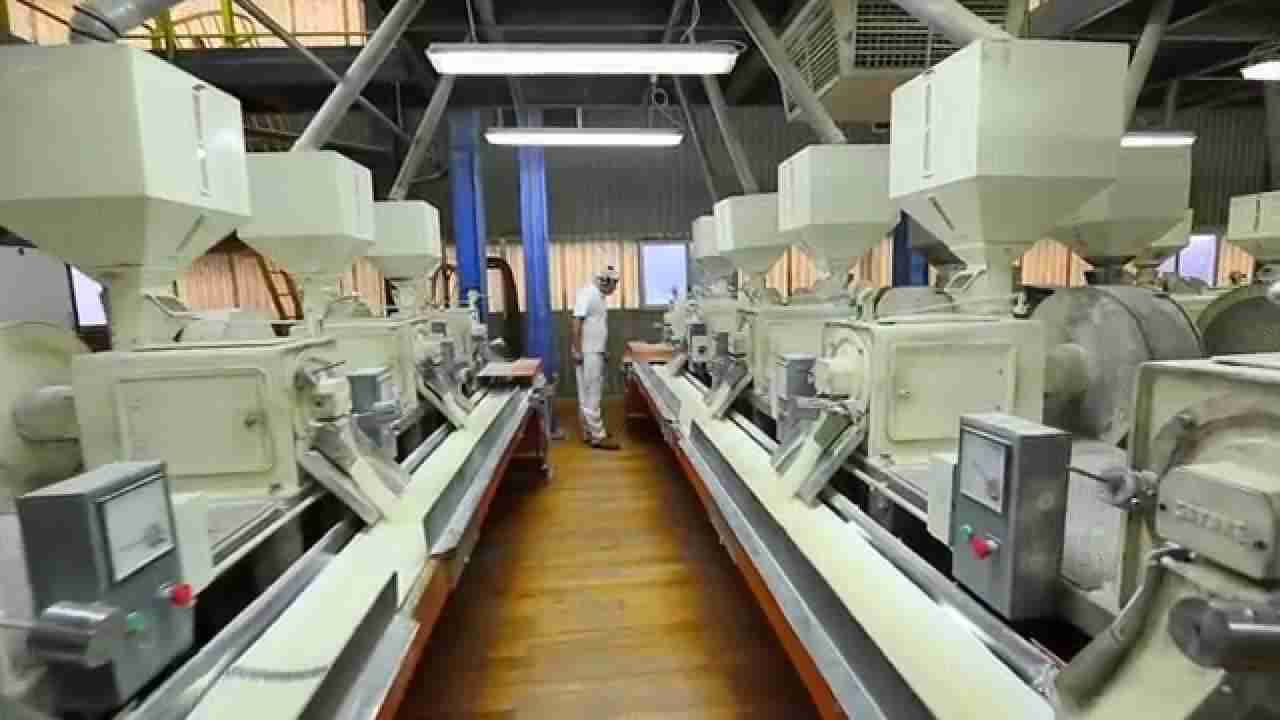
Understanding Rice Milling Technology for Optimal Efficiency
Rice milling technology plays a crucial role in enhancing the quality and efficiency of rice production. This process involves several stages, each designed to remove husks and bran while preserving the grain’s integrity. Understanding these stages can significantly impact the overall yield and quality of rice. Key components of efficient rice milling include:
- Pre-Cleaning: Removes impurities such as stones, dust, and chaff from raw paddy.
- Hulling: Separates the rice grains from their outer husks using mechanical hulling machines.
- Paddy Separation: Ensures that unhulled grains are separated and sent back for more hulling.
- Whitening and Polishing: Enhances the grain’s appearance and texture by removing the bran layers.
- Grading: Sorts rice according to size and quality, ensuring uniformity.
Modern rice milling machines incorporate advanced technology to maximize efficiency and reduce waste. Features such as automated control systems allow for precise operation adjustments, ensuring optimal processing conditions. Additionally, energy-efficient designs help lowering operational costs. The integration of sensor technologies contributes to real-time monitoring of the milling process, addressing issues before they escalate. Below is a summary table of common rice milling machine features:
| Feature | Benefits |
|---|---|
| Automated Control Systems | Enhances precision through real-time adjustments. |
| Energy Efficiency | Reduces operational costs and environmental impact. |
| Sensor Technologies | Allows for proactive monitoring and maintenance. |
| Modular Designs | Eases upgrades and maintenance, adapting to user needs. |

Key Features to Consider in Selecting the Right Rice Milling Machine
When embarking on the journey of selecting a rice milling machine, several key features play a crucial role in ensuring you make the best investment. Durability and Build Quality should top your list; machines constructed with high-grade materials withstand the rigors of daily operations and reduce long-term maintenance costs. Processing Capacity is another essential aspect to evaluate; depending on your business size, you might require machines that process anywhere from 100 kg/hour to several tons. Furthermore, always consider the Energy Efficiency of the machine, as energy costs can significantly impact your overall operating expenses.
In addition to these foundational considerations, User-Friendliness cannot be overlooked. A user-friendly interface simplifies training for your operators and allows for more efficient operation. You might also want to explore Flexibility of Operations, allowing you to mill various types of rice or even other grains. assess the After-Sales Support provided by the manufacturer; robust customer service can save you time and money in troubleshooting and repairs. Here’s a quick overview of these features in a tabular format for easy reference:
| Feature | Importance |
|---|---|
| Durability & Build Quality | Reduces maintenance costs and increases machine lifespan. |
| Processing Capacity | Ensures you meet the demands of your business volume. |
| Energy Efficiency | Lowers operating expenses and environmental impact. |
| User-Friendliness | Simplifies training and enhances operational efficiency. |
| Flexibility of Operations | Allows milling of different rice types or grains. |
| After-Sales Support | Essential for efficient problem resolution and maintenance. |
Top Recommendations for High-Quality Rice Milling Equipment
When looking to invest in high-quality rice milling equipment, it’s essential to prioritize features that enhance efficiency and ensure the best quality end product. One of the most crucial aspects is the milling capacity; consider machines that offer a variety of options to suit different production scales. Additionally, opt for equipment equipped with modern technology such as automatic sensors and adjustable settings that optimize the milling process based on rice varieties and moisture content. Here are some features to consider:
- Durability: Select machines made from high-grade materials that withstand rigorous use.
- Energy Efficiency: Equipment that consumes less power can significantly reduce operating costs.
- Ease of Maintenance: Models that facilitate easy maintenance and repair extend the lifespan of the machinery.
- Versatility: Multi-functional machines that can handle various types of rice are a smart investment.
To help you narrow down your options, it’s beneficial to compare different models based on essential specifications. Below is a comparison table featuring key attributes of popular rice milling machines in the market:
| Machine Model | Capacity (kg/h) | Power (kW) | Features |
|---|---|---|---|
| Model A | 150 | 5 | Automatic grading, energy-efficient |
| Model B | 100 | 4 | Compact size, easy maintenance |
| Model C | 200 | 7 | Multi-functional, built-in sensors |
Investing in top-quality rice milling equipment ensures not only a high yield of polished rice but also enhances the overall operational efficiency. Look for brands with a solid reputation and excellent customer service to support your decision. By focusing on these recommendations and comparing specific models, you can confidently choose the equipment that best meets your milling needs.
Maintenance Tips for Prolonging the Life of Your Rice Milling Machine
To ensure the longevity and efficiency of your rice milling machine, implementing regular maintenance practices is crucial. Start by performing daily checks on the machine’s components, focusing on the husk removal system and milling chamber. Keeping these areas clean will prevent buildup that can halt performance. Additionally, don’t forget to inspect and lubricate moving parts to minimize wear and friction. Schedule frequent assessments of electrical components and wiring, as they are susceptible to damage from dust and heat. Remember to maintain proper tension in the belts and replace any worn parts promptly.
Another essential aspect of upkeep is calibrating the machine settings for moisture levels in rice before processing. This helps in achieving optimal milling results and enhances machinery efficiency. Establish a maintenance log to track any repairs, inspections, or replacements performed. Here’s a simple maintenance log template you can use:
| Date | Maintenance Task | Performed By | Notes |
|---|---|---|---|
| MM/DD/YYYY | Daily Cleaning | Technician Name | Checked all chambers |
| MM/DD/YYYY | Lubrication | Technician Name | Greased moving parts |
| MM/DD/YYYY | Replacement Parts | Technician Name | Belts changed |
By following these guidelines, not only will you ensure seamless operations, but also extend the lifespan of your machine, maintaining peak performance for years to come.
In Summary
As we conclude our journey through the intricate world of rice milling machines, we hope this ultimate guide has illuminated the paths to selecting the perfect equipment tailored to your needs. Whether you’re a small-scale farmer, an entrepreneur in the agri-food industry, or simply someone passionate about grain processing, understanding the nuances of these machines allows you to harness the full potential of one of the world’s staple foods.
From the initial milling processes to the finest finishing touches, each step holds significance in ensuring quality and efficiency. Embracing the right technology not only enhances productivity but also champions the art of rice cultivation and preparation.
As you step into your next venture, consider the insights shared here, knowing that each grain milled is a product of labor, innovation, and tradition. May your endeavors in the rice milling landscape be fruitful—may you not only meet the demands of the market but also satisfy the palates of countless rice lovers around the globe. Here’s to sustainable practices, technological advancements, and a future where every bowl of rice tells a story of dedication and craftsmanship. Thank you for joining us on this exploration, and may your journey be as enriching as the grains we cherish.




