
In the heart of agricultural innovation, a quiet revolution is taking root, transforming one of the world’s most essential staples: rice. For centuries, rice cultivation has been a labor-intensive endeavor, tethered to traditional methods that shaped the livelihoods of millions. Yet, as the global population swells and the demand for food escalates, the age-old practices are evolving. Enter the milling machine—a powerful catalyst in this agricultural metamorphosis. These sophisticated machines are not merely tools; they embody a fusion of technology and tradition, promising to enhance efficiency, reduce waste, and elevate the quality of rice production. In this exploration, we delve into how milling machines are redefining the rice industry, paving the way for a sustainable future while honoring the legacy of this vital crop.
Innovative Milling Technologies Transforming Rice Quality and Yield
The evolution of milling technologies has redefined the landscape of rice production, marking a significant shift towards enhancing both quality and yield. Advanced milling machines are now equipped with precision engineering and smart technology, allowing for better grain separation and reduction of breakage rates. These innovations lead to the production of cleaner, higher-quality rice that retains its nutritional value. The benefits of adopting modern milling techniques are evident:
- Enhanced Quality: Uniform grain size and improved surface texture.
- Reduced Waste: Higher extraction rates and lower by-product losses.
- Energy Efficiency: Lower power consumption through advanced automation.
Additionally, the integration of digital monitoring systems in milling processes has allowed producers to gain real-time insights into production efficiency. By utilizing data analytics, millers can fine-tune their operations, ensuring optimal processing conditions tailored to specific rice varieties. The adoption of these innovative technologies is further supported by collaborations between rice producers and technology developers, leading to:
| Technology | Impact on Production |
|---|---|
| Smart Sensors | Real-time monitoring of moisture content. |
| Automated Milling Systems | Consistent processing, leading to higher quality. |
| AI-Driven Analytics | Predictive maintenance to prevent downtime. |

Sustainability in Rice Processing: Embracing Eco-Friendly Milling Solutions
The landscape of rice processing is undergoing a transformative shift, driven by the urgent need for sustainable practices in the agriculture sector. Modern milling machines are designed not only to enhance efficiency but also to minimize environmental impact. By incorporating innovative technologies, these machines significantly reduce energy consumption and waste production. Features such as water-saving milling techniques and biodegradable packaging are becoming standard, creating a methodology that harmonizes productivity with ecological responsibility.
In addition to energy-efficient operations, the adoption of eco-friendly milling solutions promotes resource conservation and waste reduction. Implementing such technologies allows millers to adhere to stricter regulations while enhancing their marketability among environmentally-conscious consumers. Key benefits include:
- Reduced Carbon Footprint: Sustainable milling reduces greenhouse gas emissions.
- Waste Minimization: Utilizing by-products for animal feed or bioenergy decreases landfill waste.
- Enhanced Soil Health: Organic waste from milling can be returned to fields, replenishing nutrients.
To provide a snapshot of advancements in sustainable milling technologies, the following table outlines some of the most impactful innovations:
| Innovation | Benefit |
|---|---|
| Solar-Powered Mills | Significantly lowers energy costs and reliance on fossil fuels. |
| Water Recycling Systems | Conserves water during processing, reducing overall resource consumption. |
| High-Efficiency Coatings | Improves milling performance while reducing friction and energy use. |
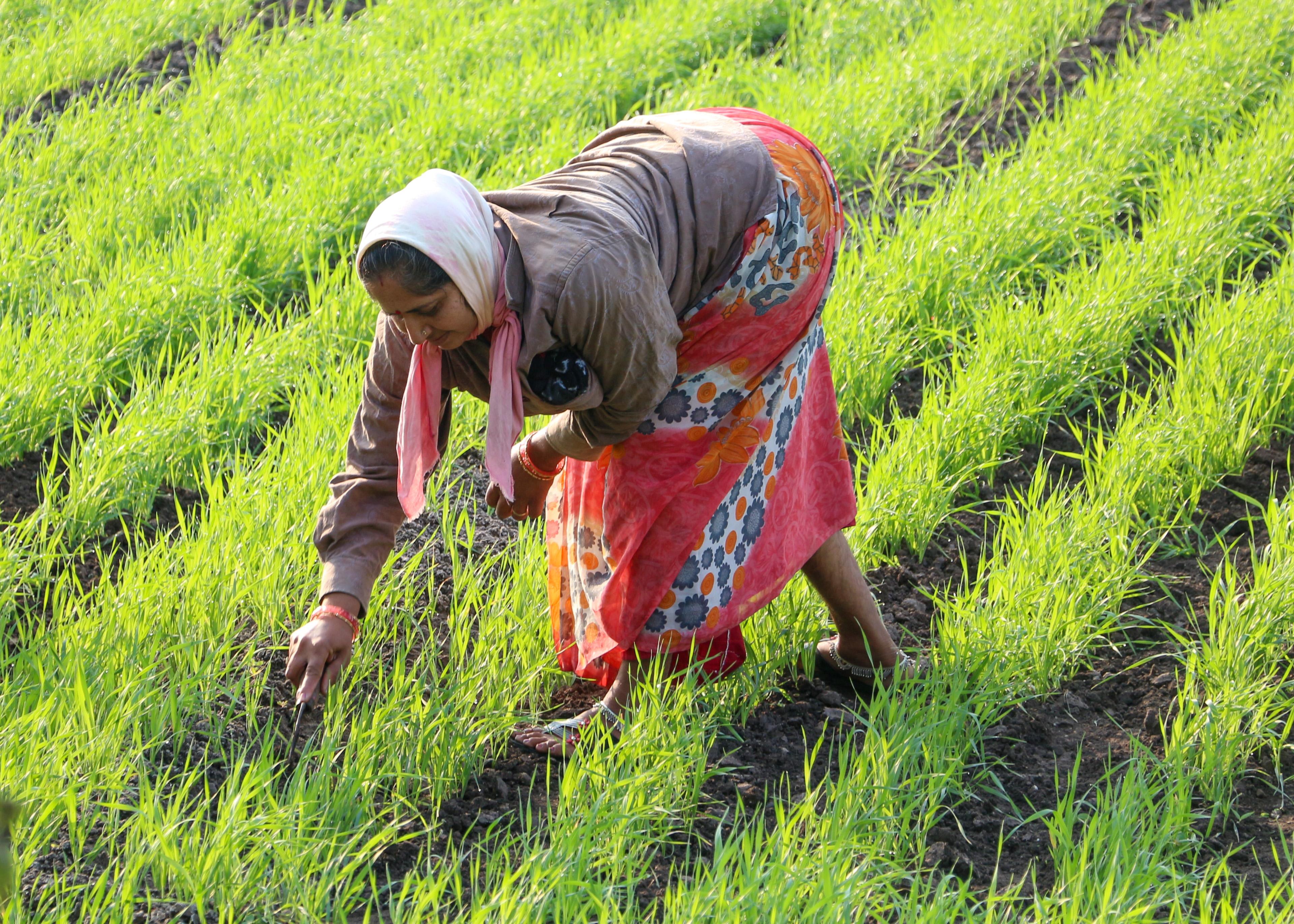
Enhancing Farmer Livelihoods Through Access to Advanced Milling Equipment
Access to advanced milling equipment has the potential to transform the livelihoods of farmers, especially in rice production. With modern milling machines, farmers can significantly enhance the quality and efficiency of their output. These machines not only streamline the milling process but also ensure higher yields and better market prices. The incorporation of technology in milling alleviates the burdens of labor-intensive practices, allowing farmers to focus on other vital agricultural tasks. With increased productivity, farmers can enjoy a more stable income and invest in improvements to their farming operations.
Investment in advanced milling technology brings a plethora of benefits, including:
- Improved Efficiency: Faster processing times lead to quicker turnaround for harvesting and distribution.
- Higher Quality Produce: Enhanced milling results in finer rice, appealing to consumers and raising market value.
- Sustainability: Reduction in waste and better utilization of resources contribute to eco-friendly practices.
- Access to New Markets: With better-quality products, farmers can reach more lucrative markets, thus expanding their customer base.
Furthermore, community collaborations can facilitate access to these resources. Agricultural cooperatives are increasingly pooling together funds to acquire milling equipment that can be shared among members, ensuring that even smallholder farmers benefit. This joint effort not only promotes better resource management but also fosters a sense of community and support among farmers. Below is a simple comparison of traditional versus advanced milling operations:
| Aspect | Traditional Milling | Advanced Milling |
|---|---|---|
| Processing Time | Longer | Significantly Shorter |
| Produce Quality | Variable | Consistently High |
| Labor Intensity | High | Low |
| Market Reach | Limited | Wider |
Future Trends in Rice Milling: Automation and Smart Technologies on the Horizon
The landscape of rice milling is on the verge of a significant transformation, fueled by automation and smart technologies. As the industry strives for greater efficiency and sustainability, we anticipate a surge in the adoption of automated systems that enhance production capabilities. These advancements not only promise higher outputs but also offer precision in milling processes. With sensors and AI-driven analytics, rice millers will be equipped to monitor quality in real-time, minimizing waste and maximizing yield. The ability to collect vast amounts of data will catalyze a new era of decision-making that relies on more than just experience but rather on intelligent insights derived from smart technologies.
Furthermore, robotic systems are set to revolutionize the handling and sorting of rice, ensuring consistency in quality while reducing human labor costs. By integrating IoT (Internet of Things) devices, stakeholders can expect improved supply chain management, providing them with visibility into every step of the milling process. The continuous feedback loops can lead to enhanced automation features, making mills more responsive to changes in demand patterns. Below are some anticipated benefits of these emerging trends:
- Increased Efficiency: Faster processing times with minimal human intervention.
- Enhanced Quality Control: Real-time monitoring ensures consistent quality.
- Data-Driven Decisions: Utilizing analytics for informed production strategies.
- Sustainability: Reduced energy consumption and waste through smart milling practices.
Key Takeaways
As we stand at the crossroads of tradition and innovation, the rise of milling machines marks a significant turning point in rice production. These mechanical marvels are not just enhancing efficiency; they are transforming the very fabric of how farmers cultivate and process this staple crop. With each revolution of the machine, we witness a blend of age-old practices and cutting-edge technology, allowing for greater yields and reduced labor. The journey of rice from paddy to plate is becoming smoother and more sustainable, promising to feed growing populations while preserving valuable resources.
As we look to the future, the integration of advanced milling technologies offers a glimpse of what is possible when innovation meets necessity. The path ahead is filled with potential, as communities across the globe harness these tools to not only improve their livelihoods but also to contribute to food security in an increasingly unpredictable world. In this era of change, the humble grain of rice continues to serve as a powerful symbol of resilience and progress, and the milling machine stands ready to lead the charge. Together, they are revolutionizing an age-old industry, ensuring that rice remains a cornerstone of sustenance for generations to come.




