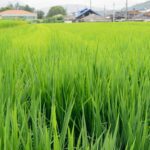
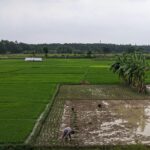
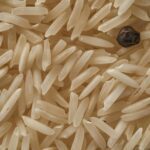
In the heart of rural landscapes, where golden fields sway under the gentle caress of the wind, a revolution is quietly unfolding—one that promises to transform the age-old rhythms of agriculture. Enter the portable rice milling machine, a beacon of innovation illuminating the path toward increased harvest efficiency. as smallholder farmers grapple with the intricacies of rice production, these compact marvels are emerging not merely as tools but as catalysts for change. They empower farmers to streamline their processes, reduce post-harvest losses, and elevate their livelihoods with newfound autonomy. In this article, we delve into the rise of these machines, exploring their impact on both the agricultural economy and the lives of those who depend on rice cultivation, as we unpack the story behind this modern-day farming transformation.
Understanding Portable Rice Milling Machines and Their Impact on Harvest Efficiency
Portable rice milling machines are transforming the landscape of agriculture by streamlining the post-harvest process. Unlike customary milling setups that require significant infrastructure and space, these compact machines can be transported directly to the fields, reducing the time and labor needed to move harvested grains to processing facilities. key benefits include:
- On-Site Processing: Farmers can mill rice immediately after harvest, preserving freshness and reducing spoilage.
- cost-Effectiveness: The ability to avoid transportation costs of raw grains enhances profit margins for smallholders.
- time Savings: Swift setup and operation means less time between harvest and sale, maximizing market opportunities.
the rise of these machines has led to a significant increase in harvest efficiency, impacting both rural economies and food security. By offering flexibility and convenience, portable rice milling machines empower farmers with greater control over their production timelines. The technology not only supports smoother operations but also encourages enduring practices through reduced waste. A comparison of traditional versus portable milling shows marked improvements:
| Aspect | Traditional Milling | Portable Milling |
|---|---|---|
| Location Requirement | Fixed processing Facility | Mobile, Field-Based |
| Processing Time | Longer due to transportation | Immediate post-harvest |
| Cost Efficiency | Higher due to logistics | Lower with fewer overhead costs |
Key Features to Look for in Modern Rice Milling Technologies
Modern rice milling technologies have evolved significantly, incorporating features that prioritize efficiency and user-friendliness. Automated adjustments for milling settings are now commonplace,allowing operators to quickly switch between diffrent rice types or qualities with minimal downtime. Additionally,energy efficiency plays a crucial role; machines are designed to consume less power,thus reducing operational costs while maintaining high throughput. Another key aspect is compact design, which aids portability and ease of transportation, making it feasible for small-scale farmers to bring milling capabilities closer to the field, resulting in freshly milled rice and reduced post-harvest losses.
Furthermore, innovative milling machines now integrate smart technology, enabling real-time monitoring and data analytics. This allows farmers to track yield, quality, and processing times, ultimately leading to better decision-making and optimized operations.User-amiable interfaces ensure that even those with minimal technical knowledge can operate the machines seamlessly. As an added benefit, many of these machines come equipped with self-cleaning features, reducing maintenance time and enhancing longevity.The combination of these features not only fosters accessibility for smallholder farmers but also contributes to sustainable agricultural practices by minimizing waste and maximizing productivity.
| Feature | Description |
|---|---|
| Automated Adjustments | Quick adaptation to different rice varieties |
| Energy Efficiency | lower power consumption, reduced costs |
| Smart Technology | Real-time monitoring and analytics |
Maximizing Yield: Best Practices for Utilizing Portable Rice Mills
To significantly enhance the output of your rice farming operations, the strategic use of portable rice milling machines is crucial. These adaptable tools are not just time-saving; they also contribute to the preservation of rice quality and minimize post-harvest losses. by implementing best practices, farmers can ensure they get the most value from their portable mills. Key practices include:
- Regular Maintenance: Frequent checks and servicing can prevent breakdowns and ensure optimal performance.
- Proper Calibration: Adjusting the settings on the mill according to the type and moisture content of the rice can improve milling efficiency.
- Strategic Scheduling: Timing the milling process to coincide with peak harvest periods can help manage workflow better.
- Training Users: Educating operators on the best practices and features of the milling machine enhances productivity and safety.
One of the most impactful strategies revolves around enhancing the relationship between the mill’s capabilities and on-the-ground realities. For instance, understanding the moisture levels can significantly influence the milling outcome. A simple guide could be implemented for quick reference:
| Moisture Level (%) | Suggested Mill Setting | Expected Output Quality |
|---|---|---|
| 13-15 | Medium | High-quality milled rice |
| 10-12 | Low | Risk of breakage |
| 16+ | High | Suboptimal milling |
Choosing the right settings based on this moisture level guide can lead to better yield quality and, ultimately, higher profits. By maximizing the paired efficiency of portable rice mills with careful calibration and maintenance, farmers can not only boost their harvest efficiency but also create a sustainable model for ongoing success in rice production.
The Future of Rice Production: Trends and Innovations in Milling Solutions
The rise of portable rice milling machines is revolutionizing the agricultural landscape by offering unprecedented advantages to farmers worldwide. These compact and efficient units are designed to maximize harvest efficiency and minimize post-harvest losses. With the ability to be transported easily,they allow for on-site milling,which significantly reduces the need for long-distance transportation of freshly harvested rice. This, in turn, not only preserves the quality of the grain but also decreases fuel and labor costs associated with transportation. As farmers increasingly adopt these innovative solutions, they are experiencing greater flexibility and control over their production processes.
Additionally, advancements in technology have led to the introduction of features such as solar-powered milling options, which align with sustainability goals by reducing reliance on fossil fuels. the integration of smart technology into portable milling machines also allows for real-time monitoring and optimization of the milling process, ensuring that farmers achieve the highest quality rice with minimal waste. Key features of contemporary portable rice milling machines include:
- Compact design for easy handling and mobility
- Energy-efficient operation,including solar-powered models
- Real-time monitoring systems for process optimization
- Multi-functionality,catering to both milling and cleaning needs
| Feature | Benefit |
|---|---|
| Portability | On-site milling reduces transportation costs |
| Solar Power | Environmentally friendly and cost-efficient |
| Smart Technology | Enhances efficiency and quality control |
Closing Remarks
As we conclude our exploration of harvest efficiency and the transformative role of portable rice milling machines,it’s clear that this innovation is more than just a technological advancement; it’s a lifeline for countless farmers around the globe. By bridging the gap between labor-intensive processes and the demand for quality rice production, these machines are redefining agricultural practices, enhancing productivity, and promoting sustainability.the rise of portable rice milling machines signifies a shift towards a more efficient and accessible means of processing, where even the smallest farmers can reap the benefits of modern technology. As we look to the future, it becomes essential to harness such innovations not only to improve yield but also to address the challenges posed by climate change and food security.In a world that demands greater agility and efficiency in the food production chain, the humble rice grain, once bound by the limitations of older milling methods, now finds itself at the forefront of change. The journey of these portable machines has just begun, promising an exciting era of convenience and productivity. By fostering further advancements and continuing to support the agricultural community, we pave the way for a thriving future—one where every grain counts, and every farmer thrives.