
In the world of grains, few staples hold as much significance as rice. From hearty meals to delicate dishes, this versatile ingredient has woven itself into the fabric of culinary traditions across the globe. However, the journey from paddy to plate is a complex one, heavily influenced by the quality of rice produced by mills. As consumers increasingly seek out not only taste but also nutritional value and sustainability, the spotlight shines on the rice milling industry. In this article, we embark on a journey to unveil the top rice mills, guiding you through a selection of producers renowned for their commitment to quality, innovation, and ethical practices. Whether you’re a home cook, a culinary professional, or simply a rice enthusiast, understanding where your grains come from can enhance your appreciation of this essential food. Join us as we explore the leading rice mills and their dedication to delivering the finest grains to your table.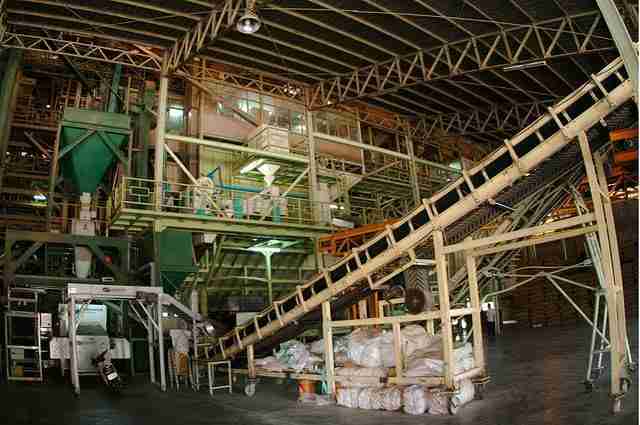
Exploring the Legacy of Rice Milling: A Journey Through History and Innovation
As we delve into the rich tapestry of rice milling, we uncover a fascinating history intertwined with innovation and cultural significance. For centuries, rice milling has served as a critical process in transforming raw paddy into the polished grains we cherish today. This journey begins in ancient times, where simple methods like hand pounding gave way to more sophisticated techniques. The introduction of water-powered mills and, later, steam-powered machinery revolutionized efficiency and yield, allowing surrounding communities to thrive. Traditions of mill design often reflect local cultures and customs, while modern advancements focus on sustainability and the integration of technology.
Today, rice mills stand not just as production facilities but as symbols of resilience and adaptability. They embrace state-of-the-art machinery that enhances quality through precision and consistency, ensuring that every grain meets the highest standards. Some key aspects of contemporary rice milling include:
- Automated Processing: Minimizing human intervention for enhanced hygiene and productivity.
- Quality Control: Stringent measures to ensure only the best grains reach the consumer.
- Eco-Friendly Practices: Implementing energy-efficient technologies and waste management systems.
| Milling Innovation | Impact |
|---|---|
| Solar Drying Technologies | Reduces energy costs and minimizes carbon footprint. |
| Digital Tracking Systems | Enhances supply chain transparency and quality assurance. |
Ultimately, the legacy of rice milling reflects a continuous cycle of tradition and modernity, illustrating how ancient practices can evolve into today’s highly efficient processes. The industry is not only about producing rice but also about maintaining a connection to history while paving the way for future innovations that benefit both producers and consumers alike.
Quality Indicators: What to Look for When Choosing a Rice Mill
When selecting a rice mill, it’s essential to assess several key features that can significantly impact the quality of the grains produced. First and foremost, consider the mill’s technology and equipment. Look for mills that utilize modern milling techniques, which can enhance the extraction rate while minimizing broken grains. Additionally, the mill’s capacity to maintain consistent temperature and humidity is vital, as these factors greatly influence the final product’s quality. Opt for mills that have implemented advanced cleaning and sorting mechanisms to ensure only the best grains make it to the packaging stage.
Another critical factor to evaluate is the quality assurance processes in place. Trustworthy rice mills typically have a set of rigorous checks that ensure the output meets industry standards. Inquire about their quality certifications—whether they comply with ISO standards or have received endorsements from relevant agricultural bodies. Furthermore, customer service and transparency matter: a reputable mill should be willing to share information about their sourcing practices and provide samples for testing before bulk orders. This will help you evaluate not only the grains’ quality but also the mill’s commitment to excellence.

Sustainability in Rice Production: Eco-Friendly Practices and Certifications
In the world of rice production, a growing emphasis on sustainability is reshaping farming practices and consumer preferences alike. Modern rice mills are increasingly adopting eco-friendly methodologies to minimize their environmental impact, while still ensuring high-quality grains. Techniques such as crop rotation, integrated pest management, and water conservation are becoming standard. Farmers are using less synthetic fertilizer and embracing organic inputs to enhance soil health and biodiversity. This not only improves the nutritional profile of the rice but also helps preserve local ecosystems.
Certifications play a crucial role in promoting sustainable rice cultivation. Several recognized standards guide both growers and consumers toward more responsible choices. Here are a few notable certifications that rice mills may possess:
- GlobalGAP: Assures food safety and sustainability in agricultural production.
- Fair Trade: Supports better trading conditions and sustainable farming for marginalized producers.
- USDA Organic: Certifies that the rice is grown without synthetic pesticides or genetically modified organisms.
These certifications not only guarantee the rice’s quality, but they also foster a greater sense of accountability among producers, which is essential for cultivating a sustainable future in agriculture.
Top Picks: Recommended Rice Mills for Exceptional Quality and Value
If you are looking for rice mills that exemplify exceptional quality and value, several brands stand out in the market. Each of these mills has earned a reputation for delivering high-quality grains that not only meet but exceed customer expectations. From traditional varieties to modern blends, these producers maintain rigorous quality control processes to ensure that every grain is perfect. Some of the top picks include:
- Grain Masters Mill: Renowned for its organic offerings and sustainable farming practices.
- Golden Harvest Mills: Famous for its aromatic basmati and jasmine rice, ideal for versatile culinary applications.
- Harvest Moon Mill: Offers a wide range of specialty rice, favored for its rich texture and taste.
- Pure Grain Co: Known for its innovative milling techniques that enhance flavor and nutritional value.
When selecting a rice mill, consider the various aspects of their production process, from selecting high-quality paddy to leveraging cutting-edge technology for milling. The following table outlines key features that can help guide your decision:
| Brand | Key Feature | Price Range |
|---|---|---|
| Grain Masters Mill | Organic grains | $5 – $10 per kg |
| Golden Harvest Mills | Aromatic varieties | $4 – $9 per kg |
| Harvest Moon Mill | Specialty production | $6 – $12 per kg |
| Pure Grain Co | Innovative milling | $5 – $11 per kg |
To Wrap It Up
As we bring our exploration of the top rice mills to a close, it’s clear that the journey through the world of quality grains is as enriching as it is essential. Each mill, with its unique processes and dedication to excellence, contributes to a broader tapestry that fulfills our culinary needs and enhances our everyday meals. Armed with this guide, you are now equipped to navigate the myriad options available, ensuring that each grain you select meets your standards for quality and flavor. Whether you’re a seasoned chef or a home cook, the right choice can elevate your dishes, bringing forth the true essence of rice. Embrace the knowledge you’ve gained and let it inspire your next culinary adventure, one grain at a time. Happy cooking!




