In the world of culinary delights, few foods are as universally cherished as rice. From the comforting bowls of jasmine served with fragrant curries to the sticky sushi that graces our favorite sushi bars, this versatile grain fills our plates and nourishes our bodies. But the journey from paddy field to pantry is one we often take for granted. Enter the unsung heroes of the grain industry: rice mills. With a blend of tradition and innovation, these establishments play a pivotal role in transforming rough rice into the perfect kernels we treasure in our meals. In this article, we invite you to explore the top rice mills, uncovering the craftsmanship, sourcing practices, and quality assurance that set them apart. Join us as we embark on a flavorful expedition to help you find the ideal rice for your culinary creations, ensuring every grain tells a story of quality and care.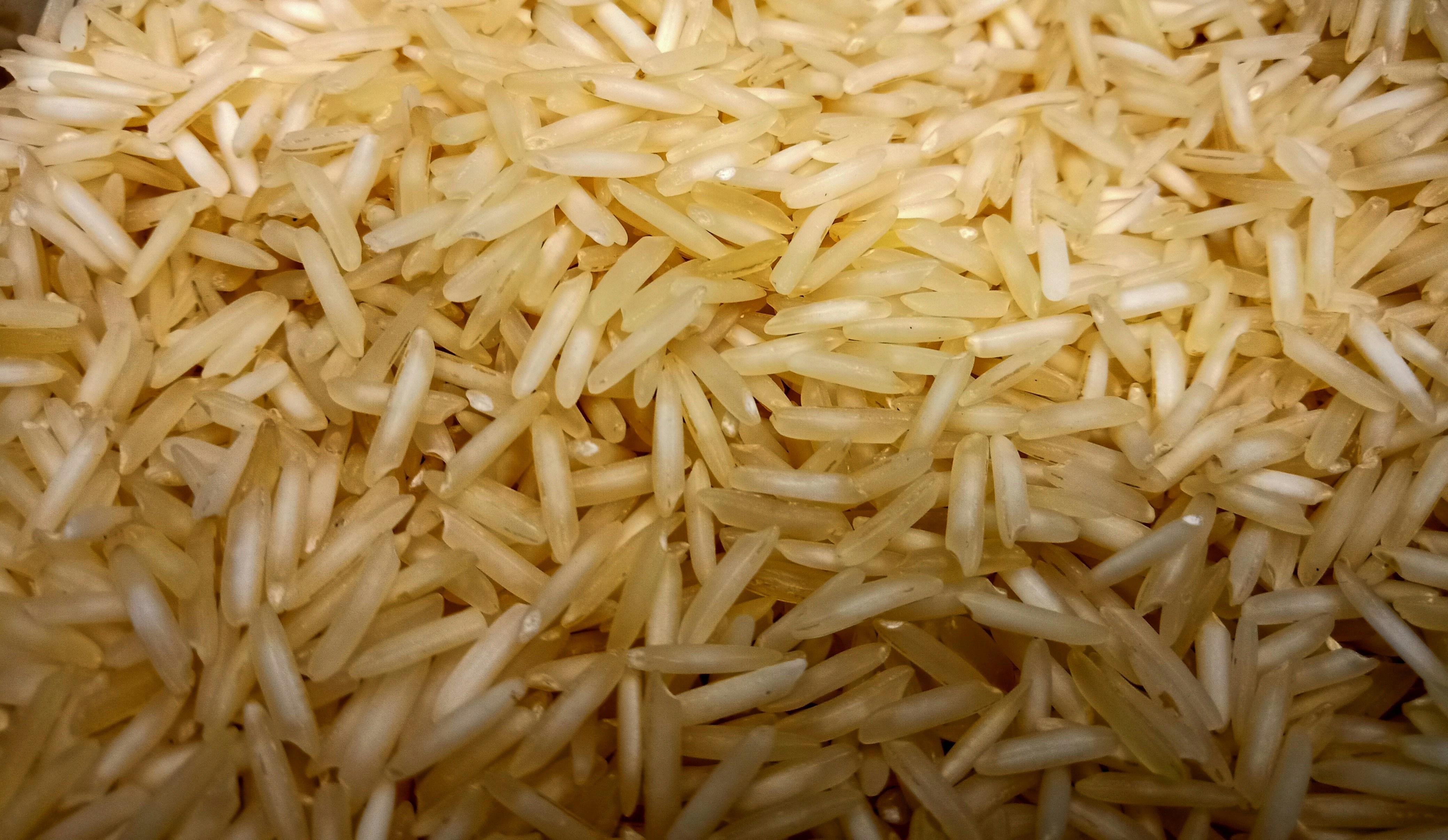
Understanding Rice Varieties: Choosing the Right Grain for Your Cuisine
When it comes to cooking, selecting the right rice variety is crucial for achieving authentic flavors and textures in your dishes. Different types of rice offer unique characteristics that cater to various cuisines. As a notable example, Basmati rice is renowned for its long grains and aromatic fragrance, making it the perfect complement for Indian biryanis and pilafs. Conversely, Jasmine rice is a staple in Southeast Asian cuisine, celebrated for its slightly sticky texture and sweet aroma, ideal for stir-fries and curries. Here are some popular varieties to consider:
- Arborio: Creamy risottos
- Short Grain Sushi Rice: Perfect for sushi rolls and nigiri
- Brown Rice: Nutty flavour and chewy texture; great for healthy dishes
- Wild Rice: Not actually rice; adds a unique flavor in salads and sides
Understanding these differences allows cooks to make informed choices that elevate their meals. pairing the right variety with the correct cooking method and seasoning amplifies the dish’s potential. For instance, utilizing the absorption method is ideal for long-grain rice varieties, as it enhances their fluffy texture, while the stir-fry technique suits short-grain or sticky rice for a satisfying bite. To summarize, here’s a swift guide to rice cooking methods and their suitability:
| Rice Type | Best Cooking Method |
|---|---|
| Basmati | Absorption |
| Jasmine | Steaming |
| Arborio | Stirring (Risotto) |
| short Grain | Steaming |

Inside the milling Process: How Quality is achieved from Field to Table
At the heart of remarkable rice lies the milling process, a delicate balance of art and science that transforms raw paddy into the pristine grains we cherish. This intricate journey begins long before the rice reaches the mill; it starts in the fields where farmers cultivate each rice variety with care,ensuring qualities like taste,aroma,and texture are infused from the very beginning. Upon harvest, rice undergoes initial cleaning to remove impurities, followed by drying to reach optimal moisture levels. It is indeed at this stage that the quality of grain is preserved, setting the foundation for superior milling. the basic steps in achieving quality during milling include:
- Hulling: Removal of the outer husk to reveal the brown rice.
- Whitening: Polishing the grain to enhance visual appeal.
- Grading: Sorting grains by size and quality for uniformity.
Each of these steps plays a pivotal role, ensuring that the end product meets consumer expectations. Modern rice mills leverage advanced technology to monitor each phase of the process, utilizing precision machinery that guarantees minimal grain breakage and maximum yield. Moreover, the integration of quality control systems allows for real-time adjustments, preserving the integrity of rice while enhancing its nutritional value. Below is a simplified overview of how different milling techniques impact rice quality:
| Milling Technique | Impact on Grain |
|---|---|
| Traditional Milling | Retains more nutrients, often leading to a richer flavor. |
| Modern Milling | Enhances appearance, often resulting in a longer shelf life. |
Spotlight on Leading Rice Mills: A Closer Look at Industry Pioneers
In the vast landscape of rice production, certain mills have emerged as true trailblazers, setting benchmarks for quality, efficiency, and sustainability. These industry leaders not only prioritize the grain’s quality but also pioneer practices that benefit local economies and the habitat. The following rice mills exemplify innovation and excellence:
- Golden Harvest Mills: Renowned for their commitment to organic farming,ensuring a clean and sustainable product.
- Evergreen Rice Co.: Implements cutting-edge milling technology that maximizes yield while minimizing waste.
- Harvest Moon Rice Mill: Focuses on sourcing rice directly from farmers, supporting local agriculture and community development.
- Pinnacle Grains: Offers a variety of rice types and has won multiple awards for product quality and taste.
Exploring these leading rice mills will reveal a world where tradition meets innovation. Their approaches not only enhance the quality of rice but also address crucial issues such as climate change and food security. Take a look at the following comparative table that highlights some of their key features:
| Mills | Organic Options | Technology used | Community Engagement |
|---|---|---|---|
| Golden Harvest Mills | Yes | Traditional & Modern Techniques | Direct Farmer Support |
| Evergreen Rice Co. | No | High-efficiency Milling | Environmental Initiatives |
| Harvest Moon Rice Mill | Yes | Modern Milling Equipment | Local Farmer Partnerships |
| Pinnacle Grains | Yes | Steam and Pressure Technologies | Community Development Programs |
Sourcing and Sustainability: Making Informed Choices for Your Kitchen
Choosing the right rice for your culinary adventures extends beyond taste and texture—it’s also about the impact your choices have on the environment and local communities. Sustainable sourcing means considering where your rice comes from and how it’s produced. Be mindful of certifications that denote environmentally friendly practices, such as organic or Fair Trade. When shopping for rice, seek out brands that prioritize sustainability in their operations, ensuring they reduce waste and minimize their carbon footprint while supporting local farmers. This not only helps maintain ethical standards but also promotes a healthier ecosystem.
Moreover, understanding the types of rice you are purchasing can enhance your kitchen experience immensely. Different grains come with varying benefits,presentation,and culinary uses. here are some popular rice types paired with their sustainability benefits:
| Type of Rice | Sustainability Benefit |
|---|---|
| Basmati | Traditionally grown in the Himalayas, prioritizing water conservation. |
| Brown Rice | Less processed, retains nutrients, and encourages organic farming. |
| Jasmine | Often cultivated by small-scale farmers using sustainable methods. |
| Wild Rice | Harvested sustainably, promoting biodiversity and habitat preservation. |
Every grain you select can tell a story of culture and responsibility.make informed choices that support sustainable practices while delighting your palate. By being educated about sourcing and understanding the variety of rice options available, you contribute not only to your own dining experience but also to a larger movement towards mindful consumption.
Insights and Conclusions
the journey through the realm of rice mills reveals a tapestry of tradition, innovation, and culinary potential. As we’ve unveiled the top players in this essential industry, it becomes clear that choosing the right rice mill isn’t just about selecting a brand; it’s about discovering the heart of your meals. Each grain tells a story, shaped by the meticulous processes and dedication of those behind it. Whether you’re seeking the subtle sweetness of premium basmati or the comforting familiarity of jasmine, this guide equips you with the insights needed to make a well-informed choice. So, as you stand in the rice aisle or browse online, remember that the perfect grain awaits, ready to become a cherished part of your culinary adventures. Happy cooking,and may each meal bring you joy!