
In an age where innovation continues to redefine the agricultural landscape, the rice mill stands as a cornerstone of transformation in the grain processing industry. Among the myriad advancements, the 5-ton rice mill emerges as a pivotal development, promising efficiency, sustainability, and enhanced productivity for smallholder farmers and large-scale operations alike. This article sets out to uncover the intricate dynamics that underpin this revolutionary machinery, exploring its design, capabilities, and the far-reaching impact it has on economies and communities. Join us as we delve into the world of rice milling, revealing how this powerful machine is not just a tool, but a catalyst for change in the way we cultivate, process, and appreciate one of the world’s most essential staples.
Understanding the Mechanisms Behind Modern Rice Milling Technology
Modern rice milling technology has undergone a significant transformation, largely driven by the need for efficiency and quality. The intricate processes involved in rice milling today are designed to optimize the yield while maximizing the nutritional value of the grains. Key mechanisms at play include pre-cleaning, hulling, and polishing, each employing advanced machinery to ensure minimal grain breakage. The use of automated systems not only speeds up these processes but also enhances precision, allowing millers to produce rice that meets diverse market demands.
One of the standout features of contemporary milling systems is the integration of mechanical and digital technologies. This convergence facilitates real-time monitoring of the milling operations, enabling adjustments that enhance performance and reduce waste. Components such as paddy separators and de-stoners play crucial roles in maintaining purity and quality, while temperature-controlled drying systems prevent spoilage and preserve taste. Below is a summary of essential components in modern rice milling:
| Component | Function |
|---|---|
| Paddy Separator | Sorts paddy from brown rice post-hulling. |
| De-stoner | Removes stones and impurities from rice grains. |
| Polisher | Enhances the appearance and quality of milled rice. |
| Drying System | Ensures controlled moisture content in rice. |

Exploring the Economic Impact of Enhanced Rice Production
Enhanced rice production through advanced milling technology not only transforms local agricultural practices but also serves as a catalyst for significant economic growth in communities reliant on rice farming. By implementing 5-ton rice mills, farmers can experience numerous benefits that ripple through the economy. Increased efficiency in milling processes leads to reduced post-harvest losses, which directly enhances food security and income levels for farmers. Moreover, these improvements can foster entrepreneurial opportunities by enabling farmers to process their rice locally, thus reducing dependency on larger, centralized milling operations.
The impact of bolstered rice production extends beyond agricultural realms, creating a multiplier effect that touches various sectors of the economy. Enhanced income generation allows families to invest in education, healthcare, and local businesses, promoting overall community development. Furthermore, with better-quality rice and larger surplus production, markets can expect to see increased trade opportunities both locally and in export markets. This, in turn, encourages infrastructure development, creating jobs and improving livelihoods. The following table summarizes the key economic benefits attributed to increased rice production from advanced milling systems:
| Benefit | Description |
|---|---|
| Increased Income | Higher prices for quality rice lead to improved farmer earnings. |
| Job Creation | Need for workers in logistics, milling, and sales increases local employment. |
| Market Access | Enhanced production opens up opportunities for local and regional trade. |
| Investment in Community | Surplus profits can be reinvested for better community services and infrastructure. |
Sustainable Practices in the Operation of 5 Ton Rice Mills
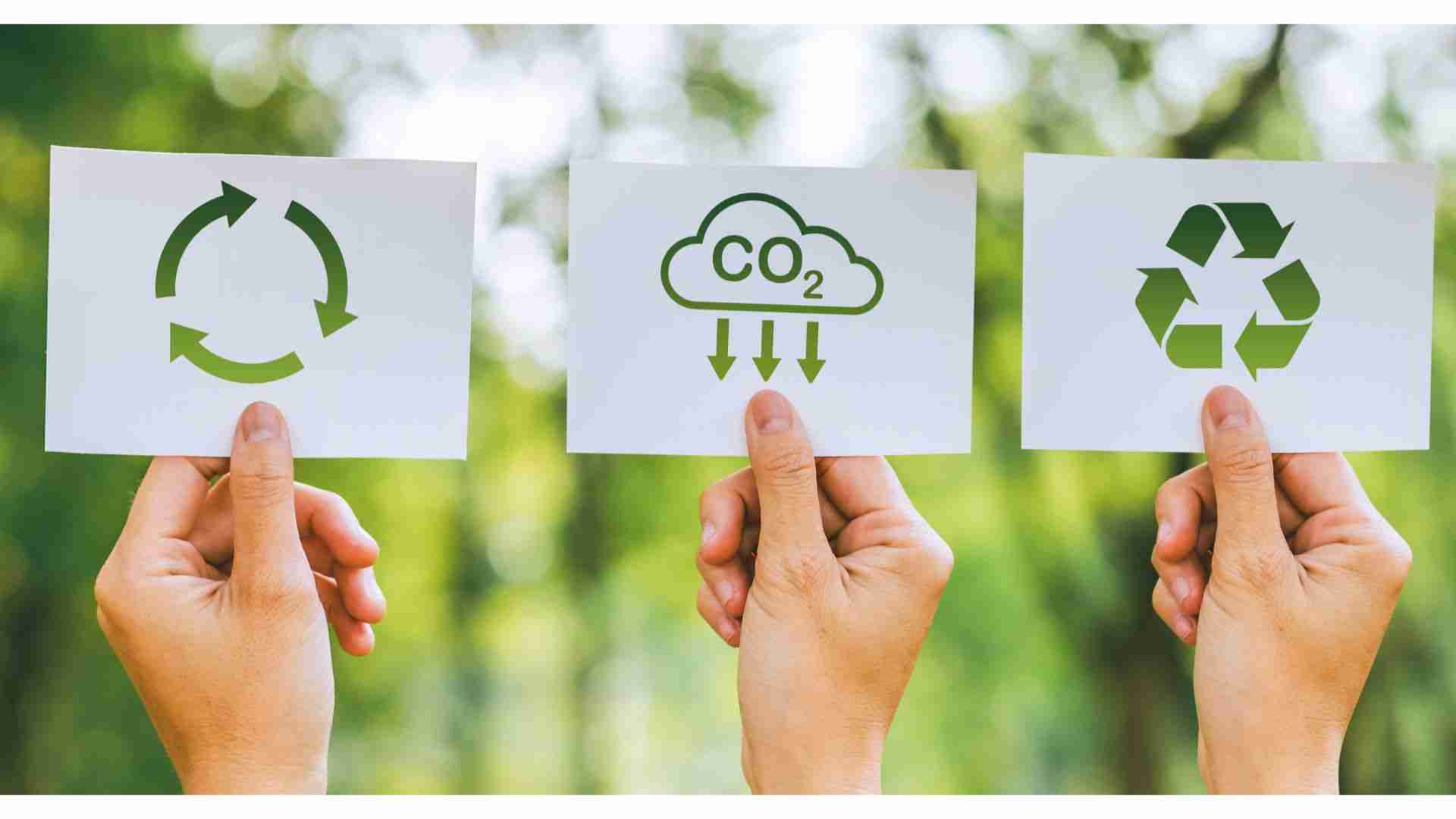
As the rice milling industry evolves, incorporating sustainable practices has become crucial for reducing environmental footprints while enhancing operational efficiency. The implementation of energy-efficient machinery in 5 ton rice mills not only minimizes energy consumption but also optimizes performance. Mills can harness renewable energy sources, such as solar panels, to power their operations, significantly decreasing reliance on fossil fuels. Additionally, utilizing advanced technologies for water recycling ensures that the milling process operates with minimal waste, further contributing to sustainability.
Moreover, adopting eco-friendly packaging solutions can dramatically impact the supply chain. Mills can switch to biodegradable or recyclable materials, which not only align with environmental goals but also attract eco-conscious consumers. The focus on local sourcing of rice can reduce transportation emissions and support community economies. Implementation of proper waste management systems is essential, as it allows producers to transform by-products into valuable resources, such as compost or animal feed. By embracing these practices, 5 ton rice mills can play a pivotal role in fostering a more sustainable agricultural landscape.
Future Trends and Innovations Shaping the Rice Milling Industry
As the rice milling industry evolves, several future trends and innovations are poised to redefine operational efficiency and sustainability. The advent of smart milling technology—integrating IoT devices and AI—is revolutionizing how mills operate. These technologies enable real-time monitoring of milling processes, ensuring optimal settings for quality output while minimizing energy consumption. Furthermore, advancements in automated machinery are reducing labor costs and increasing throughput. Mills equipped with robotics can simultaneously handle multiple tasks, streamlining operations without compromising quality.
Additionally, the shift toward sustainability is gaining momentum, driven by consumer demand for environmentally-friendly practices. Innovative solutions such as bioenergy production from rice husk waste are emerging, allowing mills to convert by-products into valuable energy sources. Blockchain technology is also making its mark, enhancing transparency and traceability in rice supply chains. This can facilitate better market access for producers, ensuring fair prices and quality assurance. The integration of these futuristic trends illustrates a dynamic transformation in the rice milling sector, positioning it for a resilient and prosperous future.
Future Outlook
As we conclude our exploration of the 5-ton rice mill revolution, it becomes evident that this remarkable innovation is not merely about increasing productivity; it symbolizes a transformative shift in the agricultural landscape. By marrying traditional practices with modern technology, the 5-ton rice mill is poised to redefine rice milling efficiency, significantly enhance farmer incomes, and contribute to food security on a broader scale.
The journey of uncovering the power behind these machines reveals a tapestry of stories woven by the industrious hands of farmers and entrepreneurs alike. It is a testament to human ingenuity and the relentless pursuit of progress. As we stand at this crossroads of innovation, the implications for smallholder farming, rural economies, and sustainable practices are profound.
the 5-ton rice mill not only represents a tool for production but also a beacon of hope – a catalyst for change that could uplift communities and empower a new generation of agricultural producers. As we embrace this revolution, let us remain mindful of the challenges ahead and work collectively to harness this power for feeding the future while fostering resilience and sustainability in our agricultural systems.
In closing, the road to a thriving rice milling industry is paved with opportunities and responsibilities. Let us take these insights forward, propelled by the promise of what lies ahead. The future is ripe, and the seeds of change have already been sown.




