
Unveiling the Heart of Grain: The Rice Mill Revolution
In the quiet heart of rural landscapes, where golden fields stretch towards the horizon, the humble grain of rice has woven itself into the fabric of cultures worldwide. Yet, beneath the surface of this staple lies a transformative story: the rise of the rice mill revolution, a movement that is not just reshaping agriculture but reimagining the very essence of food production. As technology intertwines with tradition, rice mills are evolving from basic mechanized processes to sophisticated centers of innovation and sustainability. This article delves into the adaptive strategies and advancements driving this revolution, exploring how they enhance efficiency, support local economies, and address the growing global demand for this vital crop. Join us as we unveil the intricate mechanisms and vibrant narratives that lie at the heart of grain, illuminating the pivotal role of rice mills in the modern agricultural landscape.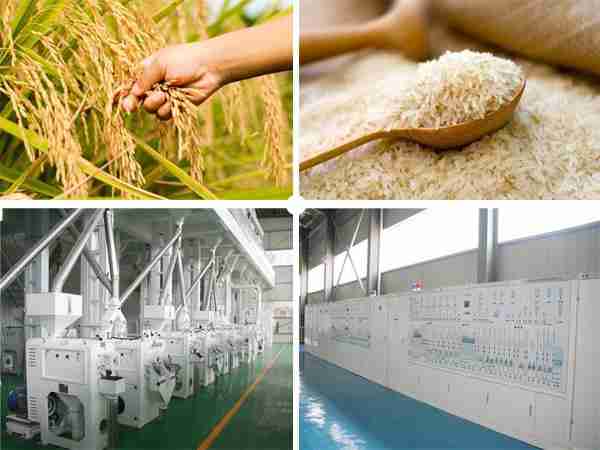
Exploring the Evolution of Rice Milling Technologies
The journey of rice milling technologies reflects a remarkable blend of tradition and innovation, transforming how one of the world’s most essential staples is processed. From rudimentary tools such as hand-operated mortars and pestles used in ancient civilizations to the emergence of mechanical mills in the industrial age, the evolution has been dramatic. Key milestones include:
- Hand-Pounding: One of the oldest methods, where grains are manually pounded with heavy stones.
- Water-Powered Mills: Utilizing rivers and streams to power wooden gears for grinding rice.
- Steam-Powered Machinery: A revolutionary shift in the 19th century allowing for mass production.
- Modern Automated Systems: Incorporating advanced technologies like sensors and robotics to enhance efficiency and reduce labor.
Today’s rice mills showcase a fascinating integration of technology aimed at increasing output while preserving grain quality. Recent innovations have not only focused on efficiency but also on sustainability and eco-friendliness, with many facilities adopting energy-efficient machinery. The following table outlines the comparison of traditional vs. modern milling techniques:
| Aspect | Traditional Milling | Modern Milling |
|---|---|---|
| Energy Source | Human or animal power | Electric or solar powered |
| Milling Output | Low | High |
| Quality Control | Manual Inspection | Automated Sensors |
| Environmental Impact | Higher | Lower |
As the global demand for rice continues to rise, the quest for more efficient, economical, and sustainable milling technologies represents a critical aspect of agricultural advancement. Innovations such as AI-driven analytics and IoT sensors promise next-level monitoring and optimization, ensuring rice remains at the heart of both tradition and modernity in the culinary world.

Sustainability Practices in Modern Rice Production
In the ever-evolving landscape of agriculture, modern rice production has taken significant strides towards sustainable practices, ensuring both environmental integrity and economic viability. Farmers are now embracing integrated pest management (IPM), a holistic approach that minimizes chemical use while maximizing crop health. This involves systems like crop rotation and the introduction of natural predators to combat pests. Additionally, the adoption of precision agriculture technologies helps farmers monitor soil health and water usage, leading to more efficient practices that conserve resources and enhance yields. These innovative strategies not only improve the quality of the rice produced but also safeguard the ecosystems surrounding rice farms.
Another notable trend in sustainable rice production is the incorporation of agroecological principles, which promote biodiversity and resilience within farming systems. By utilizing cover crops, farmers can enhance soil fertility and prevent erosion while providing habitat for beneficial insects. The focus on organic fertilizers, such as compost and green manure, plays a pivotal role in reducing reliance on synthetic substances. Furthermore, community-supported agricultural initiatives are emerging, empowering local farmers to share knowledge and sustainably cultivate rice together. Such collaborative efforts not only ensure food security but also foster a deeper connection between consumers and the origins of their food.
Here’s a brief overview of some sustainable practices:
| Practice | Description |
|---|---|
| Integrated Pest Management (IPM) | Utilizes natural predators and biocontrol methods to reduce crop pests |
| Precision Agriculture | Employs technology to optimize field-level management regarding crop farming |
| Cover Crops | Crops planted to cover soil, improve fertility, and prevent erosion |
| Agroecological Principles | Implements practices that promote biodiversity and ecosystem health |
| Community-Supported Agriculture | Encourages cooperative farming and direct connection with consumers |

Maximizing Efficiency: Strategies for Workflow Optimization
In the bustling world of rice milling, finding ways to streamline operations is crucial for maximizing productivity and minimizing waste. One effective approach is to implement a structured workflow that prioritizes key processes. By focusing on collaboration and communication, teams can ensure that everyone is on the same page and that tasks are executed seamlessly. Utilizing software solutions can also help in tracking progress and resource management, allowing for real-time adjustments and data-driven decisions. Implementing lean manufacturing principles can further reduce inefficiencies, cutting down on unnecessary steps and focusing on value-added activities.
Moreover, investing in training for staff can elevate skill levels and promote a culture of continuous improvement. Engaging employees in the optimization process fosters a sense of ownership and encourages innovative thinking. Regular feedback loops, such as weekly check-ins or performance assessments, can help identify pain points that need addressing. With the right tools and strategies in place, rice mills can not only enhance their operational efficiency but also pave the way for sustainable growth. Consider the following elements that should be evaluated for optimization:
- Equipment Maintenance: Schedule regular inspections to prevent downtime.
- Resource Allocation: Ensure optimal use of labor and machinery.
- Data Analysis: Utilize KPI metrics to inform decision-making.
| Optimization Area | Impact |
|---|---|
| Workflow Automation | Reduces manual errors and speeds up production. |
| Inventory Management | Minimizes waste and ensures timely procurement. |
| Employee Engagement | Increases morale and efficiency in operations. |
The Future of Rice Mills: Embracing Innovation for Growth
The transformation of rice mills is not merely a trend; it embodies the fusion of tradition with cutting-edge technology. As the demand for quality rice surges globally, rice mills must adapt by integrating automation and data analytics. With innovative machinery that streamlines operations and maximizes efficiency, these facilities can produce higher quantities of a superior product while minimizing waste. Investing in smart milling systems enables real-time monitoring of processes, ensuring that every grain is processed to perfection. The deployment of these technologies not only boosts productivity but also establishes a more sustainable model of rice milling, benefiting both producers and the environment.
Moreover, the future of rice mills lies in harnessing renewable energy sources and eco-friendly practices. Many rice mills are now exploring options such as solar and biomass energy to power their operations, significantly reducing their carbon footprint. Beyond energy efficiency, mills are increasingly focused on implementing strategies that enhance supply chain transparency and traceability. By fostering stronger relationships with farmers and distributors, mills can ensure the quality and safety of their rice. Here’s a glimpse of the pioneering innovations shaping the next generation of rice milling:
| Innovation | Description |
|---|---|
| Automated Milling Systems | Reduces labor costs while increasing consistency in grain quality. |
| Data-Driven Quality Control | Utilizes analytics to enhance product quality and reduce waste. |
| Renewable Energy Solutions | Incorporates solar and biomass to lower energy costs and emissions. |
| Supply Chain Transparency | Ensures product integrity from farm to consumer through better tracking. |
Insights and Conclusions
the rise of modern rice mills marks a significant turning point in the agricultural landscape, reshaping not only how rice is processed but also how it is perceived and valued across the globe. As we peel back the layers of tradition and innovation, it becomes clear that this revolution extends beyond mere machinery—it’s about enhancing livelihoods, sustaining communities, and ensuring food security in an ever-evolving world. From the bustling millers to the dedicated farmers, each stakeholder plays a vital role in this intricate tapestry of grain production. As we move forward, the challenge will be to balance technological advancements with sustainable practices, ensuring that the heart of grain continues to nourish and inspire generations to come. The humble rice mill, once merely a stop along the way from field to fork, now stands at the forefront of a movement that celebrates both heritage and progress. In this exciting new era, we can only imagine the possibilities yet to unfold.




