In the quiet hum of machinery and the rhythmic dance of grains, a transformative journey unfolds—one that traces the evolution of rice milling from ancient practices to modern marvels. “Unveiling the Heart of Grain: The Modern Rice Mill Journey” invites readers to explore the pivotal role rice mills play in food production, culture, and economy. As we delve into the intricate processes that breathe new life into harvested rice, we will uncover the technologies that sustain communities, the craftsmanship that honors tradition, and the innovations paving the way for the future of this staple crop. Join us on this exploration of how modern rice mills serve not only as facilitators of nourishment but also as vital threads in the fabric of global agricultural systems.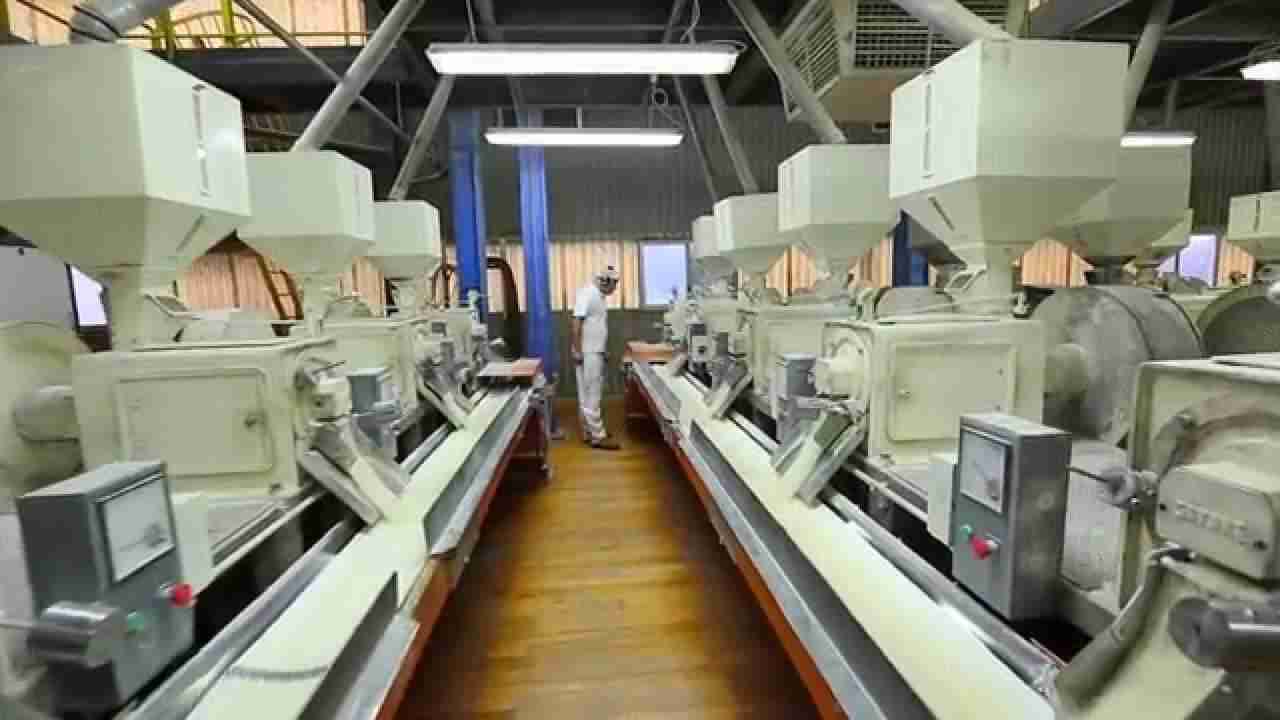
Understanding the Evolution of Rice Milling Techniques
Rice milling has undergone a profound transformation over the centuries, evolving from rudimentary hand-pounding methods to sophisticated automated processes. Traditionally, the journey of milled rice began with the use of pestles and mortars, where laborers would meticulously remove the husk from each grain. This painstaking process gradually gave way to mechanical innovations, leading to the introduction of powered milling machines in the 19th century. These machines significantly increased efficiency and output, allowing rice to be processed in larger quantities while maintaining its quality. Continuous advancements have since led to the incorporation of modern technology, such as sensors and digital controls, which further enhance precision and reduce waste during milling.
The modern rice mill is now a marvel of engineering, where the interplay of technology and tradition is evident. Today’s facilities often utilize a combination of automated sorting, grading, and packaging systems, which streamline the entire milling process. Additionally, with the increasing focus on sustainability, contemporary rice mills are adapting practices that minimize environmental impact. Key features of modern milling systems include:
- Humidity Control: Ensures optimal drying and storage conditions.
- Quality Control Systems: Automated inspections for consistency and quality of the final product.
- Energy Efficiency: Use of renewable energy sources and reduced power consumption methods.
| Year | Milling Technology | Significance |
|---|---|---|
| 1900 | Steam-Powered Mills | Increased production rates. |
| 1950 | Hydraulic Milling | Improved extraction efficiency. |
| 2000 | Automated Systems | Enhanced precision and scalability. |
The evolution of rice milling not only showcases the advancing technology but also reflects the changes in consumer demands and environmental awareness. As the global market continues to evolve, rice mills are faced with the challenge of balancing operational efficiency and sustainability, ensuring that they can meet present needs without compromising future generations. This journey from traditional methods to cutting-edge technology epitomizes the heart of grain processing, fostering a deeper understanding of the vital role these techniques play in our food supply chains.

Exploring the Role of Technology in Enhancing Grain Quality
In the realm of modern rice milling, technology plays a pivotal role in enhancing grain quality, transforming the traditional processes into highly efficient, automated systems. State-of-the-art machinery meticulously removes impurities, ensuring only the highest quality grains are processed. The integration of precision sensors and data analytics allows real-time monitoring of processing parameters, enabling mill operators to fine-tune operations for optimal yield. Additionally, advancements in grinding technology have minimized damage to the grain, preserving the nutritional value and flavor essential for culinary excellence.
Furthermore, the benefits of technology extend beyond processing into the realm of storage and distribution. Intelligent storage solutions equipped with climate control features maintain ideal humidity and temperature levels, reducing spoilage and enhancing shelf life. Automation in inventory management ensures that stocks are rotated effectively, minimizing waste. To visualize these enhancements, the following table highlights key technological components that enhance grain quality:
| Technology | Function |
|---|---|
| Optical Sorters | Identify and remove defective grains |
| Moisture Meters | Ensure optimal moisture content during processing |
| Automated Packaging Systems | Streamline packaging while preserving freshness |
These innovations symbolize a shift towards a more data-driven approach in agriculture, contributing to food safety and consumer trust. In the modern rice mill journey, technology is not just an enhancement; it is the heart of the process, continuously pushing the boundaries of what is possible in grain quality assurance.

Sustainable Practices for Modern Rice Mills
In the quest for innovation, modern rice mills are redefining their operational frameworks through various eco-friendly techniques. By integrating cutting-edge technology, mills aim to minimize their environmental footprint while enhancing productivity. Water conservation is a focal point; advanced milling machines are designed to operate efficiently with reduced water usage during the parboiling and soaking processes. Additionally, mills are adopting waste management systems to recycle by-products, ensuring that nothing goes to waste. The commitment to green energy solutions, such as solar panels and biomass energy systems, illustrates the industry’s shift towards sustainable power consumption. Together, these elements are fostering a circular economy in rice milling that benefits both producers and the planet.
Moreover, education and community engagement play a crucial role in this transition. Rice mill operators are encouraged to participate in training programs that focus on sustainable practices and technological advancements. By promoting sustainable farming practices among local farmers, such as crop rotation and integrated pest management, mills can strengthen the agricultural ecosystem. Furthermore, collaboration with environmental organizations helps to certify mills as sustainable, bolstering their market reputation. The synergy of these initiatives not only enhances the operational efficiency of rice mills but also ensures their social and environmental responsibilities are met, paving the way for a more sustainable agricultural future.
Navigating Market Trends: Strategies for Success in Rice Production
In the ever-evolving landscape of rice production, understanding market trends is crucial for farmers and millers striving for success. An effective approach begins with identifying consumer preferences; a growing demand for organic and sustainably-sourced rice has emerged as a key factor influencing production strategies. To leverage this trend, producers can engage in practices such as crop rotation and integrated pest management, ensuring not only the quality of the harvest but also the health of the ecosystem. Implementing technology, such as precision agriculture tools, can optimize yields and minimize waste, ultimately contributing to enhanced profitability.
Moreover, collaborative efforts within the industry can create a robust support network that fosters knowledge sharing and innovation. Establishing partnerships with local cooperatives and research institutions can yield insights into market fluctuations and emerging trends. An essential element of this collaboration is adopting market intelligence tools to track price movements, supply chain dynamics, and consumer behavior. A strategic focus on diversification of products—considering value-added options like packaged rice or ready-to-cook meals—can also cushion producers from market volatility. Below is a simple overview of potential diversification strategies:
| Strategy | Description |
|---|---|
| Organic Rice | Producing rice without synthetic chemicals to cater to health-conscious consumers. |
| Value-added Products | Developing rice-based snacks, flours, or ready-to-cook options to capture new markets. |
| Export Opportunities | Targeting international markets with unique rice varieties or specialty grains. |
Closing Remarks
As we conclude our exploration of the modern rice mill journey, we have unveiled not just the mechanics behind grain processing but also the heart and soul of agriculture itself. From the nutrient-rich fields where grains begin their life cycle to the sophisticated machinery that transforms them into staple foods, each stage of the rice milling process reflects a blend of tradition and innovation. This journey is not merely a technological advancement; it is a celebration of the communities that sustain it—farmers, millers, and consumers alike.
As we move forward into an increasingly globalized world, the importance of understanding the source of our food cannot be overstated. The modern rice mill stands as a testament to human ingenuity, resourcefulness, and commitment to sustainability. It reminds us that every bowl of rice we share holds stories of labor, care, and relentless passion.
In embracing the future, let us remain curious and respectful of the age-old practices that still resonate within contemporary methods. The heart of grain beats on, calling us to cherish, to learn, and to advocate for the relationship we share with our food. May this journey inspire all of us to appreciate the simple elegance of rice and the complex tapestry of life it weaves around us.