
Unveiling the Heart of Agriculture: The Rice Mill Journey
In the intricate tapestry of agriculture, few threads are as vital as that of rice farming—a staple that nourishes more than half of the world’s population. Yet, while the lush, green fields and the hands of dedicated farmers often take center stage, there lies an equally essential player in this narrative: the rice mill. This often-overlooked facility embodies a fascinating journey, transforming harvested grains into the polished pearls ready for our plates. With its blend of tradition and technology, the rice mill serves as a bridge between the agricultural labor of the fields and the culinary delights of the kitchen. This article aims to peel back the layers of this complex journey, tracing the path of rice from the paddies to the processing plants, and exploring how this humble grain becomes the cornerstone of countless meals worldwide. Join us as we explore the heart of agriculture through the lens of the rice mill journey, unveiling the stories, processes, and innovations that shape this industry and sustain our global community.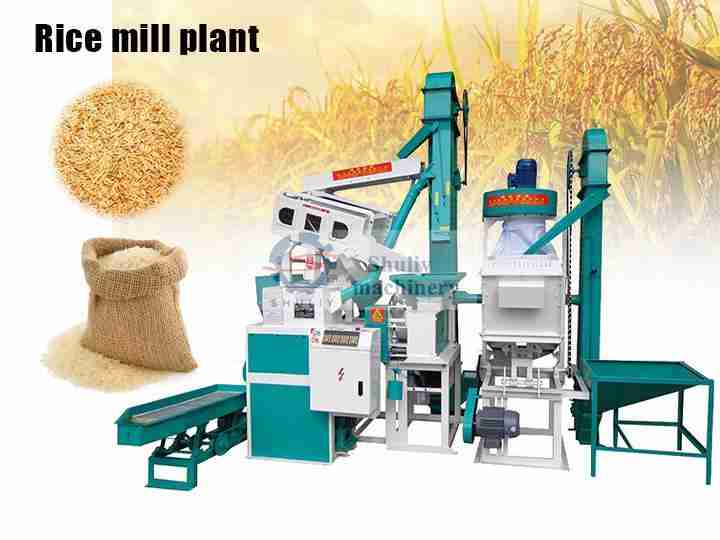
Exploring the Anatomy of a Rice Mill and Its Sustainable Practices
The intricate design of a rice mill intertwines traditional techniques with modern technology, embodying a remarkable evolution in agricultural processing. Within its walls, one can observe a systematic sequence of operations that transforms unhusked rice, or paddy, into the polished grains that grace our tables. Essential components include the dehuskers, which efficiently remove the outer husk, and milling machines, responsible for grinding a portion of the grains to achieve desired textures. Each element plays a crucial role in preserving the quality of the rice while ensuring optimal yield and minimal waste:
- Cleaning systems eradicate impurities, ensuring purity and enhancing taste.
- Separator systems categorize grains by size, ensuring uniformity in the final product.
- Storage facilities maintain grains in controlled conditions, prolonging freshness.
Moreover, contemporary rice mills are increasingly adopting sustainable practices that emphasize environmental stewardship. By implementing water conservation techniques and utilizing biomass energy, mills are significantly reducing their carbon footprint. Some facilities even harness byproducts from milling, such as husk and bran, transforming them into value-added products like bio-fertilizers and fish feed. These initiatives not only promote sustainability but also bolster local economies by creating job opportunities in green technology:
| Byproduct | Uses |
|---|---|
| Rice Husk | Biomass fuel, insulation material |
| Rice Bran | Animal feed, cooking oil, health supplements |
Harvesting Excellence: The Role of Technology in Rice Processing
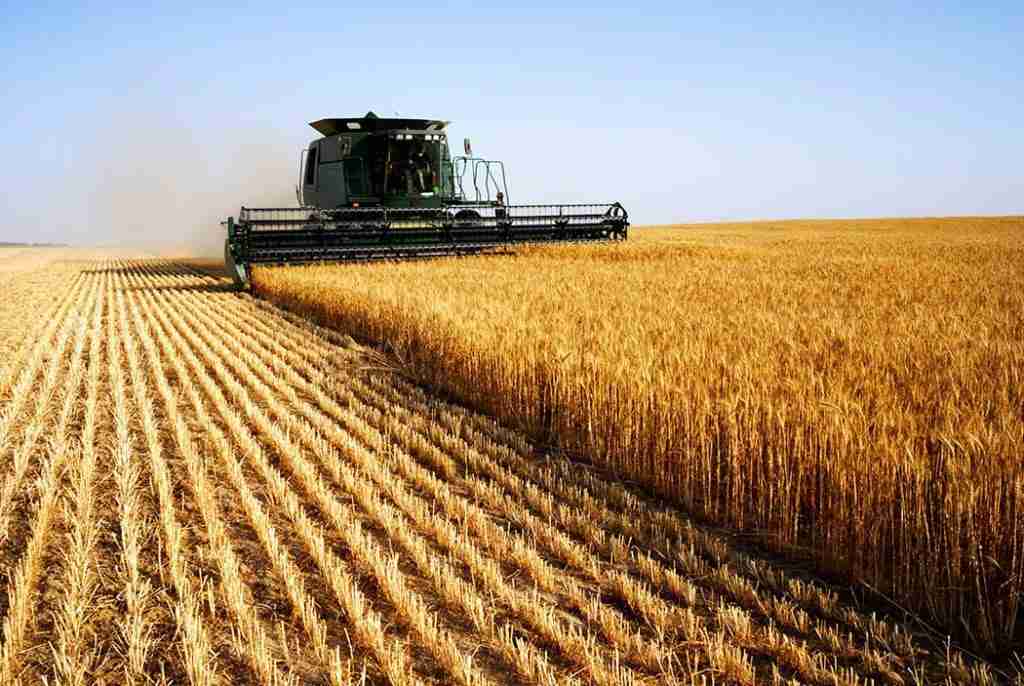
In the enthralling journey from paddy to plate, technology stands as the cornerstone of efficiency and quality in rice processing. State-of-the-art machinery has revolutionized traditional milling practices, allowing for precision and speed that were previously unimaginable. Automated rice milling systems have taken center stage, ensuring that every grain is processed with optimal care and minimal waste. Key innovations include:
- Brightness Sorters: Enhancing the visual appeal of rice by removing discolored grains.
- Mechanical Dryers: Regulating moisture levels to extend shelf life and prevent spoilage.
- Optical Sorting Devices: Utilizing cameras and sensors to ensure only the highest quality grains make it to the market.
Furthermore, the integration of data analytics contributes significantly to quality control and operational management. By monitoring each stage of the processing journey, mill operators can gather insights that lead to continual improvement in both yield and quality. For instance, real-time moisture content monitoring enables precise adjustments during drying, enhancing the overall processing efficiency. This technological embrace not only boosts productivity but also fosters sustainable practices in the agricultural sector. Consider the following advantages of implementing advanced technology in rice mills:
| Advantages | Description |
|---|---|
| Reduced Labor Costs | Automation decreases the need for manual labor, leading to cost savings. |
| Higher Precision | Advanced machinery ensures accurate processing, minimizing damage to grains. |
| Improved Safety | Automation reduces human exposure to hazardous conditions in milling. |
From Field to Table: The Economic Impact of Rice Milling on Local Communities
The transformation of raw rice into a finished product in local rice mills triggers a robust ripple effect throughout the surrounding communities. As these mills process the grain, they create a variety of economic benefits that extend well beyond the mere act of milling. Local farmers gain a reliable outlet for their produce, receiving fair prices that improve their livelihoods. This procurement not only strengthens the agricultural sector but also fosters a sense of community as farmers work together to supply the mill with their harvests. Furthermore, local employment opportunities flourish as rice mills require skilled labor for processing, maintenance, and management.
Moreover, rice milling generates a chain of ancillary businesses that contribute significantly to the local economy. These businesses include transportation services that deliver raw rice to milling facilities and distribution networks that ensure finished products reach consumers both domestically and internationally. The economic impact can be illustrated as follows:
| Economic Benefit | Description |
|---|---|
| Job Creation | Employment in milling, transport, and sales sectors. |
| Fair Trader Relations | Direct purchasing from farmers improves income stability. |
| Local Development | Investment in infrastructure as demand for services increases. |
These interconnected economic threads weave a fabric of community resilience, highlighting how a seemingly simple process transforms agricultural produce into a vital economic driver. It is through rice milling that local communities not only sustain their livelihoods but also foster growth and development, contributing to a stable and thriving environment.
Innovative Approaches to Enhancing Quality and Efficiency in Rice Production
Modern rice production is being reshaped through innovative methodologies that streamline processes and enhance the quality of yield. One such approach is the integration of precision agriculture technologies, which utilize data analytics and sensor-driven insights to optimize water usage, nutrient application, and pest management. By employing drones and satellite imagery, farmers can monitor crop health in real-time, allowing for targeted interventions that minimize waste and maximize productivity.
Another promising strategy is the adoption of sustainable farming practices that promote soil health and ecological balance. Techniques like crop rotation, cover cropping, and the use of organic fertilizers not only improve soil structure but also contribute to higher quality rice production. Moreover, the incorporation of post-harvest technologies such as improved milling systems can significantly enhance grain quality and reduce waste. Key aspects of these advancements include:
- Advanced milling machinery that preserves grain integrity.
- Moisture control systems that prevent spoilage during storage.
- Quality assessment tools that offer real-time feedback to farmers.
By amalgamating these cutting-edge techniques, rice producers can foster an era of unparalleled quality and efficiency, marking a significant step forward in the agricultural landscape.
Final Thoughts
As we draw the curtain on our exploration of the rice mill journey, we find ourselves standing on the threshold of a world where tradition meets innovation, and passion meets productivity. From the golden fields that cradle the humble rice plant to the rhythmic hum of machinery that transforms raw grain into a staple of sustenance, every step of this journey is a testament to human ingenuity and resilience.
The rice mill is not just a place of business; it is the heart of agrarian communities, serving as a bridge between farmers and consumers. Each grain processed within its walls carries a story—a narrative of hard work, cultural significance, and the unwavering commitment to nurturing life itself. As we conclude our journey through the intricate layers of the rice milling process, we invite you to reflect on the unseen efforts that fuel our daily lives, and to appreciate the rich tapestry of connections that sustains us all.
Ultimately, understanding the rice mill journey enriches not only our knowledge but also our gratitude for the simple grains that grace our tables. In recognizing the journey of rice, we embrace a broader appreciation for agriculture and the hands that cultivate it. Let us carry this awareness forward, celebrating the heart of agriculture in all its forms and the vital role it plays in our world.




