
In the heart of China’s rural landscapes, a time-honored tradition pulses with rhythm and purpose: the art of rice milling. For centuries, this meticulous process has been a cornerstone of culinary culture, intertwining agricultural practices with the very essence of community life. But beneath the surface lies a rich tapestry of techniques and secrets, each step echoing the wisdom of generations. As we embark on a journey to unlock the intricacies of traditional Chinese rice milling, we seek to uncover not only the methods that transform raw grains into fragrant morsels, but also the stories, tools, and philosophies that have sustained this craft through the ages. Join us as we delve into the depths of history, innovation, and the enduring legacy that keeps this ancient practice alive in a rapidly changing world.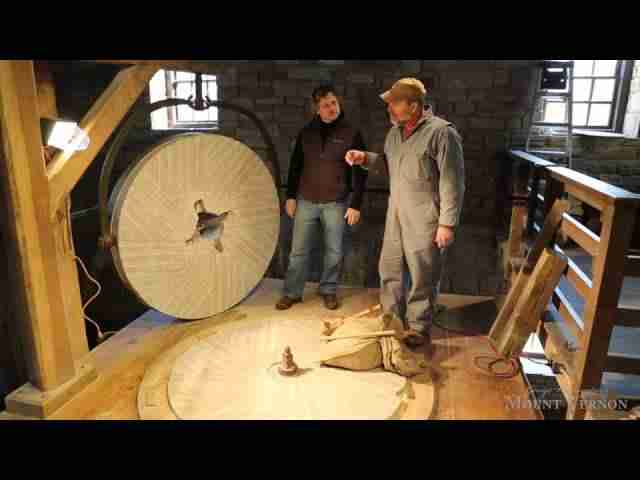
The Art of Stone Milling: Preserving Tradition in Modern Rice Production
In the heart of traditional Chinese rice milling lies the enchanting process of stone milling, where the delicate balance of craftsmanship meets agricultural heritage. This ancient method employs millstones carved from granite, meticulously designed to achieve a controlled grind that preserves the grain’s natural qualities. The process not only ensures that the rice retains its nutritional value but also enhances its flavor profile, making it a cherished choice among connoisseurs. As opposed to modern milling techniques, which often strip away essential nutrients, stone milling provides a holistic approach, allowing each grain to tell its own story through texture and taste.
Various factors contribute to the artistry of stone milling, from the speed of the grinding to the careful monitoring of moisture content. The following elements play a critical role in the preservation of rice quality:
- Grain Selection: Only the best varieties of rice are chosen, reflecting regional preferences and specific culinary applications.
- Stone Type: The hardness and composition of the stone impact the milling process, with local stones often preferred for their unique grinding characteristics.
- Airflow Management: Controlling the airflow during milling prevents overheating, ensuring the rice’s natural oils remain intact.
| Milling Technique | Key Benefits |
|---|---|
| Stone Milling | Preserves nutrients, enhances flavor, maintains texture |
| Modern Milling | Higher efficiency, less labor-intensive, mass production |
Understanding the Impact of Rice Varieties on Milling Techniques
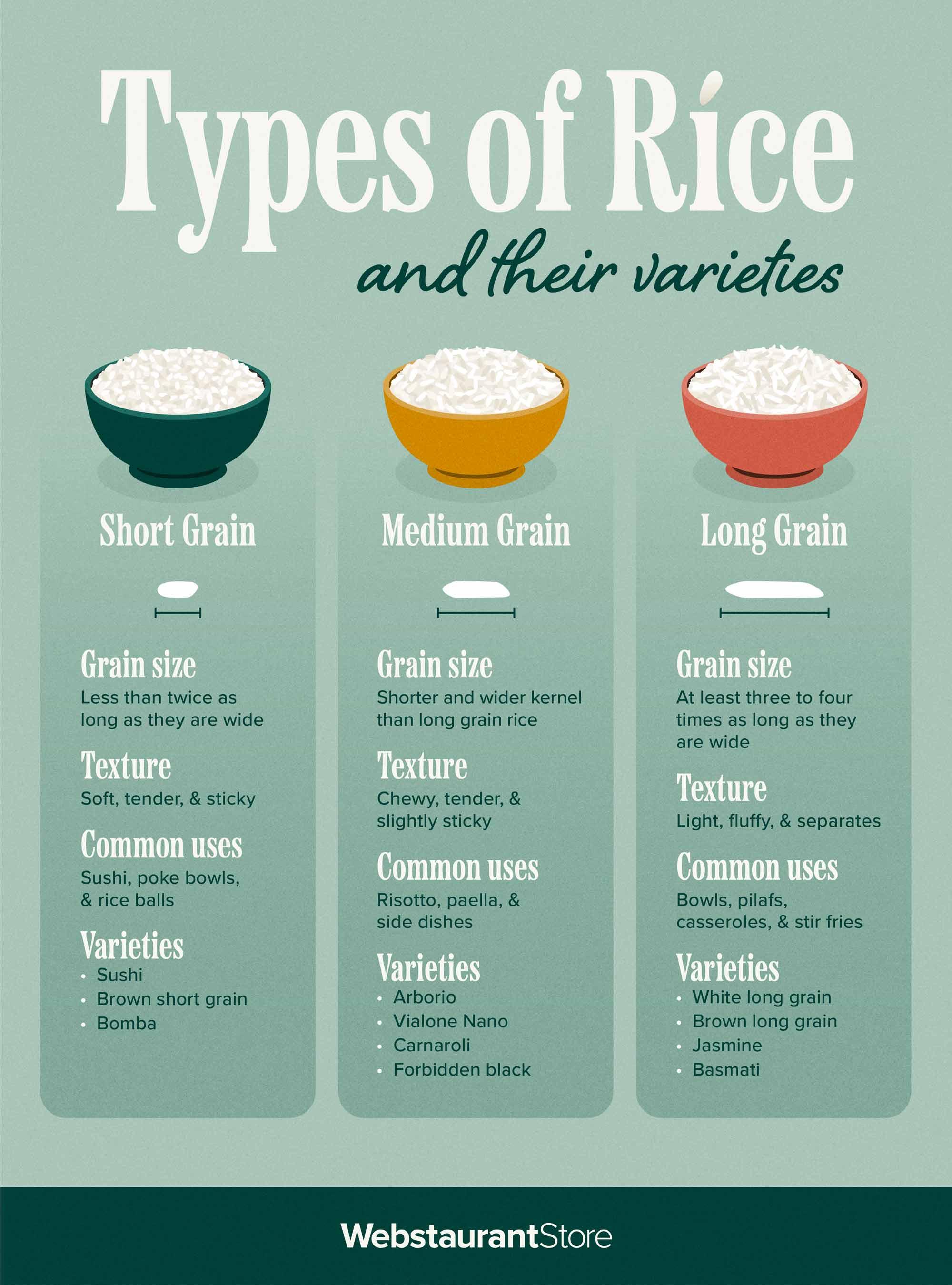
The choice of rice variety profoundly influences the milling techniques employed, leading to variations in texture, aroma, and overall quality of the final product. Different varieties, such as Jasmine, Basmati, and short-grain sticky rice, each have distinct characteristics that determine the specific milling process required. For instance, long-grain rice often necessitates a gentler milling technique to prevent the grains from breaking, whereas sticky rice may require a more aggressive approach to achieve the desired stickiness and cohesion. Understanding these nuances is essential for millers, as the right milling technique will enhance the intrinsic qualities of each rice type and ultimately influence the culinary experience.
Furthermore, the impact of rice variety extends beyond just milling to include factors such as moisture content, hulling methods, and polishing techniques. The following list highlights crucial aspects that vary among rice types and affect the milling process:
- Moisture Content: Different rice varieties have varying moisture levels, affecting their milling efficiency.
- Hulling Methods: Some grains may require traditional stone hulling, while others can be milled using modern automated equipment.
- Polishing Techniques: The degree of polishing varies widely; aromatic varieties may require less polishing to retain their fragrance.
| Rice Variety | Milling Technique | Key Characteristics |
|---|---|---|
| Jasmine | Gentle Milling | Aromatic, Long-grain |
| Basmati | Moderate Milling | Fragrant, Long and slender |
| Short-grain Sticky Rice | Aggressive Milling | Glutinous, Clings together |

Innovative Approaches to Enhancing Rice Quality and Flavor
In recent years, researchers and culinary enthusiasts alike have been exploring groundbreaking methods to enhance the quality and flavor of rice, particularly focusing on age-old techniques from traditional Chinese rice milling. By carefully analyzing traditional practices, several innovative approaches have emerged, emphasizing precision and craftsmanship that not only preserve the nutritional integrity of rice but also heighten its culinary potential. Techniques such as stone milling maintain the rice’s natural oils and nutrients, creating a richer mouthfeel that is often lost in modern milling processes. This method allows for a fine balance between taste and health benefits, setting a new standard for gourmet rice quality.
Furthermore, fermentation processes have gained traction as a means to enhance rice flavor profiles. By utilizing traditional fermentation methods, rice can develop a unique complexity that elevates any dish, creating a delightful experience for the palate. Some innovative techniques include:
- Lactic acid fermentation: This method not only elevates flavor but also promotes gut health.
- Flavor infusions with local herbs: Utilizing local ingredients adds distinct regional flavors.
- Aging techniques: Similar to fine wines, aging harvested rice in controlled environments enhances its umami flavor.
Introducing such advanced techniques alongside traditional practices creates a symbiotic relationship, melding the past with the present to yield rice of unparalleled quality and flavor. The result is a dynamic rice market that appeals to both health-conscious consumers and gourmets seeking unique culinary delights.
Sustainable Practices in Traditional Rice Milling: Balancing Heritage and Ecology
In the realm of traditional rice milling, age-old techniques are harmoniously intertwined with modern sustainable practices. Artisans have preserved rich cultural heritage while adapting to eco-friendly methods, ensuring the longevity of both their craft and the environment. By utilizing renewable resources and minimizing waste, these millers are not only safeguarding their ancestral knowledge but also contributing to a healthier planet. Some noteworthy practices include:
- Water conservation: Harnessing rainwater for milling processes.
- Energy efficiency: Utilizing traditional windmills and watermills to reduce fossil fuel reliance.
- Biomass use: Repurposing rice husks and straw as energy sources for milling and heating.
- Soil enrichment: Recycling by-products back into the fields to enhance agricultural sustainability.
Moreover, the integration of modern technology with traditional techniques plays a pivotal role in promoting ecological balance. New innovations provide insights into optimizing the milling process, reducing the carbon footprint without compromising the quality of the rice produced. The following table outlines a comparison of traditional and sustainable practices in rice milling:
| Practice Type | Traditional Methods | Sustainable Methods |
|---|---|---|
| Energy Source | Fossil fuels | Renewable resources (solar, wind) |
| Water Usage | Excessive runoff | Rainwater harvesting |
| Waste Management | Open burning | Composting and recycling |
Through these innovative approaches, traditional rice milling can remain a vibrant part of cultural identity while also responding to contemporary environmental challenges. By striking a balance between heritage and ecology, millers honor their past while embracing a sustainable future, ensuring that this cherished craft continues to thrive for generations to come.
Closing Remarks
the art of traditional Chinese rice milling is a captivating journey through time, culture, and craftsmanship. Each grain of rice carries with it the rich heritage of communities that have refined this age-old process over generations. As we peel back the layers of history, from the rhythmic sound of the grinding stones to the precision of hand-selected grains, we uncover a story that transcends mere sustenance.
This meticulous practice not only nourishes bodies but also connects us to the land and its people. By embracing these ancient techniques, we can appreciate the depth of flavor and nutritional value that is often lost in modern processing. As we move forward in our culinary explorations, let’s not forget the wisdom embedded in these traditions. By unlocking the secrets of traditional Chinese rice milling, we honor a lineage that has withstood the test of time, enriching our meals and our understanding of the world. The next time you savor a bowl of rice, let it be a reminder of the journey it has taken from field to table—one that’s steeped in history, culture, and an enduring respect for nature’s bounty.




