
Unlocking the Grain: The Essential Role of Rice Mills
In the heart of agricultural landscapes, where golden fields of rice sway gently in the breeze, a crucial transformation is quietly taking place. Rice mills, often overlooked in discussions about food production, serve as the gateway between harvest and nourishment. As farmers bring their bountiful yields to these facilities, the milling process releases the full potential of this staple grain, unlocking not only its nutritional benefits but also its economic viability. In a world where food security is a pressing concern and culinary traditions are celebrated across cultures, rice mills play an essential role in bridging the gap between the farm and the table. This article delves into the intricate mechanisms behind rice milling, exploring its impact on quality, sustainability, and the livelihoods of countless communities worldwide. Join us as we uncover the transformative journey of grain, revealing the vital contributions of rice mills to our global food system.
The Journey from Paddy to Perfection: Understanding the Rice Milling Process
Transforming the humble paddy into the pristine grains of rice we know today is an intricate dance of technology and tradition. The milling process begins with cleaning, where the harvested paddy is rid of impurities such as stones, dust, and hulls. This crucial first step ensures that only the highest quality grains move further along the production line. Next comes dehusking, where the hard outer shell is removed, revealing the brown rice. This stage employs modern machinery that utilizes a combination of pressure, friction, and air to gently strip the hull without damaging the precious grain inside.
As the milling continues, the brown rice undergoes whitening, which polishes the grains by removing the bran layer. This results in the beloved white rice that is sought after for its texture and cooking properties. In this phase, advanced techniques ensure minimal grain breakage while maximizing yield. Following this, the rice is often subjected to grading, sorting the polished grains according to size and quality. The final stages include packaging and storage, which are vital to maintain freshness and protect the grains from pests and moisture. The journey from paddy to plate is not merely a process; it is a meticulous craft that enhances the nutritional value and culinary potential of rice.

Innovative Technologies Transforming Modern Rice Mills
Modern rice mills are experiencing a technological renaissance, driven by innovations that enhance efficiency and output quality. Automated processing systems play a pivotal role, minimizing human error and speeding up operations. By incorporating sensors and artificial intelligence, mills can now monitor grain quality in real-time, ensuring that only the best rice makes it to market. To illustrate the impact of these technologies, consider the transition from manual sorting to high-definition imaging systems that can detect impurities with pinpoint accuracy.
| Technology | Benefits |
|---|---|
| AI Sorting Systems | Increased precision in selection |
| RFID Technology | Improved inventory tracking |
| Energy-efficient Milling Machines | Reduced operational costs |
| IoT Connectivity | Real-time monitoring of processes |
Furthermore, sustainability has become a focal point in the evolution of rice milling technology. Innovations such as water recycling systems and biomass energy solutions are not just reducing waste but are also contributing to a more ecologically responsible production cycle. These approaches empower mills to operate not only more efficiently but also with a smaller carbon footprint. The integration of solar energy systems, for instance, allows rice mills to harness renewable resources, significantly lowering their dependency on fossil fuels.
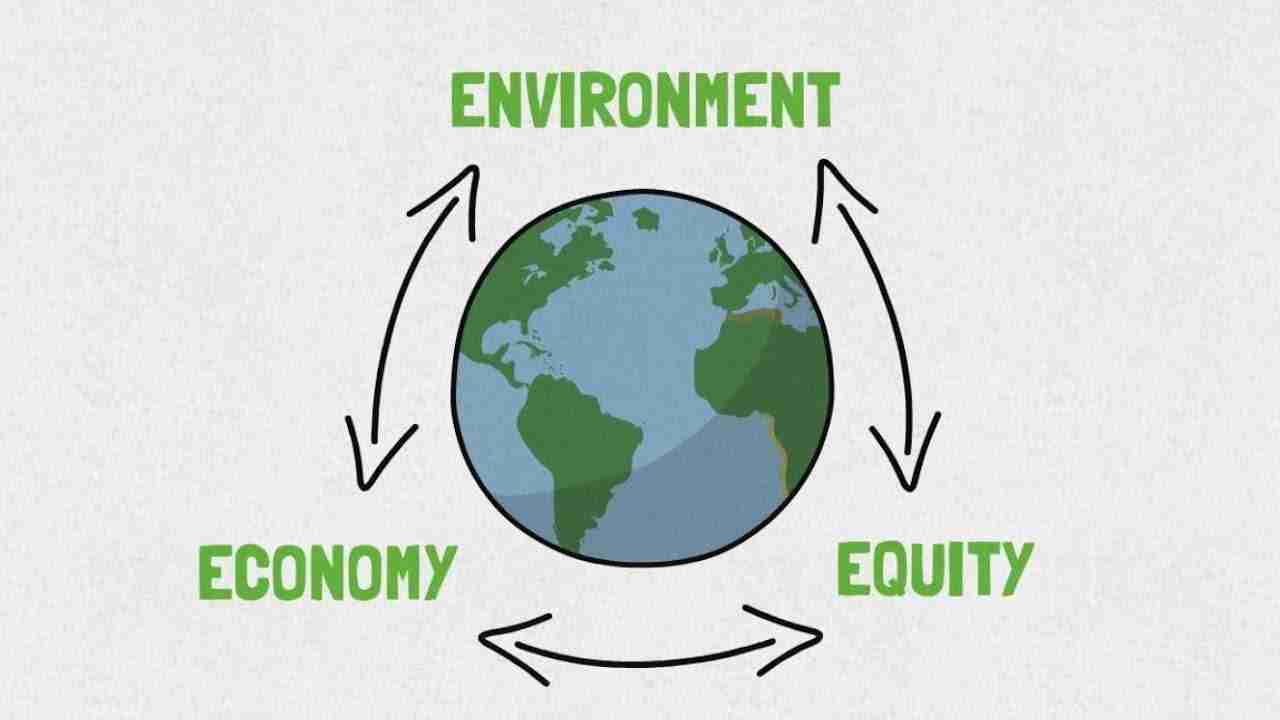
Sustainability in Rice Milling: Practices for a Greener Future
In rice milling, sustainable practices are becoming increasingly essential as businesses recognize the importance of reducing their environmental impact. By optimizing processes, reducing waste, and utilizing renewable energy sources, rice mills can contribute significantly to global sustainability goals. Some effective practices include:
- Zero Waste Initiatives: Implementing waste management processes that repurpose by-products like rice husks and bran, creating valuable secondary products such as biofuel and animal feed.
- Water Efficiency: Utilizing advanced milling technology that minimizes water usage, as well as investing in water recycling systems to reduce overall consumption.
- Renewable Energy Use: Transitioning to solar, wind, or biomass energy sources for mill operations to decrease reliance on fossil fuels.
Moreover, education and training for mill workers play a pivotal role in fostering a culture of sustainability. By engaging staff in practices such as energy conservation and waste reduction, mills can create a shared commitment to greener operations. Consider implementing ongoing training programs that cover:
| Training Topic | Description |
|---|---|
| Energy Saving Techniques | Methods for reducing energy consumption during milling. |
| Waste Management Strategies | Best practices for recycling and reusing by-products. |
| Water Conservation Methods | Techniques for minimizing water use in operations. |
Empowering Local Economies: The Socioeconomic Impact of Rice Mills
Rice mills serve as a critical backbone for local economies, facilitating not only the processing of rice but also elevating surrounding communities through job creation and sustainable agricultural practices. By harnessing modern milling techniques, these establishments ensure that farmers receive fair prices for their produce, which in turn spurs local investments and stimulates economic growth. As farmers flock to rice mills for processing, the following effects are observed:
- Job Creation: Rice mills often employ local workers, providing stable incomes and fostering skills development in the community.
- Increased Local Trade: With more money circulating locally, businesses—ranging from markets to service providers—benefit from increased demand.
- Support for Sustainable Practices: Many rice mills promote environmentally friendly practices, encouraging farmers to adopt techniques that enhance sustainability.
Moreover, the benefits extend beyond immediate economic markers. By serving as a collection point for rice, these mills can aggregate supply, making it easier for farmers to access broader markets. As a result, they can achieve better pricing and consistent demand, leading to improved living conditions and community development. The impact can be illustrated as follows:
| Impact Area | Effect on Local Community |
|---|---|
| Income Levels | Higher disposable income for families |
| Employment | New job opportunities in various sectors |
| Innovation | Improved farming techniques through shared knowledge |
In Summary
As we conclude our journey through the intricate world of rice mills, it’s clear that these establishments serve as the unsung heroes of the agricultural economy. Unlocking the grain is not merely a process; it is an art that transforms potential into nourishment, and sustenance into security. From the local farmer who nurtures each seed to the consumer who savors the final dish, rice mills form a vital link in the complex food supply chain.
In an era where sustainability and efficiency are more crucial than ever, the role of rice mills continues to evolve. With advancements in technology and a greater emphasis on eco-friendly practices, these facilities are not only improving productivity but also minimizing environmental impact. Thus, the journey of rice from paddy field to plate is enhanced, ensuring that each grain tells a story of resilience, innovation, and care.
As we reflect on the essential role of rice mills, we are reminded of the broader implications of their work. They symbolize the intersection of tradition and modernity, embodying the commitment to quality and sustainability that feeds generations. By appreciating their significance, we not only honor the grain but also the countless hands that bring it to our tables. So, the next time you enjoy a warm bowl of rice, remember the intricate process behind it—a testament to ingenuity and an enduring connection to our roots.




