
In the realm of culinary staples, few grains hold as prominent a position as rice. A foundation of countless diets worldwide, this versatile food transcends borders, cultures, and cuisines, making its quality paramount to both chefs and home cooks alike. However, the journey from paddy field to dining table is paved with intricate processes, particularly in the hands of skilled rice mills. As we step into 2023, a new horizon of innovation, sustainability, and quality assurance unfolds in the rice milling industry. In this article, we set out to explore the top rice mills that have emerged as leaders this year, examining their practices, technologies, and commitment to excellence. Join us as we unlock the secrets behind premium rice production, ensuring that every grain serves not only as nourishment but also as a testament to quality craftsmanship.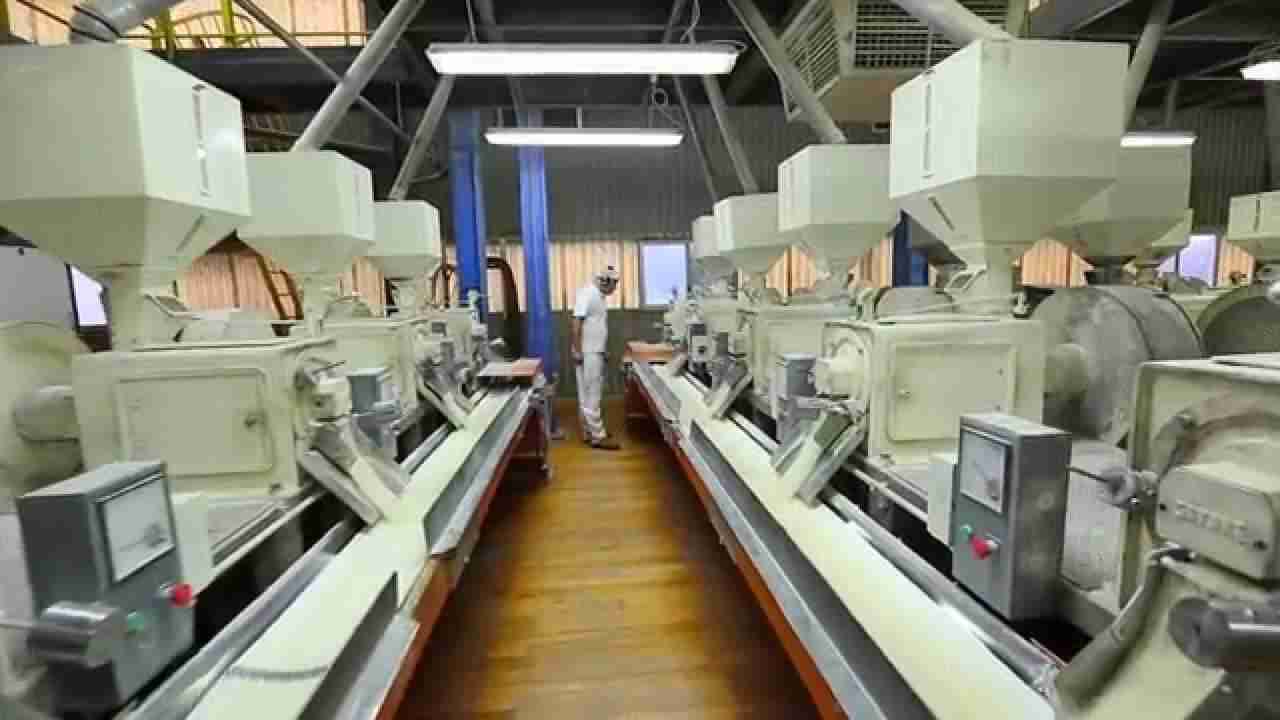
Exploring Innovations in Rice Milling Technology
The landscape of rice milling technology has transformed dramatically, driven by the need for efficiency, sustainability, and improved quality. Innovations now focus on integrating automation and artificial intelligence, enabling facilities to process larger quantities while maintaining consistency in grain quality. The latest milling machines are equipped with smart sensors that monitor moisture content and adjust milling parameters in real-time, ensuring optimal results. Additionally, advancements in paddy separation techniques and white rice polishing significantly enhance the aesthetic appeal and marketability of the finished product. This marriage of technology and traditional practices not only increases yield but also minimizes food waste by optimizing by-product utilization.
Another fascinating development is the rise of eco-friendly milling solutions. Many manufacturers are now adopting renewable energy sources and water-saving technologies in their operations. Key innovations include:
- Solar-powered milling units: Reducing dependency on fossil fuels.
- Water recycling systems: Minimizing water usage during processing.
- Biomass utilization: Converting milling waste into bioenergy.
These changes not only improve sustainability but also lower operational costs, presenting a forward-thinking approach to rice milling. The future of rice processing holds promising potential, reflecting a commitment to quality and responsibility that aligns with the evolving consumer demands for cleaner and greener food production solutions.

Sustainable Practices in Leading Rice Mills
Innovative rice mills are embracing environmentally friendly methodologies to enhance quality while reducing their ecological footprint. By integrating modern technology and sustainable farming practices, leading rice mills are transforming the rice production landscape. They focus on water conservation, energy efficiency, and waste management, ensuring that they promote health not only in their products but also in the surrounding ecosystem. Here are some of the key sustainable practices adopted by these mills:
- Water Recycling: Implementing systems to recycle and purify water used in processing, significantly reducing overall consumption.
- Renewable Energy: Utilizing solar panels and bioenergy sources to power operations, decreasing reliance on fossil fuels.
- Waste Reduction: Transforming byproducts into useful materials, such as using rice husks for biomass fuel or compost.
- Sustainable Sourcing: Partnering with local farmers who practice organic and sustainable agriculture methods.
Moreover, these initiatives have led to measurable improvements in operational efficiency. Many leading rice mills now maintain a transparent supply chain, where they closely monitor each step from farm to processing, ensuring ethical standards are upheld. The incorporation of precision farming technologies also allows for optimal input usage, ultimately leading to higher yields and lower environmental impact. Below is a comparison of some of these pioneering rice mills and their sustainability measures:
| Rice Mill Name | Water Conservation (%) | Renewable Energy Use (%) | Waste Repurposed (tonnes/year) |
|---|---|---|---|
| EcoGrains Rice Mill | 75% | 60% | 300 |
| GreenHarvest Mills | 80% | 50% | 450 |
| SustainRice Co. | 70% | 70% | 500 |

Quality Assurance Techniques for Top Rice Brands
In the competitive landscape of rice production, maintaining exceptional quality is paramount. Top rice brands implement a myriad of quality assurance techniques to ensure that their products consistently meet the highest standards. Some of the key methods employed include:
- Regular Sensory Evaluations: Taste testing by trained panels ensures consistency in flavor, aroma, and texture.
- Grain Sorting: Advanced optical sorting technology eliminates impurities and defective grains, enhancing overall quality.
- Moisture Control: Maintaining optimal moisture levels prevents spoilage and extends shelf life, ensuring that the rice remains fresh.
- Traceability Initiatives: Monitoring production processes and sourcing origins allows brands to uphold quality and safety standards.
Furthermore, certifications play a pivotal role in reinforcing consumer confidence in rice brands. Many of the leading mills pursue various certification programs to validate their quality measures, including:
| Certification | Description |
|---|---|
| ISO 9001 | Focuses on quality management systems to enhance customer satisfaction. |
| HACCP | Ensures food safety through risk assessment and control measures. |
| USDA Organic | Certifies that the rice is grown without synthetic fertilizers or pesticides. |
By adhering to these quality assurance techniques and certifications, top rice brands strive to deliver products that not only meet consumer expectations but also set industry benchmarks.
A Guide to Choosing the Best Rice for Your Culinary Needs
Choosing the right rice isn’t just about picking a bag from the shelf; it involves understanding the characteristics of various rice types and how they fit your culinary needs. Basmati, known for its fragrant aroma and long grains, is the perfect companion for Indian curries and biryanis. Jasmine rice, with its slightly sticky texture, shines in Thai dishes, enhancing stir-fries and salads alike. On the other hand, Arborio rice is the star of creamy risottos, providing that coveted al dente bite. Consider your dish, and think about whether you need rice that can stay firm under pressure or one that soaks up flavors effortlessly.
It’s also essential to know where your rice comes from, as this can influence its taste and cooking behavior. Quality varies widely among brands and regions, and recent findings highlight some of the best rice mills of 2023. Here’s a quick snapshot:
| Mill Name | Type of Rice | Specialty |
|---|---|---|
| Royal Basmati | Basmati | Fragrant, aromatic |
| Golden Jasmine | Jasmine | Fluffy and light |
| Risotto Artisans | Arborio | Creamy texture |
Selecting rice from these top mills can guarantee a step towards unlocking quality in your meals, ensuring every grain contributes to a delightful experience. As you explore new recipes and cuisines, understanding the various rice types and their origins will elevate your culinary adventures.
Key Takeaways
As we close the chapter on our exploration of the top rice mills of 2023, it’s clear that the journey towards unlocking quality in rice production is both a science and an art. Each mill showcased in this article embodies a commitment to excellence, innovation, and sustainability, offering a glimpse into the future of rice that prioritizes taste, nutrition, and eco-friendliness.
The landscape of rice milling is ever-evolving, driven by technological advancements and a growing appreciation for premium grains. Whether you are a farmer seeking reliable processing partners, a chef searching for the perfect grain, or a consumer dedicated to quality in your daily meals, the mills highlighted here stand ready to meet your needs.
As you step into the world of grains, we encourage you to continue your quest for high-quality rice. Explore, experiment, and enjoy the diverse flavors and textures that these top producers deliver. Together, let’s celebrate the dedication of these innovators who are transforming the humble grain into a cornerstone of quality on our plates. Thank you for joining us on this journey—may your next bowl of rice be nothing short of exceptional.




