
In the heart of rural landscapes, where the golden fields of rice sway gently in the breeze, an unnoticed revolution is quietly unfolding. Small rice mills, often overshadowed by industrial giants, are subtly transforming the socio-economic fabric of communities across the globe. These miniature powerhouses are more than mere processing units; they are catalysts for change, fostering local entrepreneurship, enhancing food security, and revitalizing traditional practices. As we delve into the intricate relationship between small rice mills and the communities they serve, we uncover a tapestry woven with stories of resilience, innovation, and hope. Join us on a journey to explore how these humble establishments are unlocking potential and paving the way for sustainable futures, one grain at a time.
Empowering Local Economies Through Small Scale Rice Milling
In many rural regions, small-scale rice milling stands out as a beacon of opportunity. By establishing local mills, communities not only enhance their self-sufficiency but also contribute to economic resilience. These mills enable farmers to process their paddy more efficiently, reducing dependence on distant, larger facilities. As a result, local income increases, directing funds back into the community through spending and investment. Furthermore, local mills provide employment opportunities, ensuring that the growth of the rice value chain keeps wealth circulating among its stakeholders.
The establishment of small rice mills brings with it numerous social and economic benefits. Key advantages include:
- Reduced Transport Costs: Milling locally cuts down on transportation expenses, thus boosting profits for farmers.
- Value Addition: Local mills process rice into various products, such as flour and puffed rice, enhancing product diversity.
- Knowledge Transfer: Small mills often serve as platforms for education on modern agricultural practices and milling techniques.
Moreover, these mills can foster community collaboration. When farmers band together to establish a cooperative mill, they not only share the financial burden but also collectively benefit from bulk purchasing of equipment and maintenance services, enhancing sustainability. A simple table illustrates potential economic impacts:
| Impact Area | Before Small Mill | After Small Mill |
|---|---|---|
| Profit Margin | 10% | 30% |
| Local Employment | 5 jobs | 15 jobs |
| Community Investment | $500 | $2,000 |

Fostering Sustainable Practices in Rice Production
In the pursuit of sustainable rice production, small rice mills emerge as critical players by implementing eco-friendly practices that reduce waste and enhance resource efficiency. These mills often prioritize local sourcing of paddy rice, which minimizes the carbon footprint associated with transportation. Through the adoption of innovative techniques such as zero-waste processing and alternative energy sources, they contribute to a balanced ecosystem. Investing in clean technologies not only improves production efficiency but also empowers community members to engage in sustainable practices. Key measures include:
- Water management: Utilizing rainwater harvesting and recycling to optimize water usage.
- Organic fertilizers: Encouraging farmers to use organic amendments instead of chemical fertilizers.
- Crop residue recycling: Promoting the use of leftover straw and husks for composting or as biofuel.
Furthermore, the ripple effect of these sustainable initiatives resonates throughout local farming communities. By empowering smallholder farmers with training and resources, small rice mills help cultivate a culture of sustainability that extends far beyond the processing stage. For instance, farmers are educated on the importance of crop rotation and diversified planting, resulting in improved soil health and resilience against pests. This collaborative approach fosters a sense of community while increasing overall productivity, as illustrated in the table below:
| Practice | Impact on Community |
|---|---|
| Training Workshops | Enhanced farmer skills and knowledge |
| Financial Support | Increased investments in sustainable practices |
| Research Collaboration | Innovative solutions tailored for local conditions |
Enhancing Food Security and Nutritional Access for Communities
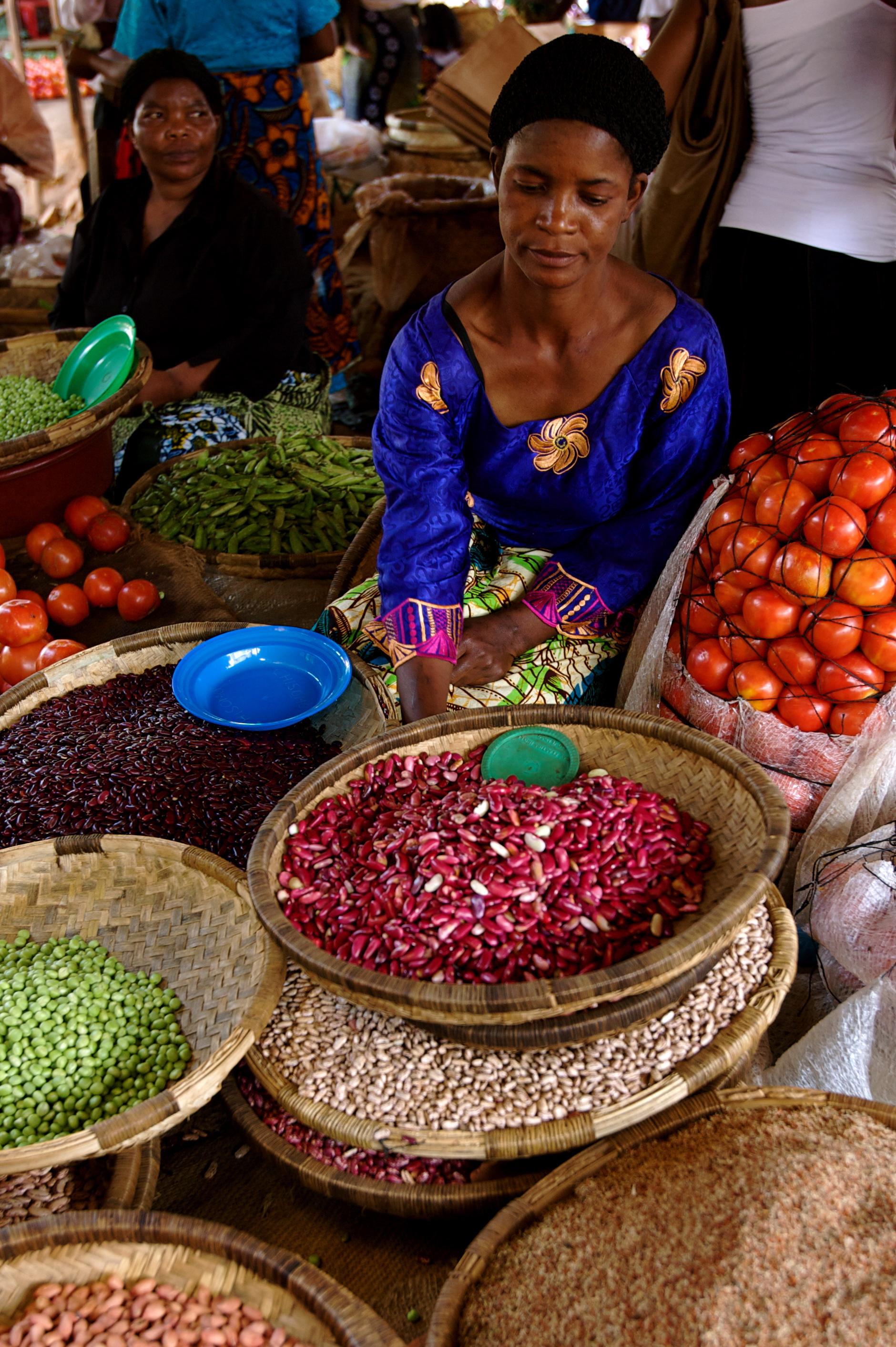
Small rice mills play a transformative role in enhancing the food security and nutritional access for communities, particularly in rural areas where access to resources can be limited. By establishing localized milling facilities, communities can significantly reduce the time and costs associated with rice processing. This has far-reaching impacts on both availability and affordability. With fresh, locally milled rice readily accessible, households can enjoy a staple food that is not only free from preservatives but also rich in essential nutrients. Furthermore, small rice mills can serve as hubs of local entrepreneurship, creating jobs and fostering economic resilience.
The integration of small rice mills facilitates a robust food system that empowers local farmers. By increasing the competitiveness of locally grown rice and reducing dependence on imported products, these mills help in stabilizing local markets. Additionally, they can offer byproducts like rice bran, which can be used for animal feed or even as a source of cooking oil, thus minimizing waste and maximizing resource utilization. The impact of this transformation expands into several dimensions:
- Improved nutritional access: Freshly milled rice enhances dietary diversity and quality.
- Job creation: Establishing mills opens up employment opportunities for local residents.
- Economic stability: Increased local production supports better income for farmers.
- Community empowerment: Locally owned small mills encourage cooperative initiatives.
Building Capacity and Skills for Future Generations
Empowering local communities through small rice mills offers a profound opportunity to build essential skills and capacities that resonate through generations. By engaging community members in the operation of these mills, individuals gain hands-on experience in areas such as technology management, quality control, and business operations. Notably, the benefits extend beyond workforce development; they also encourage a sense of ownership and responsibility among participants. Building a proficient workforce involves:
- Training Workshops: Regular workshops focusing on machine maintenance and operational efficiency.
- Financial Literacy Programs: Equipping individuals with budgeting and financial management skills.
- Leadership Development: Fostering leadership skills in selected community members to inspire and guide peers.
To illustrate the transformative nature of small rice mills, consider a case study showcasing the impact on youth employment within the community. The following table displays statistics on youth engagement through training programs, employment opportunities, and skill acquisition:
| Year | Youth Trained | Employment Rate | Skills Acquired |
|---|---|---|---|
| 2021 | 50 | 70% | Operational Skills |
| 2022 | 75 | 80% | Maintenance Skills |
| 2023 | 100 | 90% | Business Management |
The optimistic trends evidenced by these figures underline the pivotal role small rice mills play in enhancing community resilience. By investing in the development of skills necessary for today’s workforce, we not only fortify economic foundations but also pave the way for responsible stewardship of resources and future growth.
The Conclusion
As we conclude our exploration into the transformative role of small rice mills in communities, it’s clear that these humble facilities wield significant influence far beyond their physical structures. Through the grinding of grains, they not only produce a staple food but also foster economic growth, enhance food security, and cultivate social cohesion. The ripple effects of a small rice mill can be profound—empowering local farmers, generating employment opportunities, and nurturing entrepreneurship among women.
By recognizing and investing in these grassroots enterprises, we unlock a wellspring of potential that extends to future generations. The journey of these mills reflects the resilience and resourcefulness of communities, underscoring the essential truth that even the smallest initiatives can lead to monumental change. As we continue to navigate the complexities of rural development, let us keep our gaze fixed on these local champions, listening to their stories and amplifying their voices. In doing so, we pave the way for a sustainable and hopeful future, one grain at a time.




