
In the ever-evolving landscape of agriculture, where efficiency and sustainability ride the waves of innovation, one noteworthy trend is making its mark: the rise of combined rice mills. These multifaceted facilities not only streamline the process of rice production but also redefine the dynamics of the industry by integrating various stages of milling under one roof. As global demands for rice continue to surge, coupled with the pressing need for improved resource management, combined rice mills emerge as a beacon of progress. This article delves into the mechanics behind this trend, exploring how these mills are unlocking efficiency, enhancing productivity, and contributing to a more sustainable agricultural framework. Join us as we uncover the transformative potential embedded within these modern milling solutions and their implications for the future of rice production.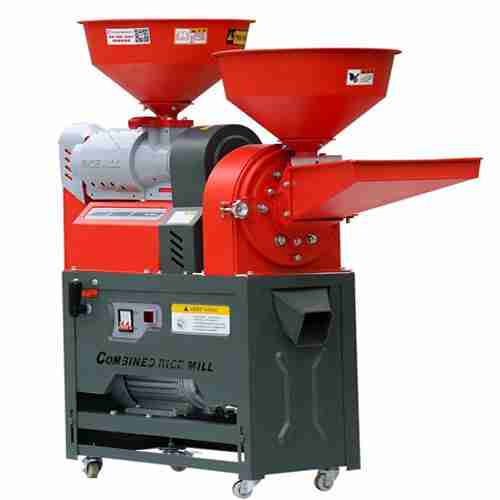
Understanding Combined Rice Mills and Their Operational Benefits
Combined rice mills are an innovative solution in the agricultural sector, designed to streamline the processing of rice from milling to packaging. These integrated units minimize the time and resources traditionally required by combining multiple stages into a single operation. By consolidating rice hulling, whitening, and polishing processes, they significantly reduce operational costs and enhance productivity. The advantages of such a system extend beyond efficiency; they also lead to improved quality control and reduced waste, as each step is closely monitored and regulated.
Key operational benefits of combined rice mills include:
- Space Efficiency: Occupying less land compared to multiple standalone mills.
- Energy Savings: Utilizing a single energy source for multiple machines, leading to lower operational costs.
- Labor Optimization: Reducing the number of personnel needed for separate processes, allowing for streamlined workforce management.
- Consistent Quality: Ensuring uniformity in processing, which helps maintain the quality of the final product.
| Benefit | Description |
|---|---|
| Time Efficiency | Combines multiple stages into one, speeding up the production cycle. |
| Cost-Effectiveness | Reduces the need for separate machinery and maintenance, cutting costs. |
| Quality Assurance | Improves end-product consistency through integrated processing steps. |

Technological Advancements Driving the Efficiency of Combined Rice Mills
With the relentless march of innovation, combined rice mills have seen substantial enhancements that have dramatically optimized their operations. Central to these advancements are automated processing systems that streamline the milling process, reducing the time from paddy to polished rice. These innovative technologies not only minimize labor costs but also enhance precision in each step of the milling cycle, ensuring optimal extraction of rice bran and reducing waste significantly. Moreover, the integration of IoT (Internet of Things) in rice milling equipment allows for real-time monitoring, enabling mill operators to swiftly identify and rectify operational inefficiencies, thus maximizing output.
Additionally, the adoption of energy-efficient machinery has transformed energy consumption patterns within rice mills. These machines utilize state-of-the-art technology to harness renewable energy sources, leading to significant operational savings. The tables below outline some of the key technological innovations currently reshaping the landscape of rice milling efficiency:
| Technology | Benefit |
|---|---|
| Automated Milling Systems | Reduced labor costs and increased precision |
| IoT Monitoring | Real-time operational insights and efficiency corrections |
| Energy-Efficient Machines | Lower energy costs and enhanced sustainability |
With these advancements, combined rice mills are not only more efficient but also more sustainable, paving the way for a new era in rice production. Continuous research and development in milling technology promise to further push the boundaries of what is achievable, ensuring that the industry meets both growing demand and environmental responsibility. As these changes take hold, stakeholders in rice production can look forward to streamlined operations, maximized profitability, and a reduced ecological footprint.
Sustainable Practices in Combined Rice Milling for Future Growth
In the quest for efficiency, the integration of sustainable practices into combined rice milling operations has emerged as a significant driver for future growth. By adopting methodologies that are not only economically viable but also environmentally sound, rice millers can enhance productivity while minimizing their ecological footprint. Key strategies include:
- Energy Efficiency: Utilizing advanced machinery and technology to reduce power consumption during the milling process.
- Waste Minimization: Implementing systems that recycle husk and bran byproducts into biomass for energy production or livestock feed.
- Water Conservation: Employing water-efficient practices and rainwater harvesting to support processing needs.
- Adopting Organic Methods: Sourcing rice from farmers who use organic and sustainable farming practices to support environmentally friendly agriculture.
Furthermore, the shift towards combined rice milling systems fosters not just economic benefits but also social responsibility within communities. As local mills adopt these sustainable methods, they contribute to a larger framework of circular economy practices. This can be illustrated in the following table:
| Practice | Impact |
|---|---|
| Energy-efficient machines | Reduces operational costs and carbon footprint |
| Recycling byproducts | Generates additional income and reduces waste |
| Water-saving technologies | Conserves resources and lowers bills |
| Collaboration with local farmers | Boosts community involvement and economic resilience |
Strategic Recommendations for Implementing Combined Rice Mills in Local Communities
To effectively implement combined rice mills within local communities, it is crucial to focus on sustainable practices that cater to the unique agronomic conditions and market dynamics of each region. Establishing partnerships with local farmers, cooperatives, and agricultural organizations can create synergies that enhance productivity and profitability. Engagement in community workshops and training programs will empower farmers with the knowledge and skills necessary to optimize rice cultivation and milling processes. Moreover, leveraging modern technology, such as mobile applications for inventory management and market pricing, can streamline operations and facilitate better decision-making.
Furthermore, securing financing options to support the initial investment in combined rice mills is essential. Local governments, NGOs, and development agencies can play a pivotal role by providing grants, low-interest loans, or subsidies tailored for such ventures. To ensure the sustainability and growth of these mills, it is vital to develop a comprehensive marketing strategy that highlights the benefits of locally processed rice while advocating for fair pricing and quality assurance. Community engagement, education on health benefits, and the promotion of rice-based products could further enhance the value proposition:
| Strategy | Expected Outcome |
|---|---|
| Local Partnerships | Increased collaboration and resource sharing |
| Community Workshops | Enhanced skills and productivity |
| Technology Adoption | Streamlined operations and better tracking |
| Financing Support | Lower barriers to entry for local mills |
| Marketing Strategies | Improved product awareness and sales |
To Wrap It Up
As we stride into a future increasingly defined by innovation and sustainability, the rise of combined rice mills stands as a testament to the agricultural sector’s adaptability. These integrated systems not only enhance productivity but also hold the potential to transform the entire rice value chain, making it more resilient and efficient. By embracing this evolution, we are not merely witnessing a shift in technology but are participating in a larger movement towards sustainable farming practices, economic growth, and food security. As the world population continues to grow, the call for innovative solutions resonated louder than ever. The combined rice mill could very well be a cornerstone in the quest for a more efficient and sustainable agricultural landscape. The journey has only just begun, and as we continue to unlock efficiency in every grain, the future looks promising for farmers, consumers, and the environment alike.




