
In an age where efficiency is the cornerstone of progress, the agricultural sector is witnessing a transformative shift that promises to redefine traditional practices. Enter the 5-ton rice mill—a revolutionary innovation that merges advanced technology with time-tested farming techniques. This article delves into the multifaceted benefits and implications of this powerful machinery, exploring how it not only boosts productivity but also enhances the livelihoods of farmers and food security across communities. As we unlock the potential of the 5-ton rice mill, we embark on a journey that uncovers its role as a catalyst for change, propelling generations towards a more sustainable and prosperous future. Join us as we explore the intricate mechanics and enduring impact of this agricultural game-changer.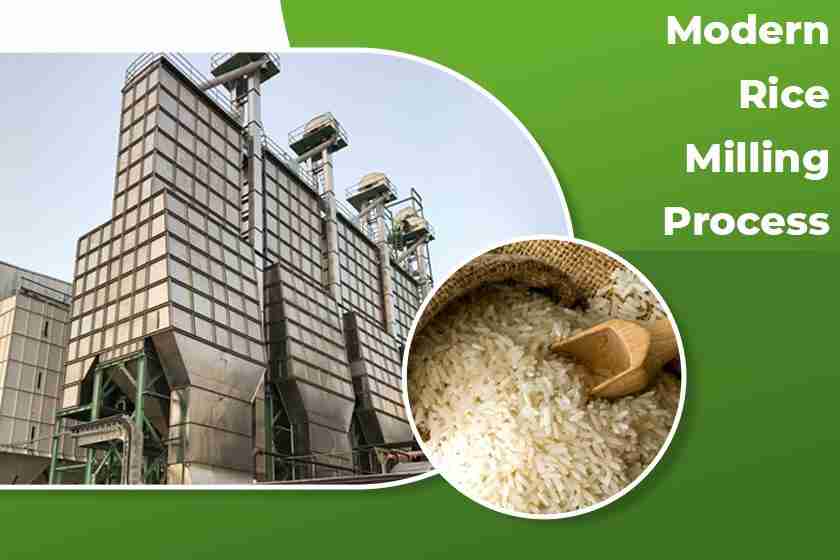
Redefining Productivity in Rice Milling
The landscape of rice milling is experiencing a dramatic transformation, driven by the integration of modern technology and innovative processes. At the heart of this change is the 5-ton rice mill, an equipment marvel that not only enhances output but also optimizes resource usage. By implementing automated systems, mills can significantly reduce manual labor while ensuring consistent quality in rice processing. This shift not only boosts operational efficiency but also leads to improved worker safety and satisfaction. Key elements contributing to this evolution include:
- Automated sorting and grading systems for consistent quality
- Energy-efficient machinery to lower operating costs
- Streamlined workflows that minimize processing time
- Data analytics for real-time monitoring and adjustments
Moreover, the incorporation of sustainable practices alongside productivity improvements forms a robust backbone for the rice milling industry. By utilizing eco-friendly materials and reducing waste, these modern mills align profitability with social responsibility. A compelling instance of this is captured in the following comparison of traditional versus contemporary milling methods:
| Traditional Milling | Modern 5-Ton Milling |
|---|---|
| Higher manual labor costs | Reduced labor with automation |
| Inconsistent product quality | Uniform quality assurance systems |
| Significant waste generation | Waste-reduction strategies |
| Longer processing times | Rapid, efficient workflows |

Innovative Technology Driving Cost-Effectiveness
In the rapidly evolving agricultural landscape, the introduction of cutting-edge technology in rice milling has significantly enhanced cost-effectiveness. With advanced automation and precision engineering, 5-ton rice mills are now designed to maximize output while minimizing operational costs. This innovation redefines efficiency through features such as:
- Automated Process Control: Real-time monitoring systems significantly reduce human error and downtime, ensuring a seamless workflow.
- Energy Efficiency: New machinery designs consume less power, substantially lowering energy bills.
- Advanced Grain Handling: State-of-the-art sorting and grading capabilities lead to reduced waste and improved product quality.
An additional layer of cost-effectiveness comes from scalable management options, allowing millers to adapt their operations based on demand. Factors influencing the bottom line include:
| Feature | Benefit |
|---|---|
| Modular Components | Easy upgrades without complete overhauls, leading to lower capital expenditure. |
| Predictive Maintenance | Reduces unexpected downtimes and repair costs with timely interventions. |
| Data Analytics | Optimizes production schedules and resource allocation for enhanced profitability. |
These innovations are not only transforming small-scale operations but also paving the way for larger entities to achieve higher productivity at reduced costs. By integrating modern technology with traditional milling processes, stakeholders in the rice industry can enjoy unprecedented returns on investment, ensuring a sustainable future.

Sustainable Practices in Modern Rice Processing
In the quest for efficiency and environmental responsibility, modern rice processing has seen a remarkable evolution, driven by innovative technologies and practices. This revolution emphasizes the importance of minimizing waste and maximizing yield. By harnessing energy-efficient machinery, rice mills can significantly reduce their carbon footprint while ensuring high-quality outputs. Additionally, the integration of renewable energy sources, such as solar power, into processing facilities not only lowers operating costs but also promotes sustainability in the agricultural sector.
Furthermore, embracing eco-friendly practices has become a hallmark of the new wave of rice milling. Techniques such as water recycling systems, by-product utilization, and organic waste management are gaining traction. Key benefits of these practices include:
- Reduction in water usage by up to 30% through advanced filtration techniques.
- Reuse of rice husks and bran as organic fertilizers or biomass fuel.
- Decreased reliance on chemical inputs, supporting soil health.
To illustrate the impact of these sustainable methods, the following table outlines the comparative advantages of traditional versus modern rice processing:
| Aspect | Traditional Processing | Modern Processing |
|---|---|---|
| Energy Consumption | High | Low due to renewable sources |
| Water Usage | High | 30% reduction with recycling |
| Waste Generation | High | Utilized by-products for biogas |
Empowering Farmers through Enhanced Milling Solutions
In a world where agricultural advancements are paramount to food security and sustainability, modern milling technologies play a crucial role in empowering farmers. The introduction of high-capacity rice mills, such as the 5-ton variety, transforms the way rice is processed, allowing farmers to maximize their productivity. By streamlining the milling process, these solutions not only reduce production costs but also improve the quality of the final product. As a result, farmers can access new markets and negotiate better prices for their harvested grain, driving their economic independence.
Moreover, the advancement in milling technology offers a treasure trove of benefits that extend beyond immediate economic gains. These enhanced solutions come equipped with features designed to facilitate user-friendly operation, minimal maintenance, and energy efficiency. Farmers can particularly benefit from:
- Enhanced Quality: Improved milling reduces breakage and enhances the appearance of rice.
- Time Efficiency: Mills operate at higher speeds, significantly cutting down processing time.
- Reduced Labor Costs: Automated systems minimize the need for extensive manpower.
- Sustainability: Energy-efficient machines contribute to a lower carbon footprint.
As we look towards building a more resilient agricultural economy, the implementation of enhanced milling solutions is undoubtedly a step in the right direction. A closer examination of the benefits of the 5-ton rice mill through quantitative data offers compelling insights:
| Benefit | Impact |
|---|---|
| Production Increase | Up to 30% more rice processed weekly |
| Energy Consumption | 30% less energy use per ton |
| Labor Reduction | 20% fewer workers needed |
| Market Reach | Access to higher-quality markets |
Final Thoughts
As we close the chapter on the transformative journey of the 5-ton rice mill, it becomes clear that these innovations are more than just machines; they are the key to unlocking a more efficient future for rice production. The revolution brought forth by these modern mills not only underscores the importance of technological advancement in agriculture but also highlights the potential for sustainable practices and economic growth in rural communities.
With increased efficiency, reduced waste, and enhanced quality, the 5-ton rice mill stands as a beacon of progress, beckoning farmers and entrepreneurs alike to embrace these changes. As the industry evolves, remaining adaptable and open to new technologies will be essential in meeting the challenges of the future.
Ultimately, the success of the 5-ton rice mill revolution is not solely measured in tons of rice processed but in the lives uplifted and communities strengthened through innovation. As we move forward, let us harness this momentum to cultivate not just crops, but lasting change.




