
In the heart of many agricultural landscapes, a silent revolution unfolds with each harvest—the transformation of raw grain into a staple of sustenance. Rice, often referred to as the grain that feeds half the world’s population, undergoes a remarkable metamorphosis at the hands of rice mills. These facilities, often overlooked in the broader narrative of food production, play a pivotal role in bridging the gap between the paddy field and the dining table. By harnessing technology and traditional knowledge, rice mills not only enhance the quality and safety of this essential crop but also drive economic empowerment in rural communities. In this article, we explore how these industrious hubs contribute to food security, sustainability, and the very fabric of cultural cuisines worldwide, revealing the hidden significance of their operations in a world increasingly defined by its culinary diversity.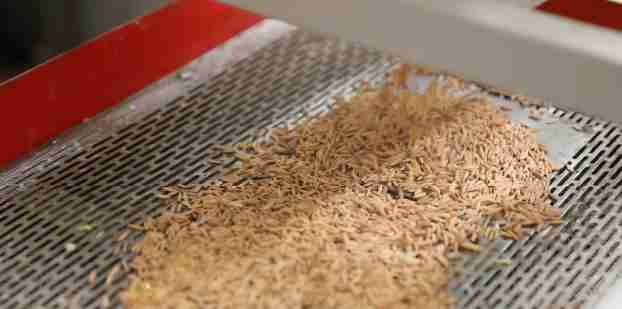
The Evolution of Rice Milling Technology and Its Impact on Production Efficiency
Over the decades, rice milling technology has undergone remarkable transformations, shifting from traditional methods to cutting-edge mechanization. Initially, the process involved manual labor and simple tools, which were time-consuming and labor-intensive. The introduction of motorized rice mills marked a significant leap, allowing for greater efficiency and consistency in grain processing. These advancements not only improved the speed of milling but also enhanced the quality of the rice produced, reducing losses due to high breakage rates. The modern rice mill utilizes sophisticated equipment, including paddy separators, destoners, and engaging the use of hulling machines, which collectively optimize each stage of the milling process.
The impact of these innovations on production efficiency is profound, as they allow for higher throughput and better resource utilization. For instance, contemporary milling plants can process up to several tons per hour, a stark contrast to the previous capacity limits of several hundred kilograms per day. This increase in productivity streamlines the supply chain, enabling farmers to reach markets more quickly and ensuring fresher products for consumers. Moreover, utilizing automated systems helps in minimizing human error and ensures a more uniform product, which is essential for maintaining market standards. the evolution of rice milling technology continues to shape the agricultural landscape, proving essential in meeting the growing global demand for rice.
| Technology Phase | Method | Production Capacity | Quality of Output |
|---|---|---|---|
| Traditional | Manual Labor | 0.5 tons/day | Variable |
| Motorized | Automated Hulling | 2 tons/hour | Improved |
| Modern | Fully Automated Systems | 10+ tons/hour | Consistent, High-Quality |

Enhancing Quality: How Modern Rice Mills Improve Grain Processing Standards
Modern rice mills play a crucial role in elevating grain processing standards, transforming raw rice into high-quality, market-ready products. With advancements such as automated milling systems, these facilities utilize cutting-edge technology to enhance efficiency and consistency throughout the processing chain. This modernization not only minimizes the chances of human error but also preserves the nutritional value of the rice. Key features of contemporary mills include:
- Precision milling that ensures uniformity in grain size
- Advanced cleaning systems for removing impurities
- Automated weighing and packaging processes to improve throughput
By integrating these technologies, rice mills have significantly increased their ability to meet stringent quality standards set by regulatory agencies and consumer expectations alike.
Furthermore, the focus on sustainability and environmental responsibility has grown, prompting mills to adopt energy-efficient practices. Implementing waste reduction initiatives help in managing byproducts effectively, enabling mills to contribute positively to the ecosystem. Notable improvements include:
- Recycling hulls and bran into animal feed or biofuel
- Employing solar energy to power operations
- Implementing water management techniques to reduce consumption
These enhancements not only lead to better quality rice but also align with global efforts for sustainable agriculture, ensuring that mills stay at the forefront of innovation in the rice industry. By continuously improving grain processing methods, modern rice mills are not only enhancing the standard of the product but also revolutionizing the entire agricultural landscape.
| Feature | Benefit |
|---|---|
| Automated Milling Systems | Increased efficiency and consistency |
| Advanced Cleaning Systems | Removal of impurities |
| Sustainability Practices | Reduced environmental impact |
Sustainability in Rice Milling: Embracing Eco-Friendly Practices for a Greener Future
In the journey towards a greener future, rice milling is taking significant strides by adopting sustainable practices that not only enhance productivity but also minimize environmental impact. By integrating eco-friendly technologies, rice mills are reimagining processes, prioritizing energy efficiency, and reducing waste. Modern milling techniques focus on utilizing resources responsibly, which includes:
- Renewable energy sources: Implementing solar panels and biogas systems to power operations.
- Water conservation: Using innovative milling methods to reduce water consumption, thereby protecting this precious resource.
- Waste recycling: Transforming by-products like rice husks into valuable resources such as biomass fuel and organic fertilizers.
Additionally, collaboration with local farmers plays a pivotal role in establishing a sustainable rice supply chain. By providing education on sustainable farming practices and investing in community initiatives, rice mills contribute to enhancing crop yields and improving farmer livelihoods. The benefits of this partnership are not confined to the agricultural sector alone; they extend into economic growth and environmental preservation. Key advantages include:
| Advantage | Description |
|---|---|
| Increased Yield | Farmers benefit from better practices leading to higher rice production. |
| Community Support | Investing in local initiatives fosters goodwill and strengthens community ties. |
| Environmental Impact | Reduced carbon footprint through sustainable practices enhances ecosystem health. |
Empowering Farmers: The Role of Rice Mills in Strengthening Local Economies and Communities
The local economy thrives when farmers are empowered, and rice mills play a crucial role in this transformative process. By providing essential services such as milling, sorting, and packaging, these facilities enhance the value of raw rice, creating competitive products ready for the market. This not only increases the farmers’ income but also fosters a sense of community as local businesses establish thriving relationships with the mills. Moreover, rice mills contribute by:
- Generating Employment: They create jobs for locals, from milling operators to administrative roles.
- Supporting Local Investments: The revenue generated can be reinvested in the community, enabling further development.
- Enhancing Agricultural Practices: Mills often offer training and resources that help farmers improve their planting and harvesting techniques.
Furthermore, the impact of rice mills extends beyond just economic benefits; they also help to strengthen community bonds. By facilitating direct connections between farmers and consumers, rice mills serve as a bridge, allowing local products to reach new markets. This fosters pride among farmers, as they see their hard work appreciated and consumed locally. The following table highlights some of the key contributions rice mills make to local communities:
| Contribution | Description |
|---|---|
| Community Engagement | Hosting local events and workshops to promote sustainable practices. |
| Market Access | Connecting farmers with broader markets and distribution channels. |
| Resource Sharing | Pooling resources for better equipment and technology utilization. |
Future Outlook
As we pull the curtains on our exploration of rice mills and their transformative influence on harvests, it becomes clear that these essential hubs of processing do more than merely convert grain to market-ready rice. They stand as the dynamic nexus between the farmer’s toil and the consumer’s table, playing an instrumental role in enhancing food security and optimizing agricultural output.
From the rhythmic hum of machinery to the careful calibration of technology, rice mills encapsulate a blend of tradition and innovation that respects the past while embracing the future. By streamlining production and minimizing waste, these facilities not only uplift local economies but also contribute to sustainable practices that echo a global call for responsible consumption and production.
In an era where the challenges of food scarcity loom large, the significance of rice mills only becomes more pronounced. Their capacity to transform imperfect harvests into viable resources reflects a commitment to quality and resilience in an ever-changing agricultural landscape. As we look ahead, it is imperative to recognize and support the evolution of these critical infrastructures, ensuring that they continue to thrive as the backbone of rice production and a cornerstone of our food systems.
In this dance of transformation—from field to fork—the story of rice mills invites us all to ponder our role within the intricate tapestry of agriculture, urging us to appreciate the miracles that unfold beyond the harvest, in the unseen hands that nurture every grain.




