
In the sprawling tapestry of agriculture, few threads are as vital as that of grains, the cornerstone of sustenance for billions around the globe. Among these, rice stands out not only as a dietary staple but as a cultural emblem woven into the fabric of societies. However, the journey from paddy field to plate is a complex one, intricately linked to the pivotal operations of rice mills. These unseen hubs of transformation are more than mere processing plants; they are the engines of efficiency that elevate raw grains into valuable resources. In an era where food security and sustainability are paramount concerns, understanding the role of rice mills in agriculture becomes increasingly essential. This article delves into the critical functions of rice mills, unveiling their significance in enhancing productivity, quality, and economic stability within the agricultural landscape. Join us as we explore how these facilities not only shape the grains we consume but also impact the livelihoods of countless farmers and the health of communities worldwide.
Understanding the Grain Journey from Field to Table
The journey of grains, particularly rice, begins in the lush green fields where farmers cultivate the crop with care and dedication. Once harvested, these grains are not yet ready for the consumer’s table. That’s where rice mills come into play, acting as the essential link that transforms raw rice into a product suitable for culinary use. The milling process removes the husk and bran, refining the grains and enhancing their nutritional value, flavor, and texture. This transformation is crucial for ensuring that the rice we consume is not only palatable but also safe and beneficial for our health.
At the rice mills, a series of processes take place that collectively contribute to the quality of the final product. The milling operations are typically organized into distinct phases:
- Cleaning: Impurities and foreign materials are removed.
- Hulling: The husk is separated from the grain.
- Polishing: The bran layer is removed, enhancing appearance.
- Grading: Rice is sorted based on size and quality.
- Packaging: The final product is packaged for distribution.
These meticulous stages not only maintain the grain’s quality but also support the economic framework of the agricultural sector. By offering a streamlined method of processing, rice mills enhance the efficiency of grain distribution, ensuring that nutritious food reaches consumers while also supporting the livelihoods of countless farmers.
Enhancing Quality and Efficiency: The Technical Innovations in Rice Milling
Advancements in rice milling technology have revolutionized agricultural production, maximizing output while minimizing resource consumption. Modern mills are equipped with state-of-the-art machinery that not only enhances the quality of the rice but also streamlines the entire milling process. Innovations such as automated sorting systems, which utilize sophisticated imaging technology, ensure that only the best grains make it to the final product. Additionally, improved husking and polishing techniques significantly reduce breakage and waste, contributing to a greater yield. As a result, millers are witnessing a shift from traditional methods to high-precision tools that enhance overall operational efficacy.
The integration of data analytics and IoT (Internet of Things) in rice milling is another notable innovation that is transforming the industry. By monitoring various operational parameters in real-time, mill operators can achieve precise control over the milling process. This connectivity allows for adjustments based on environmental factors, ensuring optimal performance. Furthermore, energy-efficient designs and sustainable practices are becoming increasingly prevalent, showcasing a commitment to environmental stewardship. As rice mills continue to adapt to these technical advancements, they not only bolster economic viability but also contribute to a more sustainable agricultural ecosystem.
Empowering Farmers: How Rice Mills Foster Agricultural Development
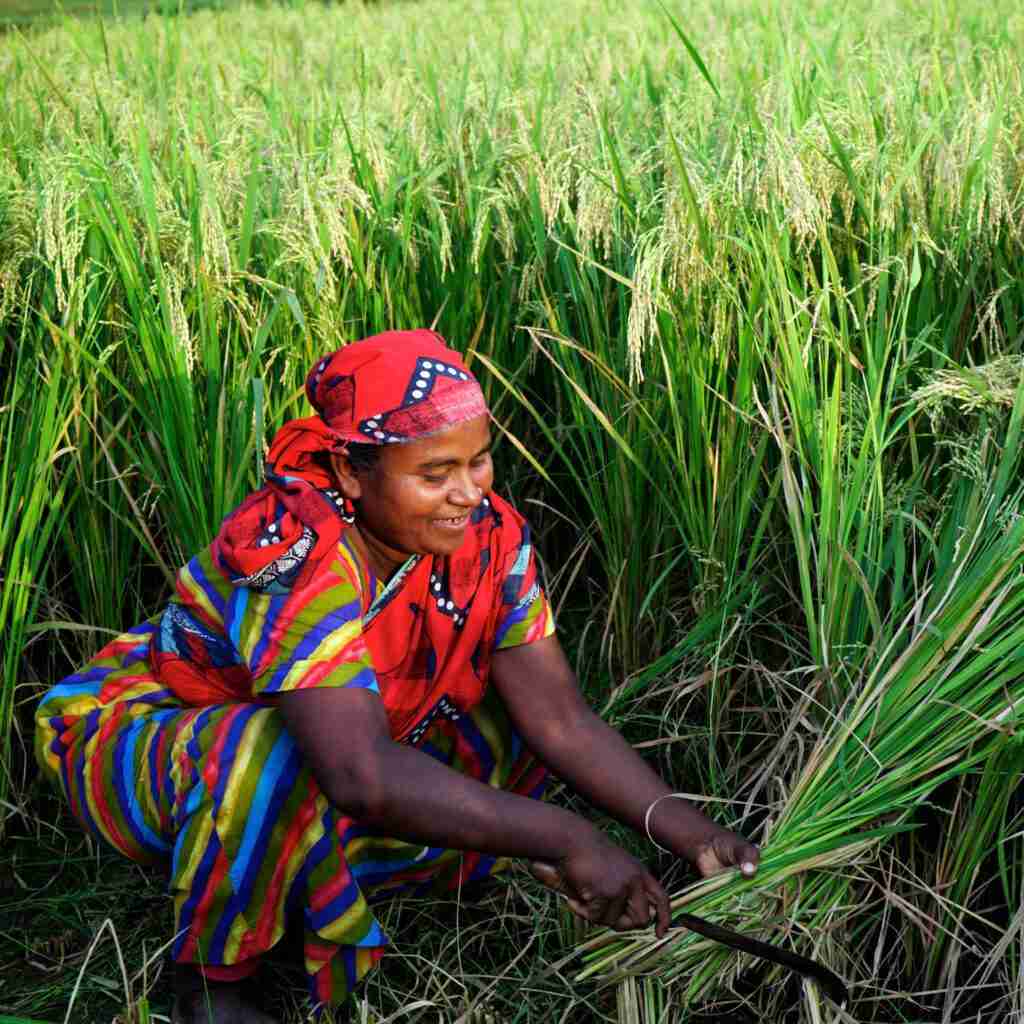
Rice mills play a pivotal role in supporting farmers and enhancing agricultural productivity, transforming raw grains into valuable commodities. By providing essential services such as processing, milling, and packaging, these facilities not only ensure that farmers receive fair market value for their produce but also equip them with modern technology to improve their outputs. In many regions, rice mills act as a crucial link between farmers and consumers, facilitating access to a broader market and minimizing post-harvest losses. This process empowers farmers economically while promoting sustainable agricultural practices by encouraging the use of quality seeds and inputs that increase yield and resilience to climate challenges.
The impact of rice mills extends beyond mere processing; they also serve as focal points for agricultural education and innovation. Many mills engage with local farmers through programs that emphasize agricultural best practices, including:
- Seed selection and soil management
- Integrated pest management
- Water conservation techniques
Leveraging these efforts fosters a sense of community and collaboration among farmers, which is vital for improving overall productivity. To visualize their contribution to local agronomy, consider this simple table showcasing key benefits offered by rice mills:
| Benefit | Description |
|---|---|
| Market Access | Links farmers to larger markets, increasing sales opportunities. |
| Education | Provides training on sustainable farming techniques and advancements. |
| Resource Sharing | Facilitates sharing of tools, equipment, and knowledge among local farmers. |
Through these initiatives, rice mills not only bolster the agricultural wealth of communities but also lead to a more resilient, food-secure future.
Sustainable Practices in Rice Milling: A Path Towards Eco-Friendly Agriculture
Rice milling, often seen as an industrial process, can play a pivotal role in promoting eco-friendly agricultural practices. With a focus on sustainability, modern rice mills are increasingly adopting clean technologies that minimize waste and reduce environmental impact. These mills are utilizing energy-efficient machinery that conserves power and promotes the use of renewable energy sources. For example, by integrating solar panels or biomass energy systems, they convert by-products like husk and straw into energy, thus reducing reliance on fossil fuels. Moreover, advanced milling techniques ensure higher extraction rates of whole grains, which not only enhances yield but also reduces the volume of waste produced during processing.
In addition to optimizing energy use, rice mills are embracing water-saving technologies that utilize closed-loop systems to recycle water. This practice significantly lowers water consumption needed for the milling process, which is crucial in water-scarce regions. Furthermore, many mills are implementing waste-to-value initiatives that convert organic waste into compost, thereby enriching soil health and promoting biodiversity. Here is a snapshot of sustainable practices being integrated into rice milling:
| Sustainable Practice | Description |
|---|---|
| Energy Efficiency | Use of energy-efficient machines and renewable energy sources. |
| Water Conservation | Closed-loop systems to recycle and reduce water usage. |
| Waste Management | Conversion of organic waste into compost for soil health. |
| Traceability | Incorporation of methods to track sustainability throughout the supply chain. |
To Wrap It Up
As we conclude our exploration of the transformative journey of grains, it becomes evident that rice mills are not merely machines, but vital cogs in the intricate machinery of agriculture. They stand at the intersection of tradition and innovation, echoing the age-old practices of farming while embracing the advancements that define modern agriculture. By efficiently processing rice, these mills not only enhance the quality of a staple food but also empower farmers, stimulate local economies, and contribute to food security.
In a world where sustainability and efficiency are paramount, the role of rice mills will only grow in importance, reflecting the ever-evolving needs of society and the environment. As we look to the future, it is essential to recognize and support these unsung heroes of agriculture – for in their grind lies the promise of nourishment and prosperity, both for our plates and for the planet.




