
In the heart of bustling markets and serene rural landscapes alike, grains have long stood as a cornerstone of sustenance and livelihood. Among these, rice holds a special place, nourishing billions and serving as a cultural staple across continents. Traditionally, the process of milling rice has been steeped in time-honored techniques, often requiring hours of labor and skill. However, as the world pivots towards automation and technological advancement, the rice milling industry is undergoing a transformative shift. Enter the automatic rice mills: a revolution in precision, efficiency, and scalability. This article explores the emergence of these cutting-edge machines, delving into their impact on production, the livelihoods of farmers, and the future of grain processing in an increasingly automated world. Join us as we uncover the myriad ways in which automatic rice mills are reshaping not just the grains we consume, but the very foundations of agricultural practices and food sustainability.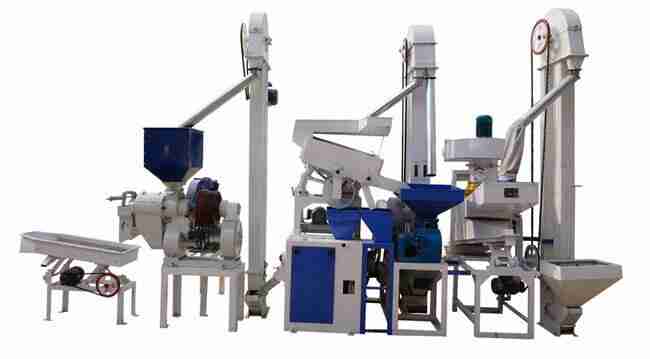
Exploring the Mechanisms Behind Automatic Rice Mills
Automatic rice mills represent a remarkable fusion of technology and traditional agriculture, revolutionizing the rice processing industry. These advanced systems streamline the transformation of paddy into polished rice through a variety of ingenious mechanisms. Central to this process is the hulling unit, which efficiently removes the husk using controlled friction. Following this, the milling unit employs precision rollers, reducing grain breakage while achieving a uniform end product. The integration of destoners and sifters ensures that extraneous materials are meticulously separated, resulting in high-quality output. Together, these components transform the rice milling process into a more sustainable, faster, and less labor-intensive operation.
The sophistication of automatic rice mills is further enhanced by their use of smart technology. Many modern mills now feature computerized systems that allow for real-time monitoring of machine performance and product quality, significantly reducing human error. Moreover, the implementation of energy-efficient motors not only lowers operational costs but also lessens the environmental impact. As demand for rice continues to grow globally, automatic rice mills are positioned to meet this need with remarkable efficiency. The ongoing evolution of these mill designs assures that they will remain at the forefront of agricultural innovation.

Enhancing Efficiency: The Technological Advancements in Grain Processing
The introduction of automatic rice mills has revolutionized grain processing, significantly improving productivity and streamlining operations. These advanced machines integrate cutting-edge technology, allowing for higher throughput and decreased labor costs. With features such as automated feeding, real-time monitoring, and energy-efficient systems, traditional methods are being replaced by efficient alternatives, making rice milling a more sustainable endeavor. The incorporation of smart sensors and IoT connectivity also facilitates predictive maintenance, ensuring optimal performance and reducing downtime. This shift not only boosts operational efficiency but also enhances the overall quality of the end product.
Moreover, automatic rice mills come equipped with advanced cleaning and sorting systems, which utilize optical sorting technology to ensure that only the finest grains are processed. These systems minimize the presence of impurities and ensure a consistent product quality. The following are key advantages of these modern milling systems:
- Reduced Processing Time: Accelerated production cycles lead to higher output.
- Improved Grain Quality: Precision sorting and cleaning result in superior rice quality.
- Lower Operational Costs: Automation decreases reliance on manual labor.
- Enhanced Workflow: Streamlined processes reduce bottlenecks in production.
| Feature | Description |
|---|---|
| Automated Feeding | Minimizes manual intervention and boosts processing speed. |
| Real-time Monitoring | Enables timely adjustments to optimize efficiency. |
| Energy Efficient | Reduces energy consumption while maintaining performance. |

Sustainability Matters: Environmental Benefits of Modern Rice Milling
The transition to automatic rice mills embodies a step toward a more sustainable agricultural paradigm. These modern facilities utilize sophisticated technology that optimizes energy consumption and reduces waste throughout the milling process. By enhancing efficiency, automatic rice mills help to minimize greenhouse gas emissions and conserve vital natural resources, making them a vital asset in the fight against climate change. Key aspects of their environmental benefits include:
- Reduced Water Usage: Advanced milling processes require significantly less water compared to traditional methods.
- Energy Efficiency: Automation leads to lower energy consumption per ton of rice processed, reducing dependence on fossil fuels.
- Waste Minimization: Nutritional by-products like rice bran can be repurposed, promoting a circular economy.
The integration of automated systems also promotes sustainable farming practices. By creating a more reliable output, farmers are encouraged to adopt quality over quantity, resulting in better land management and less over-cultivation. Furthermore, these mills often employ eco-friendly techniques to manage waste, fostering soil health and enhancing biodiversity. The following table outlines the comparative benefits of traditional versus automatic rice milling:
| Aspect | Traditional Milling | Automatic Milling |
|---|---|---|
| Water Consumption | High | Low |
| Energy Efficiency | Moderate | High |
| Waste Management | Poor | Effective |
Guiding the Future: Recommendations for Small-Scale Farmers on Embracing Automation
As small-scale farmers consider the benefits of incorporating automation into their operations, it’s crucial to approach this transition strategically. Investing in education is the first step; farmers should engage in workshops or training sessions focused on the usage of automatic rice mills and other related technologies. Understanding the functionality not only enhances their skills but also builds confidence in integrating new systems. Additionally, building a local network of peers who have successfully embraced automation can foster an environment of shared knowledge and support. Collaborating with fellow farmers can provide insights on best practices, potential pitfalls, and innovative solutions that have worked within similar conditions.
Moreover, farmers should evaluate their current production processes to identify areas that could benefit from automation. Conducting a cost-benefit analysis can help prioritize investments and allocate resources effectively. Here are some recommended focus areas:
- Harvesting Efficiency: Automating harvesting can save time and labor costs.
- Processing Speed: Comparing different automatic rice mills will help select one that meets production needs.
- Quality Control: Implementing automated systems for sorting and packaging can enhance product quality and marketability.
By establishing clear goals and understanding the available technology, farmers can not only enhance productivity but also ensure sustainability in their agricultural practices.
In Conclusion
As we draw the curtains on our exploration of automatic rice mills and their transformative impact on the grain industry, it’s clear that this technological evolution marks a pivotal shift in how we process one of the world’s staple foods. The rise of automatic rice mills not only heralds increased efficiency and productivity but also reflects a broader trend towards modernization in agriculture. By harnessing innovation, farmers and mill operators are better equipped to meet the demands of a growing population while reducing waste and enhancing quality.
This journey through the world of automated processing has shed light on the promising future that lies ahead—a future where creativity meets tradition, and where sustainability intertwines with development. As automatic rice mills continue to advance and reshape the landscape of grain processing, we are reminded that change is not just inevitable; it is essential. With each grain that passes through an automated mill, we are witnessing the dawn of a new era, one that honors the past while carefully crafting a more efficient and resilient agricultural future.




