
In the rhythmic pulse of rural landscapes, where earth meets sky, grains of potential lie nestled within golden fields. Among these, rice stands as a testament to centuries of cultivation, nourishment, and cultural significance. Yet, the journey from paddy to plate is an intricate metamorphosis, skillfully orchestrated by rice mills that serve as the unsung heroes of this transformative process. In “Transforming Grains: The Journey of Rice Mills Unveiled,” we invite you to delve into the fascinating world of rice milling—where traditional practices intertwine with modern technology to reshape not just grains, but communities and economies. Join us as we explore the mechanics of rice production, the artistry behind milling, and the profound impact these processes have on food systems across the globe. Discover how these humble facilities play a pivotal role in sustaining livelihoods and preserving culinary heritage, all while embracing the future of grain production.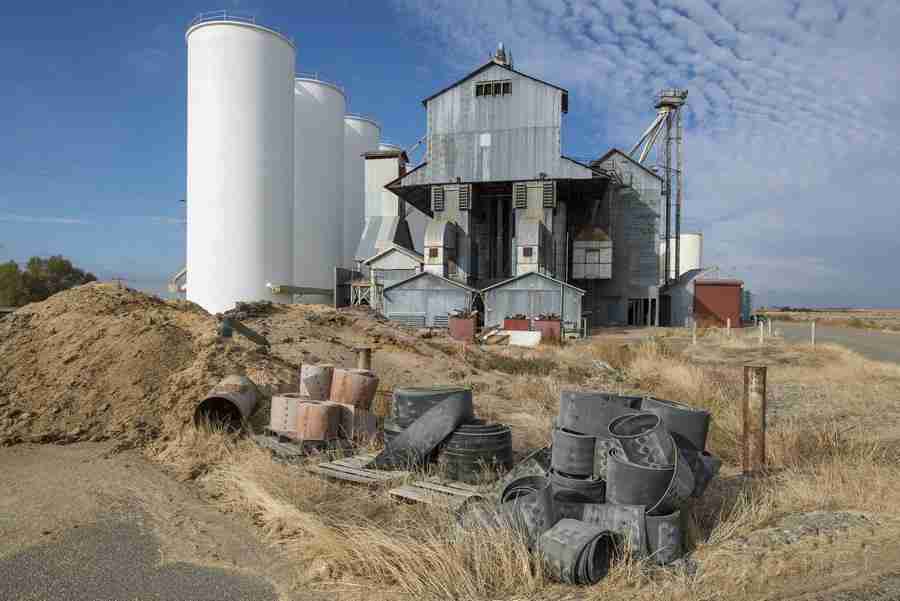
Understanding the Role of Rice Mills in Sustainable Agriculture
The integration of rice mills into sustainable agriculture practices plays a pivotal role in enhancing food security while caring for the environment. As hubs of grain transformation, these mills employ cutting-edge technology and eco-friendly practices that minimize waste and maximize efficiency. By utilizing by-products, they contribute to a circular economy that benefits both farmers and consumers. Key contributions of rice mills include:
- Processing efficiency: Advanced milling techniques reduce energy consumption and product loss.
- Waste utilization: By converting husks and bran into biofuels or animal feed, mills help in reducing environmental waste.
- Quality control: Employing stringent quality checks ensures that only the best grains reach consumers, promoting public health.
The movement towards sustainability is also reflected in the way rice mills engage with local communities, providing training and resources that empower farmers to adopt better farming practices. Collaborative initiatives often involve:
| Initiative | Description |
|---|---|
| Farmer Workshops | Educating farmers on efficient rice cultivation and sustainable practices. |
| Resource Sharing | Providing access to better seed varieties and milling technologies. |
Through these initiatives, rice mills not only optimize grain processing but also serve as facilitators of sustainable agricultural development, bridging the gap between technology and tradition.

Innovations in Milling Technology and Their Impact on Quality
Recent advancements in milling technology have revolutionized the processing of grains, leading to significant improvements in the quality of the final product. Modern milling machines now integrate precision engineering and automated systems that ensure consistent grain size and texture while minimizing waste. These innovations allow for greater control over the milling process, enabling manufacturers to tailor their products to meet specific market demands. The introduction of techniques such as cold milling helps retain more nutrients in the grains, enhancing not only their flavor but also their health benefits. Other technologies like laser sorting can identify and eliminate impurities, guaranteeing a higher standard of purity and safety for consumers.
Moreover, these technological advancements have a profound impact on the sustainability aspect of rice milling. By utilizing energy-efficient machinery and optimizing the supply chain, rice mills can reduce their carbon footprint while maintaining high production levels. The introduction of smart milling systems that utilize data analytics allows mills to monitor processes in real-time, address inefficiencies, and predict maintenance needs. This proactive approach not only extends the lifespan of machinery but also ensures a consistent quality output. Below is a comparison of traditional versus modern milling technologies:
| Aspect | Traditional Milling | Modern Milling |
|---|---|---|
| Efficiency | Lower yield with higher waste | Higher yield with minimized waste |
| Quality Control | Manual sorting | Automated systems with laser sorting |
| Nutrient Retention | Variable retention | Enhanced retention with cold milling |
| Sustainability | Higher energy consumption | Energy-efficient processes |

The Economic Benefits of Modernizing Rice Processing Facilities
Modernizing rice processing facilities can significantly enhance productivity and operational efficiency. By adopting advanced technologies such as automated milling systems, facilities can increase throughput while minimizing labor costs. This upgrade not only leads to higher quality rice production but also reduces wastage, making the overall process more sustainable. With modern machinery and techniques, rice mills can achieve greater precision in grain handling and processing, leading to higher yields and reduced post-harvest losses.
The implementation of these modern systems also stimulates local economies through job creation and improved market competitiveness. Local farmers benefit from the assurance of better prices for their harvests, while the milling operations gain access to a broader market due to improved processing capabilities. This symbiotic relationship encourages investment in agricultural technology, fostering innovations that contribute to long-term sustainability. Consider these key advantages:
- Higher Efficiency: Faster processing times result in increased output.
- Quality Improvement: Advanced milling techniques enhance the quality of the final product.
- Economic Growth: Boosted local employment opportunities through expanded operations.
- Environmental Impact: Reducing waste and optimizing resource usage promotes sustainability.
| Modernization Aspect | Traditional Approach |
|---|---|
| Processing Speed | Lower efficiency, longer processing times |
| Product Quality | Variable, often less refined |
| Waste Management | Higher, with less optimized processes |
| Labor Requirements | Higher workforce needs |
Empowering Farmers Through Partnerships and Community Engagement
In the heart of agricultural communities, the synergy between farmers and local partnerships is reshaping the landscape of rice milling. Engaging with cooperatives and agricultural organizations enables farmers to access crucial resources, share innovative practices, and collectively address challenges. These collaborations are fostering a sense of empowerment, allowing farmers to:
- Enhance productivity: Through shared knowledge and technology transfer.
- Increase market access: By pooling resources and creating stronger market presence.
- Improve sustainability: Implementing eco-friendly practices learned from partnerships.
Moreover, community engagement plays a vital role in enriching these connections. Initiatives that involve local stakeholders not only enhance the operational efficiency of rice mills but also strengthen social ties within the community. As farmers learn from each other’s experiences, they build resilience and adaptability in a rapidly changing agricultural environment. Key elements of this community-driven approach include:
| Element | Description |
|---|---|
| Workshops | Regular sessions to share best practices and innovations. |
| Networking Events | Opportunities for farmers to connect with industry experts and potential buyers. |
| Resource Sharing | Collaborative access to tools and technologies that enhance productivity. |
The Way Forward
As we conclude our exploration of the intricate world of rice mills and their transformative journey, it’s evident that the humble grain is much more than a staple of nutrition; it embodies a rich tapestry of culture, innovation, and sustainability. From the eager hands of farmers to the bustling machineries of modern processing facilities, each step in the journey of rice is a testament to human ingenuity and perseverance.
The rice mill, often overlooked in the vast supply chain, plays a pivotal role in converting raw harvests into the polished grains that grace our tables. This transformation not only fuels economies but also nourishes millions, serving as a reminder of the interconnectedness of our global community.
As we look towards the future, the continued evolution of rice milling technologies will undoubtedly shape not only agricultural practices but also the culinary landscapes of generations to come. We invite you to reflect on the journey of this essential grain and appreciate the hidden stories woven into each spoonful of rice. In understanding the transformation of grains, we gain a deeper connection to the food we cherish, celebrating the journey from field to feast.




