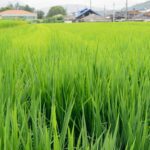
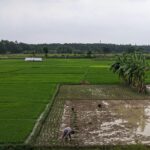
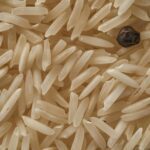
In the heart of agrarian landscapes, where the golden grains sway gently under the sun’s watchful gaze, a silent revolution is unfolding. The modern rice mill,once merely a functional grain processor,has evolved into a beacon of innovation,efficiency,and sustainability. This article embarks on a journey through the intricate processes and technological advancements that transform humble paddy into polished rice, ready for dining tables around the world. From the historical roots of milling practices to cutting-edge machinery that minimizes waste and maximizes quality,we will explore the multifaceted role of the rice mill in todayS agricultural ecosystem. Join us as we delve into the transformative journey of grains—where tradition meets modernity, and each kernel tells a story of progress.
Exploring the Technological Innovations Driving Modern Rice Milling
Advancements in technology have revolutionized rice milling, enhancing both efficiency and quality.Modern rice mills now incorporate automated systems that reduce labor costs while increasing throughput. the integration of smart sensors allows for precise monitoring of moisture levels and grain quality, ensuring optimal milling conditions and reducing waste. Moreover, cutting-edge machinery equipped with infrared and laser technology performs precise grading and sorting, ensuring a consistent product that meets consumer expectations.
Another remarkable innovation is the implementation of data analytics and IoT (Internet of Things) within the milling process. By collecting and analyzing data from various stages of production, mills can track performance metrics in real-time, leading to informed decision-making and predictive maintenance. Additionally, thes smart systems can optimize energy consumption, contributing to environmentally sustainable practices. The conversion from conventional methods to these high-tech solutions not only boosts productivity but also aligns with growing market demands for quality and sustainability in food production.
| Technology | Description | Benefits |
|---|---|---|
| automated Systems | Machines that operate with minimal human intervention. | Increased efficiency, reduced labor costs. |
| Smart Sensors | Devices that measure moisture and quality in real-time. | Optimal milling conditions, reduced waste. |
| Data Analytics | Analysis of production data for performance tracking. | Informed decision-making, predictive maintenance. |
| Energy Optimization | Systems designed to reduce energy consumption. | Cost savings, environmentally sustainable practices. |
Navigating Sustainability: Eco-Friendly Practices in Grain Processing
As modern rice mills strive to maintain efficiency while minimizing their environmental footprint,various eco-friendly practices have emerged as cornerstone strategies in grain processing. First and foremost, energy efficiency is a key consideration. Many mills are adopting renewable energy sources such as solar panels and biomass,which reduce reliance on fossil fuels. This transition not only decreases greenhouse gas emissions but also leads to notable cost savings in the long run. In tandem with renewable energy, water conservation techniques are being implemented, such as rainwater harvesting and advanced filtration systems, ensuring optimal water usage during processing.
Moreover, waste management has evolved into a critical component of sustainable grain processing. Modern facilities are exploring innovative ways to repurpose by-products. For instance, husks and bran can be transformed into valuable animal feed or biofuel, thereby extending the lifecycle of all material involved. The adoption of biodegradable packaging for rice products is also becoming increasingly prominent,catering to environmentally conscious consumers. By embracing these practices, grain processing facilities are not only transforming the agricultural landscape but are also contributing significantly to the preservation of natural resources for future generations.
| Eco-Friendly Practice | Description | Benefits |
|---|---|---|
| Renewable Energy Sources | Implementation of solar panels and biomass energy solutions. | Reduced emissions and lower operating costs. |
| Water Conservation | Use of rainwater harvesting and filtration systems. | Efficient water use and reduced waste. |
| Waste Repurposing | Transforming rice by-products into animal feed and biofuel. | Maximized resource utilization and minimized waste. |
| Biodegradable Packaging | Utilizing eco-friendly packaging materials for products. | Appeals to consumers and reduces plastic waste. |
The Importance of Quality Control: Ensuring Excellence from Field to Table
In the journey of transforming grains, maintaining high standards of quality control is not merely a regulatory necessity—it’s the lifeblood of consumer trust and product excellence. From the time grains are harvested until they arrive on our plates, meticulous attention to detail is essential. Modern rice mills employ a systematic approach to quality assurance, incorporating advanced technologies that monitor and refine each stage of production. This entails:
- Inspection of Raw materials: Grains are inspected for impurities, moisture content, and overall quality to ensure only the best make it into processing.
- Processing Techniques: Each stage—from milling to polishing—is conducted with precision, utilizing equipment that minimizes breakage and preserves the nutritional value.
- Continuous Testing: Regular sampling and testing at different stages help identify potential issues early, guaranteeing a high-quality end product.
Moreover, the modern rice mill’s quality control extends beyond the factory gates, embracing final products that reflect transparency and accountability. To illustrate the importance of these measures, consider the table below, which highlights key quality indicators that consumers shoudl look for in commercially sold rice:
| Quality Indicator | Description |
|---|---|
| Grain Type | Indicates the variety of rice, affecting taste and texture. |
| Moisture Content | optimal levels to prevent spoilage and ensure longevity. |
| Broken grain Percentage | A measure of milling efficiency that impacts consumer satisfaction. |
| Certification | Third-party validations that attest to quality standards and safety. |
By upholding these quality indicators, modern rice mills not only enhance their operational efficiency but also contribute significantly to the overall consumer experience.The commitment to quality control lays a strong foundation for thriving communities, supporting local farmers and ensuring that every grain served at the table is not just a meal, but a testament to the craftsmanship of rice milling.
Economic Impact: How Modern Rice mills Support Local Communities and Global Markets
Modern rice mills are not just centers of production; they are crucial catalysts for economic growth within local communities. By utilizing advanced technology and sustainable practices, these mills enhance the efficiency of rice processing, leading to a higher yield and better quality of produce. Local farmers benefit significantly as they gain access to efficient milling facilities, enabling them to sell their harvest at competitive prices. This increased revenue stream allows them to reinvest in their farms, leading to improved agricultural practices and elevated living standards.
Furthermore, the integration of modern rice mills into the supply chain bolsters local economies while also positioning them within global markets. By facilitating the export of high-quality rice, these mills open up new opportunities for farmers and entrepreneurs alike. The ripple effect can be observed through:
- Job creation in various sectors, including transport and retail.
- Boosted local investments through increased demand for ancillary services.
- Enhanced food security, as more efficient production meets the needs of evolving market trends.
To illustrate the economic benefits, consider the following table showcasing the impact of modern rice mills on local communities:
| Impact Area | Percentage Betterment |
|---|---|
| Farmer Income | 30% |
| Employment Opportunities | 45% |
| Local Investments | 25% |
Key Takeaways
As we conclude our exploration of the modern rice mill’s transformative journey, we are reminded of the intricate dance between tradition and technology. From the golden fields where grains are born to the bustling processing facilities that refine them, every step in this journey embodies a commitment to innovation and sustainability.
The modern rice mill is not just a machine; it is a hub of progress, where age-old practices meet contemporary efficiency, ensuring that the staple food of millions is produced with care and precision. As we look to the future, it is clear that these facilities will continue to evolve, embracing advancements that promote better quality, reduced waste, and a profound respect for the habitat.
In a world increasingly focused on sustainability and food security,the modern rice mill stands as a beacon of hope,reminding us that with every grain,there lies a possibility for transformation. As consumers, let us appreciate not only the nourishment that rice provides but also the complex journey it undertakes before reaching our plates. The story of rice is one of resilience, innovation, and a shared commitment to bettering our food systems for generations to come.