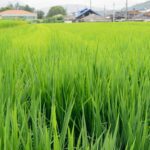
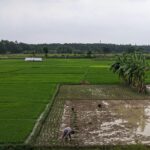
in the heart of bustling rural landscapes and the midst of urban intricacies, rice mills stand as silent sentinels of an age-old tradition. These venerable establishments, once simply tasked with hulling and milling the grains that sustain millions, have undergone a remarkable transformation. No longer confined to their customary roles, rice mills have evolved into complex ecosystems of innovation and sustainability, adapting to the pressures of globalization and technological advancement. As we delve into the intricate journey of these mills, we uncover how they are reshaping the grain industry — not only streamlining production processes and enhancing flavor profiles but also addressing pressing issues such as food security and environmental sustainability. Join us as we explore the multifaceted evolution of rice mills, highlighting their pivotal role in modern agriculture and the future of our food systems.
Evolving Technologies in Rice Milling Operations
In recent years, rice milling operations have become increasingly complex, integrating advanced technologies that boost efficiency and product quality. Automation plays a critical role, with smart milling machines equipped with sensors that monitor grain quality and moisture levels in real-time. These innovations not only optimize milling processes but also reduce waste, ensuring that every grain is utilized to its fullest potential. Other technologies, such as artificial intelligence (AI) and machine learning, are being employed to analyze milling performance and predict maintenance needs, enhancing reliability and minimizing downtime.
Further transforming the landscape of rice milling is the adoption of sustainable practices enabled by green technologies. Many mills are investing in renewable energy sources, such as solar panels and biogas systems, to power operations, which substantially lowers their carbon footprint.Advances in water recycling systems also contribute to more sustainable practices, allowing mills to reuse water during processing.Consequently, these environmentally conscious strategies are not only beneficial for the planet but also appeal to an increasingly eco-aware consumer base.
| Technology | Benefits |
|---|---|
| Automation | Increases efficiency, reduces labor cost |
| AI & Machine Learning | Predictive maintenance, optimal performance |
| Green Technologies | Reduces carbon footprint, promotes sustainability |
| Water Recycling Systems | Conserves resources, lowers operational costs |
Sustainable Practices for Modern Rice Mills
In recent years, rice mills have taken notable steps towards integrating sustainable practices into their operations, thereby minimizing their environmental footprint. by adopting resource-efficient technologies, these mills are able to enhance their productivity while conserving vital resources. Some of the notable practices include:
- Energy Recovery systems: Implementing systems that recycle heat generated during processing to power other operations.
- Water Conservation Techniques: using advanced irrigation methods and water recycling processes to reduce water wastage.
- Waste Management Programs: Converting by-products and agricultural waste into biofuel or organic fertilizers.
- Eco-Pleasant Packaging: Utilizing biodegradable and recyclable materials for packaging the finished products.
Additionally, these rice mills are focusing on community engagement and transparency by fostering partnerships with local farmers and stakeholders. This collaboration not only promotes sustainable farming practices but also enhances the supply chain’s resilience. Key initiatives include:
| Initiative | Description |
|---|---|
| Farmer Education Programs | Providing training on sustainable farming techniques to enhance crop yields. |
| Local Sourcing Policies | Encouraging the purchase of rice and grains from nearby farmers to reduce transportation emissions. |
| Cooperative Models | Supporting farmers in forming cooperatives to access resources and markets more efficiently. |
The Economic Impact of rice Mills on Local Communities
Rice mills play a pivotal role in reinforcing the economic fabric of local communities. By transforming raw grains into finished products, they create a sustainable source of income for farmers and workers alike. The ripple effects of these operations can be seen in various dimensions:
- Job Creation: Rice mills generate employment opportunities not only within the mills but also in related sectors such as transportation and retail.
- Support for Farmers: They provide consistent pricing and a reliable market for local farmers, reducing the risks associated with crop failures.
- Improvement of Local Infrastructures: As mills thrive,they frequently enough lead to enhancements in local infrastructure,such as roads and power supply,benefiting the entire community.
Moreover, the economic impact extends beyond immediate financial benefits. Local rice mills foster a sense of community resilience through knowledge sharing and skills growth. Educational initiatives and training workshops frequently enough emerge from the mills, promoting sustainable agricultural practices and efficient processing techniques. This symbiotic relationship can be further illustrated through the following table:
| Aspect | Impact |
|---|---|
| income Generation | Increased household incomes for farmers and workers. |
| Community Development | Enhanced local services such as schools and healthcare. |
| Market Accessibility | Improved access to national and regional markets for local produce. |
Future Trends in Rice Processing and Global Markets
The landscape of rice processing is undergoing a significant transformation, driven by technological advancements and increasing global demand. As rice mills evolve, they are integrating smart technologies that optimize production efficiency and enhance product quality. Automated sorting systems, powered by artificial intelligence, are being implemented to ensure that only the best grains make it to market. Additionally, the rise of sustainability practices is pushing rice processors to adopt eco-friendly methods, reducing waste while meeting consumer preferences for organic and minimally processed food. These trends are shaping a future where innovation not only improves operational efficiency but also addresses critical environmental challenges.
In tandem,global markets are experiencing shifts influenced by changing consumption patterns and economic variables. As countries pivot towards healthier eating habits, the demand for specialty rice products—such as organic, jasmine, and basmati varieties—is surging. This shift is prompting rice mills to diversify their product offerings and explore international partnerships to access new markets. Moreover, emerging economies are becoming key players in the rice trade, prompting established grain producers to adapt their strategies. the focus is shifting from merely processing rice to creating a value chain that maximizes profitability while catering to the evolving preferences of consumers worldwide.
Wrapping Up
As we draw the curtains on our exploration of the evolving landscape of rice mills, it’s clear that these humble establishments are anything but static. They embody a remarkable transformation, marrying tradition with innovation to meet the demands of a changing world. In an era where sustainability and efficiency are paramount, rice mills are not merely processing facilities; they are dynamic players in the global food system, poised to address challenges of quality, supply, and environmental stewardship.
The journey from paddy to polished grain is a testament to human ingenuity and resilience. As we look to the future, the rice mill industry stands at a crossroads, armed with technology and fresh perspectives that promise to redefine its role in agriculture. Whether through enhanced processing techniques or the embrace of sustainable practices, rice mills are setting new standards that will resonate far beyond the boundaries of their operations.
As we continue to navigate the complexities of food production and consumption, the story of rice mills serves as a powerful reminder: transformation is not just about adapting to change; it’s about leading the way toward a more sustainable and equitable future for all. In every grain processed, there lies the potential for innovation and progress, making each rice mill not only a cornerstone of local economies but also a beacon of hope for the global community.