
In the heart of bustling villages and expansive fields, the modest grain—once merely a staple of sustenance—takes on a new life, evolving into gourmet delicacies that tantalize the taste buds and elevate culinary experiences. Welcome to the world of auto rice mills, where tradition meets innovation, and the transformation of grain to gourmet is not just an aspiration but a thriving reality.As advancements in technology seamlessly integrate with age-old practices,these automated systems are revolutionizing the rice milling process,enhancing efficiency,and ensuring superior quality. this article explores the remarkable journey of rice from husk to plate, delving into the critical role auto rice mills play in reshaping our food landscape and how they are empowering farmers, enriching local economies, and satisfying the growing demand for premium grains. Join us as we uncover the intricate tapestry of modern rice production, where every grain tells a story of innovation and prospect.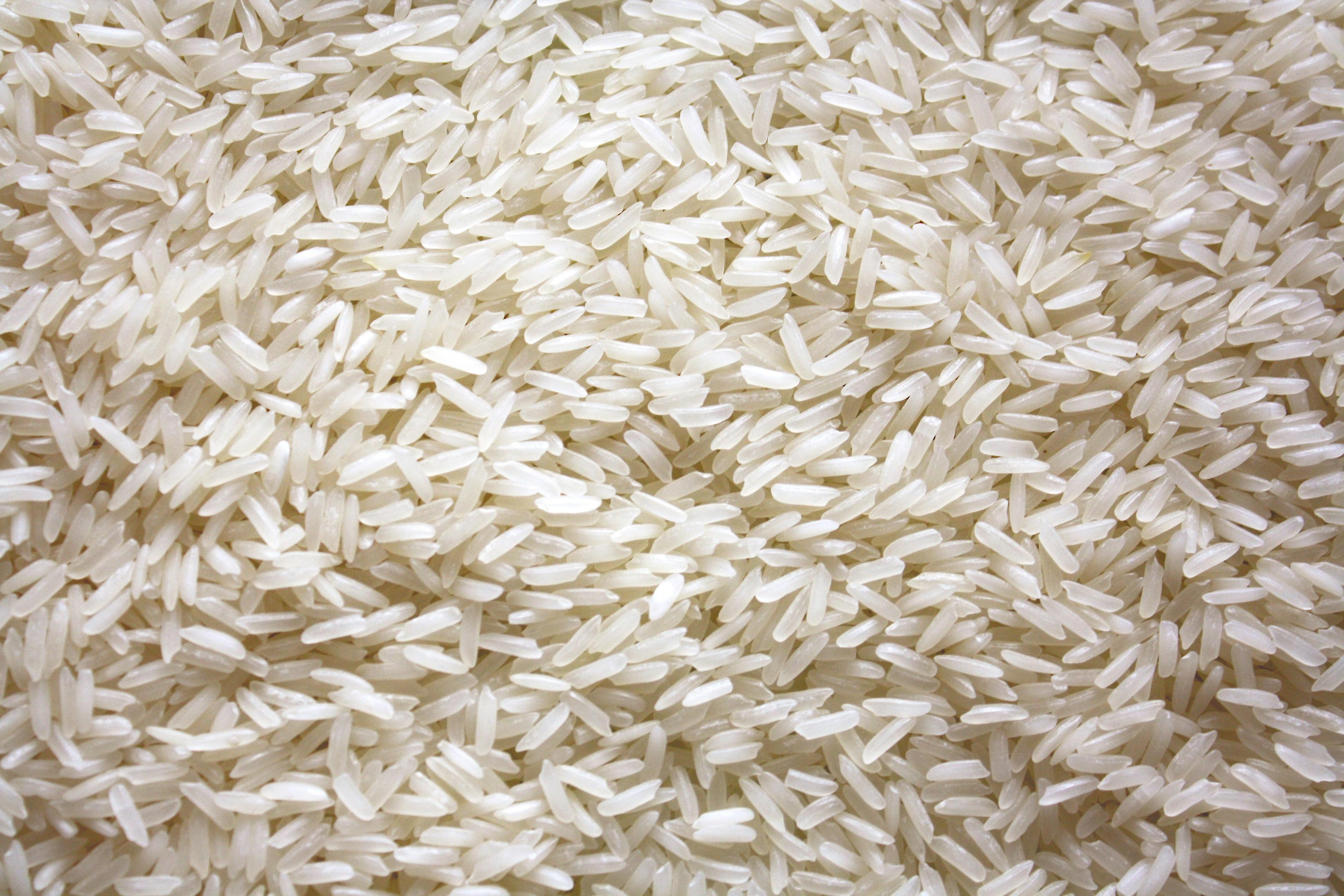
The Evolution of Rice Milling Technologies and Their Culinary Impact
The journey of rice from paddies to plate has undergone a remarkable transformation, especially with the advent of automated rice milling technologies. The transition from manual methods to refined machinery has not only streamlined the milling process but also elevated the final product in terms of quality and nutritional value. Customary stone mills, known for their slower, labor-intensive processes, have largely given way to modern auto rice mills designed to enhance efficiency, minimize waste, and produce higher-quality rice. This shift has greatly impacted culinary traditions, allowing chefs and home cooks alike to enjoy finer textures and flavors in their rice dishes, ultimately inspiring a new generation of culinary creativity.
Moreover, the influence of advanced milling techniques extends beyond just the grain. Auto rice mills incorporate innovative features such as precise temperature controls and better separation of bran,producing rice that is not only visually appealing but retains its essential nutrients. This technological evolution has also given rise to a diverse array of rice varieties being sought after in various cuisines, thus enriching the dining experience globally. Chefs now have access to a myriad of options, ranging from fragrant jasmine to nutty brown rice, each adding a unique character to dishes. Some notable impacts include:
- Improved Flavour Profiles: Enhanced milling processes preserve the integrity of the grain.
- Nutritional Retention: Modern techniques allow for better preservation of vitamins and minerals.
- Texture Variety: Precise milling results in rice with diverse textures suitable for different culinary applications.
- Global Accessibility: Automatic processing reduces costs, making various rice types accessible to a broader audience.
| Rice Type | Culinary Use | Key Feature |
|---|---|---|
| Jasmine | Thai Dishes | Fragrant and slightly sticky |
| Basmati | Indian Cuisine | Long grain, nutty flavor |
| Brown rice | Health-focused Meals | Whole grain, high fiber |
| Arborio | Risotto | Short, starchy grain |
Unlocking Efficiency: The Benefits of Automated Rice Mills for Producers
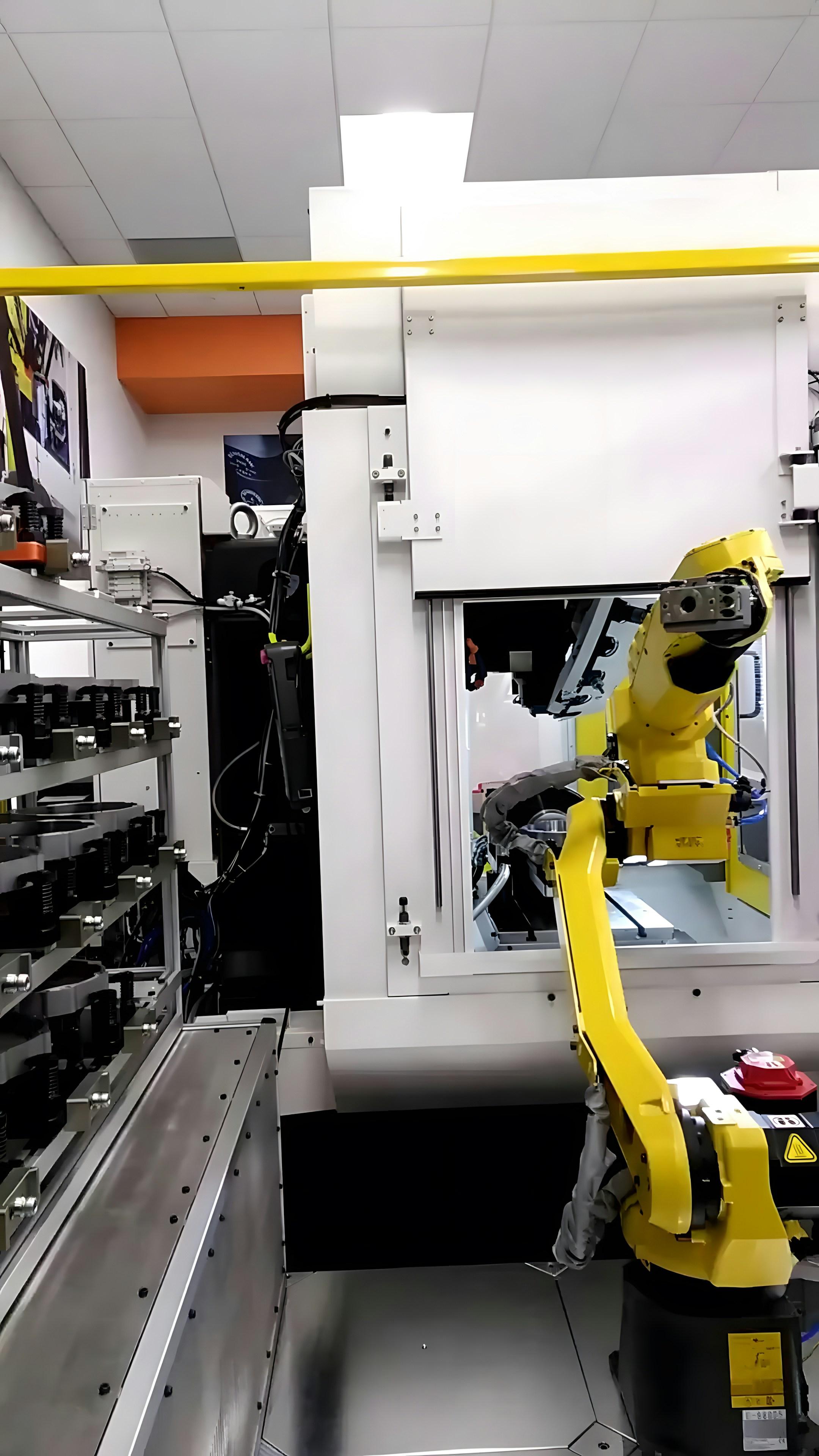
In a world where time is money, automated rice mills offer meaningful advantages to rice producers looking to enhance productivity and minimize labor costs. Automated rice milling systems streamline the entire processing chain, from paddy separation to packaging, resulting in a more efficient workflow. These systems utilize advanced technology, such as sensors and automated conveyors, which reduces human intervention and minimizes the risk of errors. As a result, producers can expect a sharper increase in output and overall quality, leading to enhanced market competitiveness. Benefits include:
- Reduced Labor Costs: less reliance on manual labor translates to lower wages and training expenses.
- Consistent Quality: precision in milling machines ensures uniform grain size and texture.
- scalability: Automated systems can be easily expanded to match growing production demands.
- energy Efficiency: Modern technology frequently enough uses less power than traditional methods, cutting down operational costs.
Furthermore,the adoption of automated rice mills promotes sustainability in agricultural practices. By minimizing waste and optimizing the use of raw materials, producers can operate more environmentally responsibly. With features like water recycling systems and dust collection methods, these mills not only enhance operational efficiency but also contribute to conservation efforts. This holistic approach to production can be summarized in the following table:
| feature | Traditional Mills | Automated Mills |
|---|---|---|
| Labor Intensity | High | Low |
| Energy Usage | Higher | Lower |
| Waste Production | Significant | Minimal |
| Processing Speed | time-consuming | Rapid |
From Local Grains to Gourmet Delicacies: Enhancing Quality Through Innovation
In the heart of rural landscapes, a transformation is quietly brewing, where the humble grain meets culinary innovation. Auto rice mills are at the forefront of this revolution, optimizing grain processing while preserving the integrity and nutritional value of local produce. With the ability to produce high-quality rice efficiently,these mills empower farmers and small-scale producers to break into the gourmet market. By leveraging technology, they ensure that every grain is milled to perfection, embracing a methodical approach that enhances flavor and texture.
The impact of these advancements is multifaceted, enhancing not just the quality of rice but also expanding its reach in the culinary world. Chefs are now exploring an array of gourmet rice-based dishes,thanks to the consistent quality offered by auto rice mills. Consumers appreciate the spectrum of flavors available, leading to newfound trends in dining. Some key benefits include:
- increased Efficiency: Innovative milling techniques reduce processing time, making fresh, high-quality rice available to consumers faster than ever.
- Nutritional Preservation: Advanced machinery retains essential nutrients, catering to health-conscious buyers.
- Varietal Diversity: Small-scale farmers can experiment with niche varieties, bringing unique flavors and characteristics to the market.
To further illustrate the transformation, the table below highlights some popular varieties produced in modern auto rice mills and their unique culinary applications:
| Rice Variety | Flavor Profile | Culinary Use |
|---|---|---|
| Basmati | Fragrant and nutty | Pilafs and Biryani |
| Jasmine | Floral and slightly sweet | Thai Curries and Fried Rice |
| Arborio | Creamy and starchy | Risotto and Pudding |
Sustainable Practices in Auto Rice Milling: A Pathway to Eco-Friendly Gourmet options
In the quest for excellence in rice production, auto rice mills are incorporating sustainable practices that not only enhance their operational efficiency but also contribute positively to the environment. By embracing renewable energy sources, mills are reducing their carbon footprint through investments in solar panels and biomass energy systems. These innovations enable the milling process to run greener, allowing rice producers to reduce reliance on fossil fuels. Additionally, many mills now prioritize the use of local, organic inputs, fostering a robust community of sustainable agriculture that enhances the quality of the grain.
Moreover, responsible water management techniques are a cornerstone of eco-friendly milling practices. The adoption of closed-loop water recycling systems minimizes waste by treating and reusing water throughout the milling process. Alongside this, integrated waste management systems convert by-products such as husks and bran into animal feed or biofuel, promoting a circular economy in rice production. Through these initiatives, auto rice mills are not only elevating the standard of gourmet rice options available in the market but are also paving the way for a sustainable future in food production.
| Sustainable Practise | Benefit |
|---|---|
| Renewable Energy Use | Reduces Carbon Footprint |
| Local Sourcing of Ingredients | Supports Local economy |
| Water Recycling Systems | Minimizes Water Waste |
| waste Valorization | Creates Sustainable by-products |
In Conclusion
In a world where culinary experiences are constantly evolving, the integration of technology into traditional practices is paving the way for a new era in food production. the rise of auto rice mills is not just a transformation of processes; it symbolizes a broader movement towards efficiency, quality, and sustainability in the grain industry. As we embrace these innovations, we find ourselves at the intersection of tradition and modernity, where the humble grain is elevated to gourmet perfection.
As we conclude our exploration of this interesting journey from grain to gourmet, it is crucial to recognize that the future of food is not solely about technology but also about the stories, cultures, and communities that it nourishes. The auto rice mill stands as a beacon of progress, promising to deliver not just rice, but a deeper connection to our heritage and an opportunity for a richer culinary landscape. As we continue to witness the unfolding narratives within this sector, let us celebrate the harmony between innovation and tradition—after all, every grain tells a tale waiting to be told.




