Transforming Grain to Gold: The Journey of Rice Mills
In the heart of bustling agricultural landscapes,were fields sway in rhythmic elegance under the golden sun,lies an intricate world of transformation that turns humble grains into a staple of sustenance.Rice mills,often unsung heroes of the food production process,play a pivotal role in this metamorphosis,carefully refining harvested rice into the polished grains that grace our tables. This article embarks on a journey through the evolution of rice milling, exploring the technological advancements, traditional practices, and economic impacts that shape an industry essential to millions around the globe. As we delve into the nuanced processes and the stories of those wielding the machinery of modern agriculture, we uncover not only the significance of rice mills but also their profound connection to culture, commerce, and the very fabric of daily life. Join us in discovering how these facilities transform not just grain, but the lives of countless individuals, turning a simple seed into a culinary cornerstone with cultural resonance far beyond its nutritional value.

Elevating Quality: Innovations in Rice Milling Technology
In the dynamic landscape of rice milling, innovation plays a pivotal role in enhancing both the efficiency and quality of the final product. Technological advancements have given rise to a variety of solutions designed not only to streamline operations but also to ensure superior rice quality. From precision sorting technologies that eliminate impurities to automated milling systems that optimize processing speed, these innovations are transforming the way rice is milled. The integration of AI and machine learning in quality control significantly reduces the margin for error, enabling millers to maintain consistent standards that meet global demand.
Moreover, the push for sustainability has fostered the exploration of eco-friendly practices within rice milling. Modern facilities now embrace energy-efficient machines that consume less power while achieving higher yield rates. Additionally, innovative waste management systems are being implemented to convert by-products into useful resources, thereby minimizing environmental impact. As mills adopt practices like water recycling and biomass utilization, the industry moves closer to a future where quality is enhanced without compromising ecological responsibility. This harmonious blend of tradition and technology is paving the way for rice mills to not only meet but surpass industry expectations.
Sustainable Practices: Balancing Productivity with Environmental Responsibility
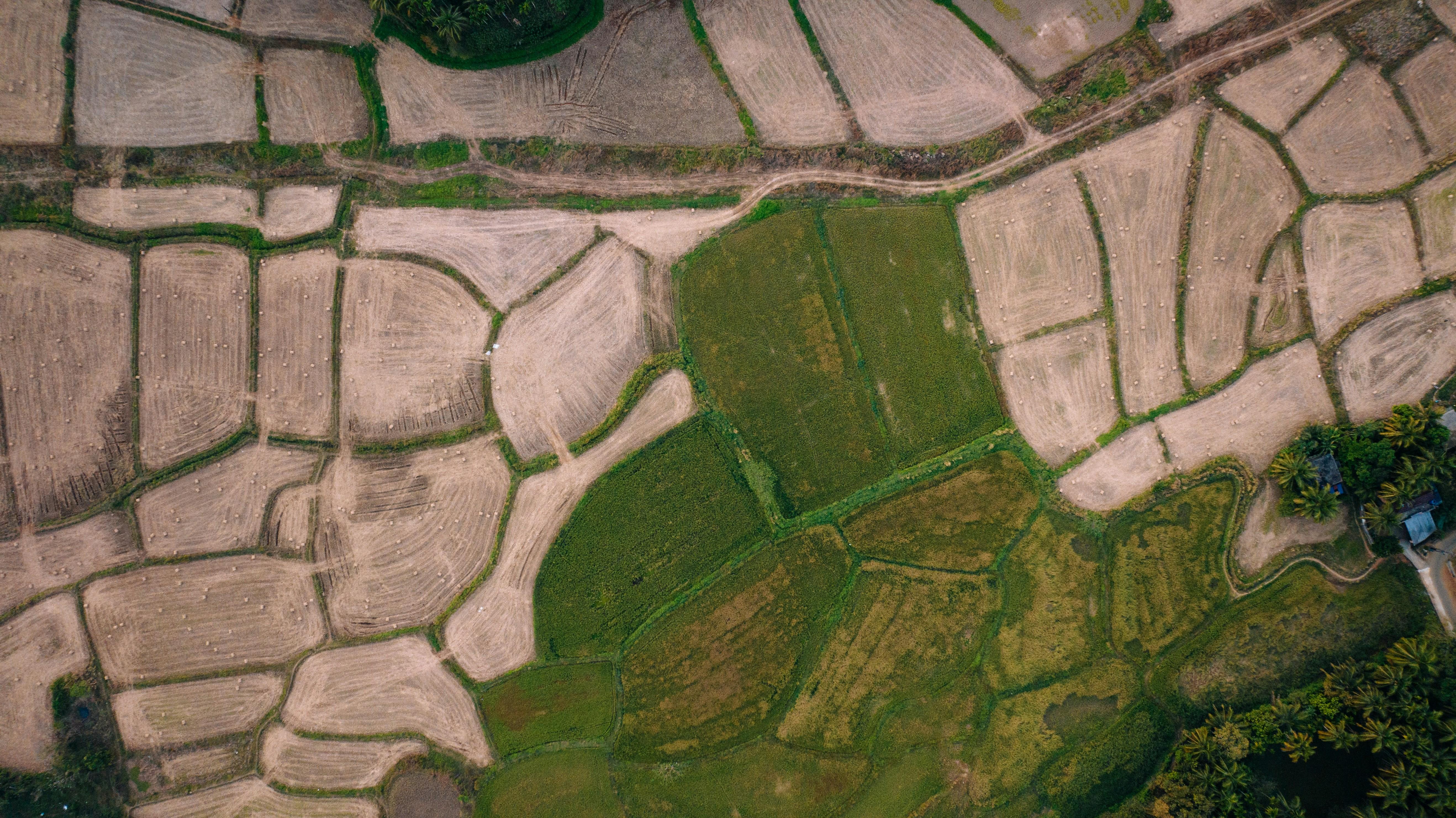
In the grain processing industry,the transition to sustainable practices is not just a trend but a necessity. As rice mills strive to maximize productivity while remaining environmentally conscious, they are adopting innovative methods that benefit both their operations and the planet. By integrating renewable energy sources, such as solar and wind power, these facilities can significantly reduce their carbon footprint. Moreover, implementing water recycling systems can minimize wastage, transforming what was once discarded into a valuable resource. Through these initiatives, rice mills are crafting a model for ecological stewardship while catering to the rising demand for responsible production.
moreover, the adoption of eco-friendly technologies, such as energy-efficient machinery and biodegradable packaging, plays a crucial role in enhancing sustainability.Many rice mills are now investing in smart agriculture technologies that yield higher crop outputs with lower environmental impacts. This includes precision farming techniques that utilize data analytics for optimal planting and harvesting times. The commitment to sustainability transcends operational efficiency; it cultivates a culture of environmental respect among workers and consumers alike. Here’s a glimpse of some sustainable practices across various rice mills:
| Practice | Description |
|---|---|
| Renewable Energy | Utilizing solar panels to power mill operations. |
| Water Recycling | Reusing water in the milling process to reduce waste. |
| Energy-Efficient Machinery | Investing in modern equipment that consumes less energy. |
| Biodegradable Packaging | switching to packaging that decomposes naturally. |
market Trends: Adapting to Consumer Preferences in the Rice Industry
The rice industry is undergoing significant transformation as producers respond to evolving consumer preferences and heightened awareness of sustainability. Modern consumers are increasingly drawn to products that not only satisfy their dietary needs but also align with their values. Health-conscious options, like organic and whole grain rice varieties, are gaining traction, while there is a surge in demand for specialty rice types, such as Jasmine and basmati, revered for their unique flavors and culinary versatility. Rice mills are now focusing on innovative processing techniques that preserve nutritional value while appealing to this demographic shift. The following trends are influencing production strategies:
- Health and Wellness: Rise in demand for fortified rice and functional food products.
- Sustainability Practices: Adoption of eco-friendly farming and processing methods.
- Convenience Foods: Introduction of pre-cooked and ready-to-eat rice products.
- Global Flavors: Expansion of ethnic and flavored rice lines to cater to diverse palates.
to remain competitive in this shifting landscape, rice mills are strategically enhancing their operations and supply chains. adopting technology such as precision farming and advanced milling techniques allows for improved efficiency and reduced waste,ultimately contributing to better quality products. Moreover, many rice producers are embracing transparency and traceability, ensuring consumers know the journey of their food from farm to table.Below is a comparison of top-value rice varieties and their respective market trends:
| Rice Variety | Market Trend | Target Consumer |
|---|---|---|
| jasmine | Ethnic Cuisine | Food Enthusiasts |
| Basmati | Premium Quality | Health-Conscious Consumers |
| Brown rice | Health and Wellness | Fitness Focused Individuals |
| Arborio | Convenience | Busy Professionals |
Community Impact: Empowering Local Economies Through Rice Milling
In the heart of rural landscapes, rice mills serve as transformative hubs, invigorating local economies and uplifting communities. By processing raw grains into consumable products, these establishments create job opportunities that empower families and foster growth in surrounding areas.Beyond mere employment, rice mills often promote entrepreneurship, allowing local farmers to participate in value-added production. This direct involvement not only enhances income for farmers but also strengthens the agricultural supply chain, encouraging sustainable practices and better resource management.
Moreover, the ripple effect of thriving rice mills extends well beyond immediate economic benefits. These facilities contribute to food security by ensuring a consistent supply of processed rice, which is a staple in many diets worldwide. as they invest in modern technology, they also attract ancillary businesses that support the milling process, leading to a diverse ecosystem of local suppliers and service providers. Here’s a snapshot of the key benefits:
| Benefit | Description |
|---|---|
| Job Creation | Provides employment for skilled and unskilled labor. |
| Income Generation | Increases farmers’ earnings through direct selling. |
| Food Security | ensures stable availability of rice for local communities. |
| community Development | Fosters local infrastructure growth and resilience. |
Closing Remarks
As we conclude our exploration of the transformative journey from grain to gold within the world of rice mills, it’s clear that this process encompasses far more than mere production. It intertwines tradition, innovation, and economic vitality, showcasing the profound impact of rice milling on communities and beyond. Each grain that passes through these mills represents not just sustenance, but a wealth of possibilities, from improving livelihoods to fueling industry.
In this dynamic landscape, rice mills stand as a testament to human ingenuity and adaptability. They are not just machines but vital cogs in a larger narrative of agricultural resilience and growth. as we look ahead,the future of rice milling is poised for further evolution,driven by advances in technology,sustainable practices,and a heightened gratitude for the role of food security in our global community.
So, as we reflect on the journey of rice from field to bowl, let us acknowledge the unseen alchemy that transforms this humble grain into a cornerstone of culinary tradition and economic prosperity. In doing so, we honor not only the labor invested in each harvest but also the promise that lies ahead in the continued journey of rice mills. Whether as a staple on our plates or as an engine of local economies, rice remains a golden thread woven through the fabric of our shared existence.