
In the heart of agricultural landscapes where golden fields stretch towards the horizon, a transformative process quietly unfolds, reshaping the humble grain into a staple that feeds millions. “Transforming Grain: The Journey Through a Modern Rice Mill” invites readers to delve into the intricate world of rice milling, where cutting-edge technology meets time-honored traditions. This captivating exploration reveals the journey that each grain embarks upon, starting from the farmer’s hands to the sleek machinery of a modern mill. As we peel back the layers of this complex transformation, we will uncover the artistry involved in milling, the science that safeguards quality, and the vital role these processes play in our global food system. Join us as we trace the path of rice—from field to fork—illuminating the unseen journey that sustains and nourishes communities worldwide.
Exploring the Anatomy of a Modern Rice Mill
At the heart of every modern rice mill lies a symphony of machines and technology working in harmony to transform paddy into polished rice. The milling process begins with paddy intake, where freshly harvested grains are received, inspected, and stored in silos, ensuring their quality and readiness for processing. Once in the system, the paddy undergoes cleaning, which involves removing impurities such as husks, stones, and dust to prepare it for further milling. This is typically achieved through a combination of vibrating screens, air classifiers, and gravity separators that meticulously sort the grains. Following cleaning, the rice enters the dehusking stage, where the outer husk is removed using rubber roll huskers that gently cushion the rice, preventing damage to the kernels.
Once the dehusking is complete, the rice moves on to milling, where the goal is to remove the bran layer while preserving the kernel’s integrity. This stage involves the use of modern milling equipment, including whitener machines and polishers, designed to achieve maximum yield and minimise breakage. The results are monitored through sophisticated sensors that provide real-time feedback on the quality of the milled rice. To illustrate the various stages of milling, the following table summarizes the key processes and their functions:
| Process | Description |
|---|---|
| Paddy Intake | Receiving and storing freshly harvested grains. |
| Cleaning | Removing impurities like stones and husks. |
| Dehusking | Removing the outer husk without damaging grains. |
| Milling | Removing bran to yield polished rice. |
After milling, the process is not yet complete. The rice is subjected to a grading phase where it is sorted into different quality classes based on size and appearance. This meticulous attention to detail ensures that consumers receive rice of consistent quality suitable for various culinary uses. Furthermore, the final product may undergo packaging, where automated systems fill bags efficiently, ensuring that the grains are preserved and ready for distribution. As we delve deeper into the workings of modern rice mills, it becomes evident that technology plays a pivotal role, enhancing efficiency while delivering high-quality rice to markets across the globe.

From Field to Fork: Understanding the Milling Process
The transformation of rice from its raw form to a consumable product involves a delicate and intricate procedure within a modern rice mill. Once harvested, rice undergoes a comprehensive journey beginning with cleaning. Here, the grain is meticulously sorted to remove impurities such as stones, dust, and other foreign materials. The cleaning stage is essential, as even the tiniest contaminant can compromise the quality of the final product.
Following the cleaning, the rice is subjected to hulling, a process that separates the outer hull from the grain. This stage is pivotal, as it transitions the rough, unprocessed grain into its more recognizable form. The next steps include milling and polishing, where the rice is polished to enhance its appearance and texture for market readiness. Each stage of the process employs advanced technology, ensuring that the grains are uniformly processed, thus retaining essential nutrients and flavor. Below is a visual representation of the key milling processes:
| Process | Description |
|---|---|
| Cleaning | Removal of impurities from harvested rice. |
| Hulling | Separation of the rice grain from its outer shell. |
| Milling | Processing to achieve the desired grain consistency. |
| Polishing | Enhancing the shine and texture of the final product. |
Innovative Technologies Revolutionizing Rice Processing
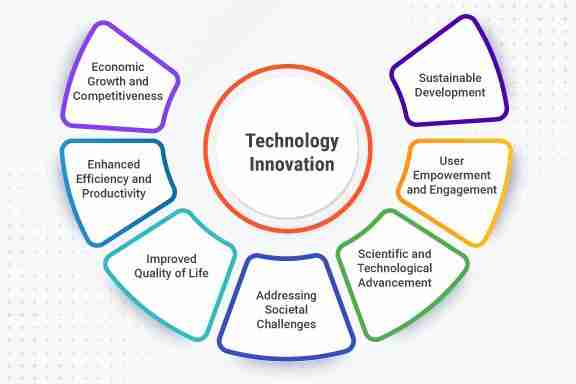
The rice processing industry has witnessed a remarkable transformation thanks to cutting-edge technologies that boost efficiency and elevate product quality. Automated milling systems, equipped with advanced sensors and smart algorithms, streamline the entire rice processing workflow. By optimizing each stage from husking to polishing, these systems ensure minimal waste and enhanced yield. Artificial Intelligence plays a significant role, predicting optimal processing parameters by analyzing data in real-time, thus adjusting machine operations to meet varying rice qualities. This intelligent automation not only reduces labor costs but also minimizes the risk of human error, leading to consistently superior outcomes.
Furthermore, sustainable innovations are at the forefront of modern rice processing. Innovations like energy-efficient dryers and eco-friendly parboiling techniques are reducing carbon footprints while maintaining rice quality. The integration of biomass technology allows mills to convert agricultural waste into energy, significantly lowering operational costs. In addition, smart packaging solutions employ biodegradable materials that enhance shelf life while addressing environmental concerns. With such technologies revolutionizing rice processing, the industry is poised not only for increased productivity but also for greater sustainability, setting a new standard for grain processing worldwide.
Sustainable Practices in Grain Transformation
In the quest for environmental sustainability, modern rice mills are embracing innovative practices that minimize waste and utilize resources efficiently. One of the primary approaches is the implementation of energy-efficient machinery that reduces consumption while maintaining optimal output. Mills are increasingly investing in technologies that harness renewable energy sources, such as solar and wind, further decreasing their carbon footprint. Additionally, water recycling systems are being adopted to ensure minimal usage throughout the milling process, promoting a more sustainable interaction with local ecosystems.
Furthermore, sustainable sourcing of raw materials plays a pivotal role in the transformation process. By partnering with local farmers who employ sustainable agricultural practices, mills can ensure that the grains they process have lower environmental impacts. This collaborative approach not only supports community livelihoods but also enhances food quality. To illustrate the differences between conventional and sustainable methods, the following table highlights key aspects:
| Aspect | Conventional Methods | Sustainable Methods |
|---|---|---|
| Energy Source | Fossil fuels | Renewable energy |
| Water Usage | High consumption | Recycled and conserved |
| Farmer Partnerships | Disconnected | Local & sustainable |
| Waste Management | Landfill disposal | Composting & repurposing |
Wrapping Up
As we conclude our exploration of the modern rice mill, the journey from swaying fields of golden grains to the polished, packaged product on supermarket shelves becomes vividly clear. Each stage of this transformation is a testament to human ingenuity and the intricate connection we share with agriculture. The hum of machinery blends seamlessly with the age-old traditions of rice cultivation, showcasing a harmony between innovation and heritage.
In this mill, every grain tells a story—of farmers’ labor, technological advancements, and the relentless pursuit of quality. It’s a reminder of the complexities involved in bringing food to our tables, one that often goes unnoticed amidst our fast-paced lives. As we reflect on the intricate processes that define modern milling, let us not forget the dedicated hands that cultivate and process our food, bridging the gap between earth and nourishment.
Our journey through the mill highlights not just the mechanics of rice processing but also the significance of sustainable practices and ethical sourcing in our global food system. As consumers, we hold the power to support these initiatives and foster a more conscious approach to our dietary choices. The next time you enjoy a bowl of rice, remember the intricate path it traversed—from plant to plate—and appreciate the passions and technologies driving this essential staple into the future.




