
In the heart of agricultural landscapes, where golden fields sway gently under the sun’s embrace, lies an intricate realm that breathes life into the humble grain. Rice mills, often overlooked yet essential, serve as the silent architects of transformation, turning pristine paddy into the lifeblood of cuisine across cultures. These industrious establishments are not merely machines but rather a symphony of art and function, where the age-old practices of milling meet modern technology and innovation. As we delve into the world of rice mills, we uncover the profound artistry involved in this vital process, exploring the intricate techniques, historical significance, and the vital role they play in feeding communities around the globe. Join us on a journey through this fascinating intersection of tradition and modernity, where every grain tells a story and every mill holds the promise of nourishment.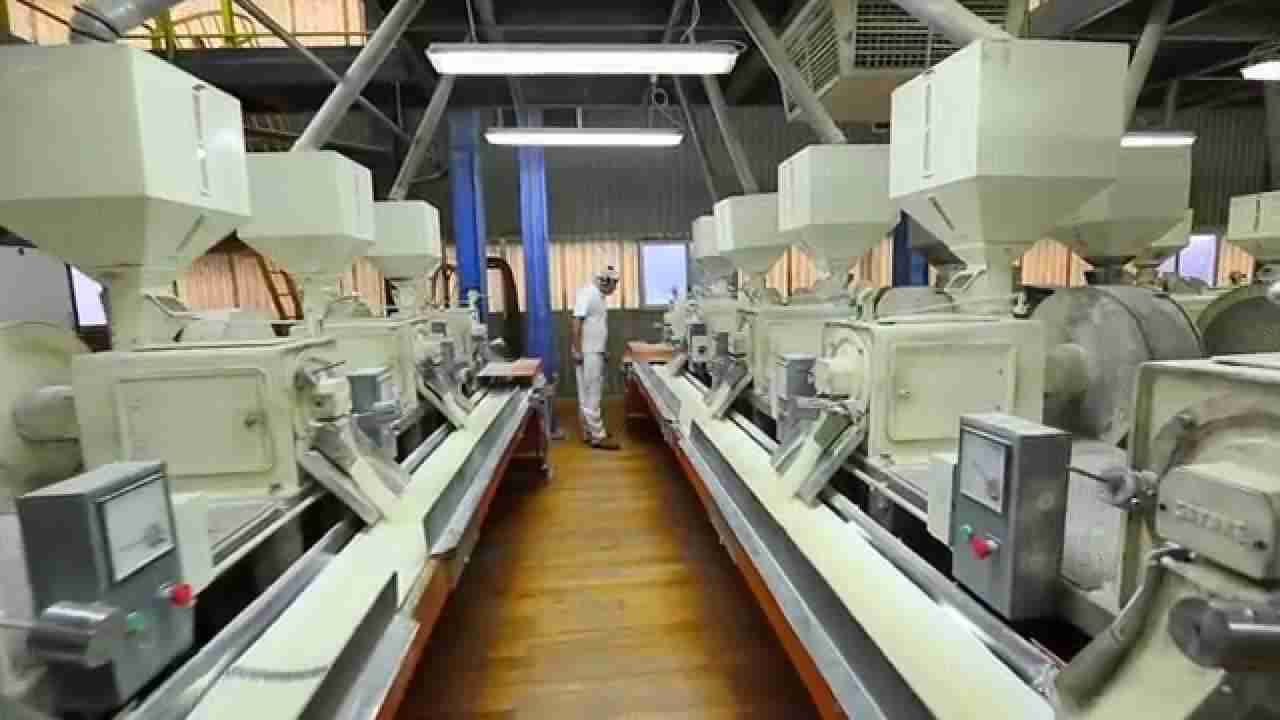
Exploring the Journey from Field to Table in Rice Milling
From the lush fields where rice plants sway gently in the breeze to the bustling mills that transform these grains into the staple that adorns tables worldwide, each step in the journey is a testament to the intricate relationship between agriculture and technology. Farmers, armed with traditional knowledge and modern techniques, carefully cultivate their fields, nurturing the plants from seedlings to ripe grain. Once harvested, the rice must undergo rigorous milling, which is both an art and a science, ensuring that it is cleaned, hulled, and polished, ready for consumption. This fascinating transformation requires precision machinery, expert operators, and a commitment to quality, all aligned to turn raw grains into a culinary delight.
The milling process can be broken down into several key stages, each vital in preserving the integrity and flavor of the rice:
- Cleaning: Removing impurities to ensure only the best grains proceed.
- Hulling: Separating the outer husk from the grain, an essential step in producing brown rice.
- Milling: Polishing and refining the rice to achieve the desired texture and appearance.
- Grading: Sorting the rice based on size and quality, ensuring consistency for consumers.
Below is a brief overview of the rice milling stages and their respective functions:
| Process Stage | Description |
|---|---|
| Cleaning | Eliminates stones, dirt, and dust. |
| Hulling | Removes the protective outer layer. |
| Milling | Polishes the rice, enhancing its sheen. |
| Grading | Classifies rice into various quality grades. |

The Essential Machinery Behind Efficient Grain Processing
The realm of grain processing is intricate, and at its core lies a variety of machinery that works seamlessly to transform raw grains into valuable food products. The foundational elements of modern rice mills include huskers, destoners, and polishers, each serving a specific purpose to ensure that the final product meets quality standards. Huskers remove the outer husk of rice grains, while destoners eliminate any unwanted impurities, such as stones or dirt. Polishers refine the rice, enhancing its appearance and texture. These machines work in concert to create a product that’s not just consumable but also aesthetically appealing.
Furthermore, the operational efficiency of these machines can greatly influence the overall effectiveness of grain processing. Key factors such as energy consumption, process speed, and maintenance needs must be optimized. Below is a brief overview of the machinery performance indicators that define operational success in rice mills:
| Machinery Type | Performance Indicator | Optimal Value |
|---|---|---|
| Huskers | Separation Efficiency | 95%+ |
| Destoners | Impurity Removal Rate | 98%+ |
| Polishers | Grain Appearance Score | 80+ (out of 100) |
Additionally, advances in technology have led to automation and AI integration, which streamline operations and reduce the labor intensity traditionally associated with grain processing. By employing sensors and smart controls, operators can monitor system performance in real-time, ensuring quick responses to any anomalies. This not only enhances the efficiency and sustainability of rice mills but also promotes significant cost savings. In a world where food security and quality are paramount, investing in the right machinery becomes essential for transforming grain processing into an art form.

Cultural Significance and Culinary Benefits of Quality Milled Rice
The transformation of raw grain into milled rice is not solely a mechanical process; it encapsulates a rich tapestry of tradition and ethics that spans cultures. In many Asian societies, rice is more than a staple food; it is infused with profound cultural significance. Festivals celebrating the harvest season often feature rituals centered around rice, signifying prosperity and abundance. High-quality milled rice, often sought after for its taste and texture, plays a pivotal role in culinary traditions. From sticky rice served during family reunions to jasmine rice complementing aromatic curries, the choice of rice reflects regional identities and personal histories. Milled rice thus becomes a culinary canvas for showcasing indigenous flavors while simultaneously fostering communal bonds.
Beyond its cultural resonance, the culinary benefits of quality milled rice are manifold. When milled to perfection, rice retains essential nutrients while achieving an optimal balance between flavor and texture. Key benefits include:
- Enhanced Flavor: Quality milled rice can dramatically elevate the taste of dishes, providing a satisfying base for various cuisines.
- Versatility: Different varieties of milled rice can adapt to an array of cooking methods, whether steaming, boiling, or stir-frying.
- Nutritional Value: Many high-grade milled rice varieties preserve vital nutrients such as vitamins and minerals, contributing to a balanced diet.
Utilizing a comparative table to highlight rice varieties showcases their culinary traits:
| Type of Rice | Texture | Ideal Dishes |
|---|---|---|
| Jasmine | Fluffy and fragrant | Curry, Stir-fry |
| Arborio | Creamy | Risotto |
| Sushi | Sticky | Sushi, Onigiri |
In essence, quality milled rice serves as a bridge between the past and present, anchoring culinary practices while inspiring innovations. By celebrating the heritage and multifaceted use of rice, communities can further appreciate this humble grain’s role in both daily sustenance and festive occasions.
Sustainable Practices for Modern Rice Mills in a Changing World
In the quest for a sustainable future, modern rice mills are reimagining their operational frameworks to minimize environmental impact while maximizing efficiency. By adopting a blend of traditional methods and modern technology, these mills not only enhance their productivity but also contribute positively to the ecosystem. Key sustainable practices include:
- Energy Efficiency: Implementing renewable energy sources such as solar panels and wind turbines to power operations.
- Water Conservation: Utilizing advanced water recycling systems to reduce consumption and pollution.
- Waste Management: Converting rice husks into biomass energy or compost, thereby decreasing landfill waste.
- Eco-Friendly Packaging: Transitioning to biodegradable packaging materials that are less harmful to the environment.
Moreover, the integration of technology aids in tracking environmental performance. Modern rice mills can utilize digital platforms and IoT devices to monitor resource usage in real-time, paving the way for more informed decisions. The impact of these upgrades is palpable with improved crop yields and healthier ecosystems around rice-producing regions. A comparative look at the benefits of sustainable vs. traditional practices could highlight:
| Sustainable Practices | Traditional Practices |
|---|---|
| Reduced carbon footprint | High energy consumption |
| Optimal resource usage | Resource wastage |
| Enhanced soil health | Neglected soil quality |
| Community engagement | Isolation from local communities |
The Conclusion
As we conclude our exploration of rice mills, we find ourselves at the intersection of tradition and innovation, where the humble grain undergoes a beautiful transformation. These mills, often seen merely as utilitarian structures, are crucial to the journey that rice makes from paddies to plates, blending the artistry of craftsmanship with the rigor of engineering.
In the rhythmic sounds of machinery and the delicate balance of age-old techniques with modern technology, we bear witness to a legacy that nourishes communities and sustains cultures. This intricate process not only preserves the essence of rice but also highlights the significance of mindful consumption and sustainable practices in our ever-evolving food landscape.
As we step away from the world of rice milling, let us carry with us a deeper appreciation for the grains that grace our tables. Each bite embodies a story of transformation and connection—a reminder of the intricate dance between nature and human ingenuity. In every grain of rice lies the artistry of those who mill it, a reflection of both their skill and the revered history it represents.




